Greg Lukianoff: Cancel Culture, Deplatforming, Censorship & Free Speech
Core Takeaways
Cancel culture has led to over 1,000 attempts to punish professors, with two-thirds resulting in some form of punishment since 2014.
Why it matters
This trend surpasses the Red Scare, indicating a significant shift in academic freedom and speech tolerance.
The Stop WOKE Act was deemed unconstitutional, highlighting the tension between state control and academic freedom.
▶ 1:23:45
Why it matters
This ruling underscores the importance of judicial checks on legislative overreach in educational content.
Michigan Technological University ranks highest for free speech, while Harvard ranks lowest, reflecting varying campus climates.
▶ 2:34:56
Why it matters
These rankings expose the challenges universities face in balancing free speech with institutional policies.
Cancel culture is criticized as a lazy rhetorical tactic that avoids genuine debate and understanding.
Why it matters
Such tactics hinder intellectual growth and can exacerbate polarization in public discourse.
Censorship can lead to greater radicalization, as seen with Twitter users moving to Gab.
▶ 3:45:12
Why it matters
Censorship's unintended consequences can destabilize societal norms and foster extremism.
Ask this episode Deep
A preview of how Deep chat answers, grounded in this episode with citations and timestamps:
Cite this episode
For papers, blog posts, anywhere.
Related episodes
Where to go next from this conversation.
More on these ideas
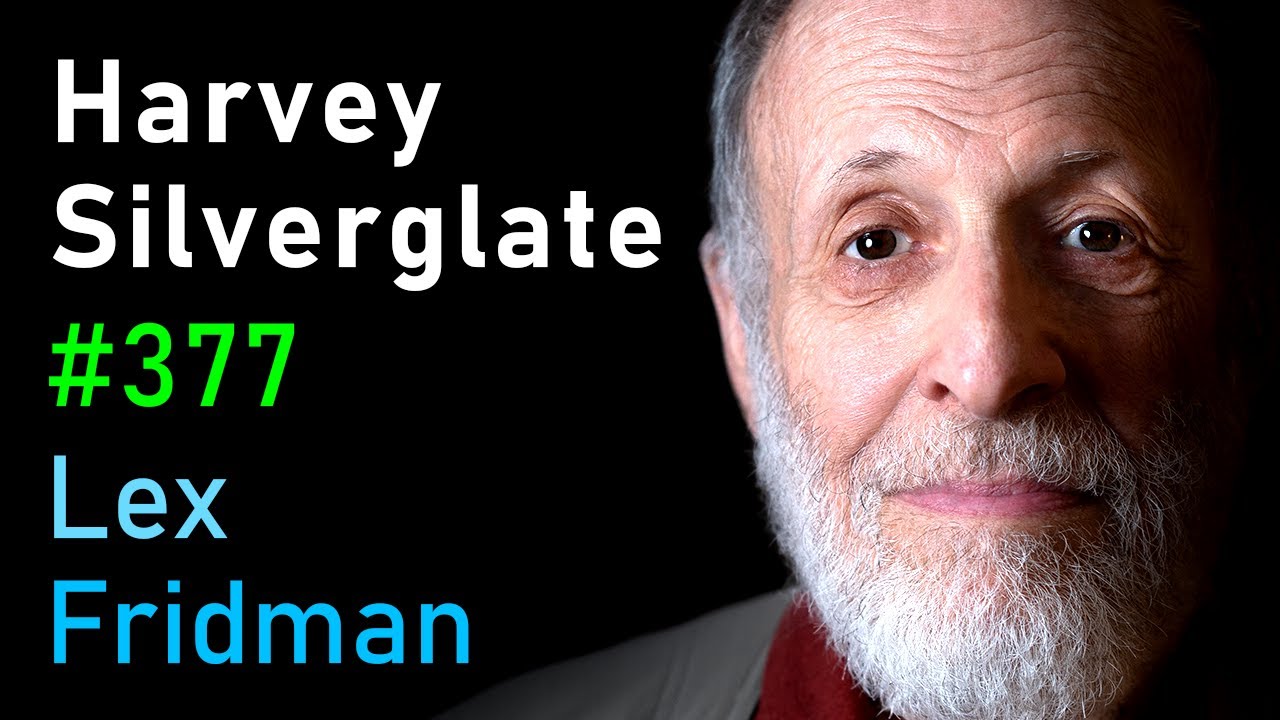 Harvey Silverglate: Freedom of Speech
Shares free speech, academic freedom
1h 51m
Harvey Silverglate: Freedom of Speech
Shares free speech, academic freedom
1h 51m
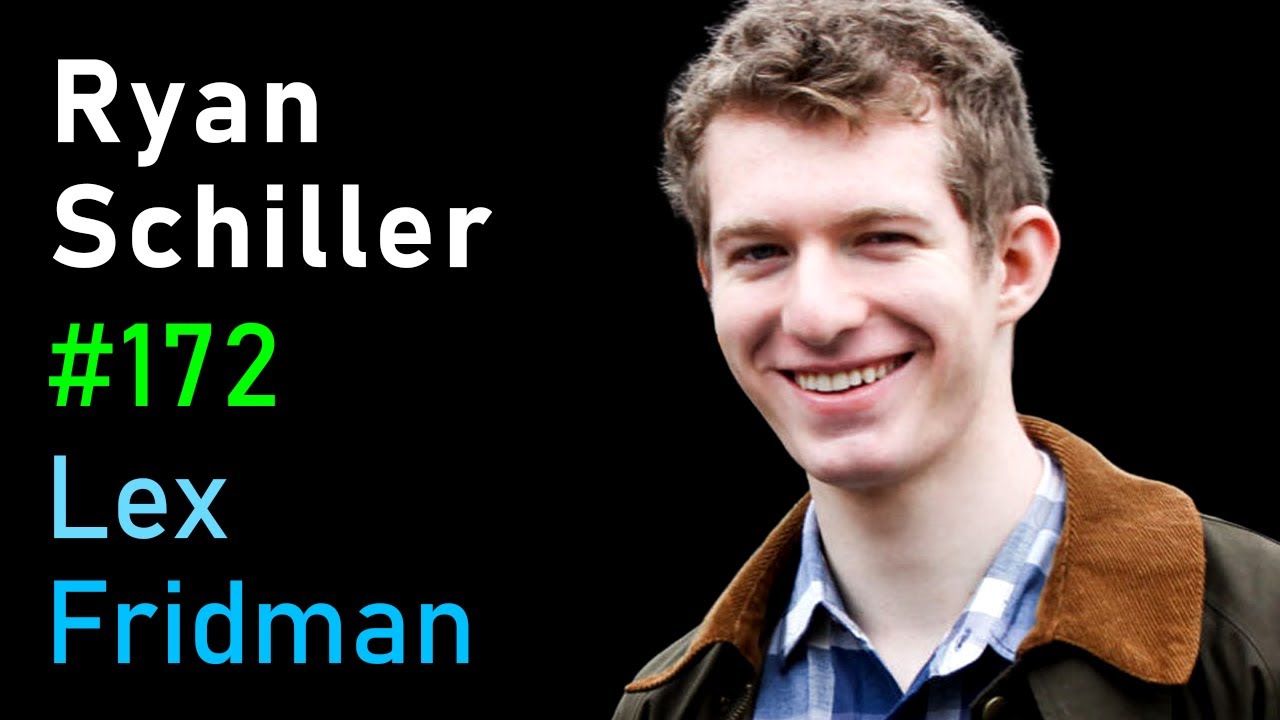 Ryan Schiller: Librex and the Free Exchange of Ideas on College Campuses
Shares free speech, academic freedom
2h 26m
Ryan Schiller: Librex and the Free Exchange of Ideas on College Campuses
Shares free speech, academic freedom
2h 26m
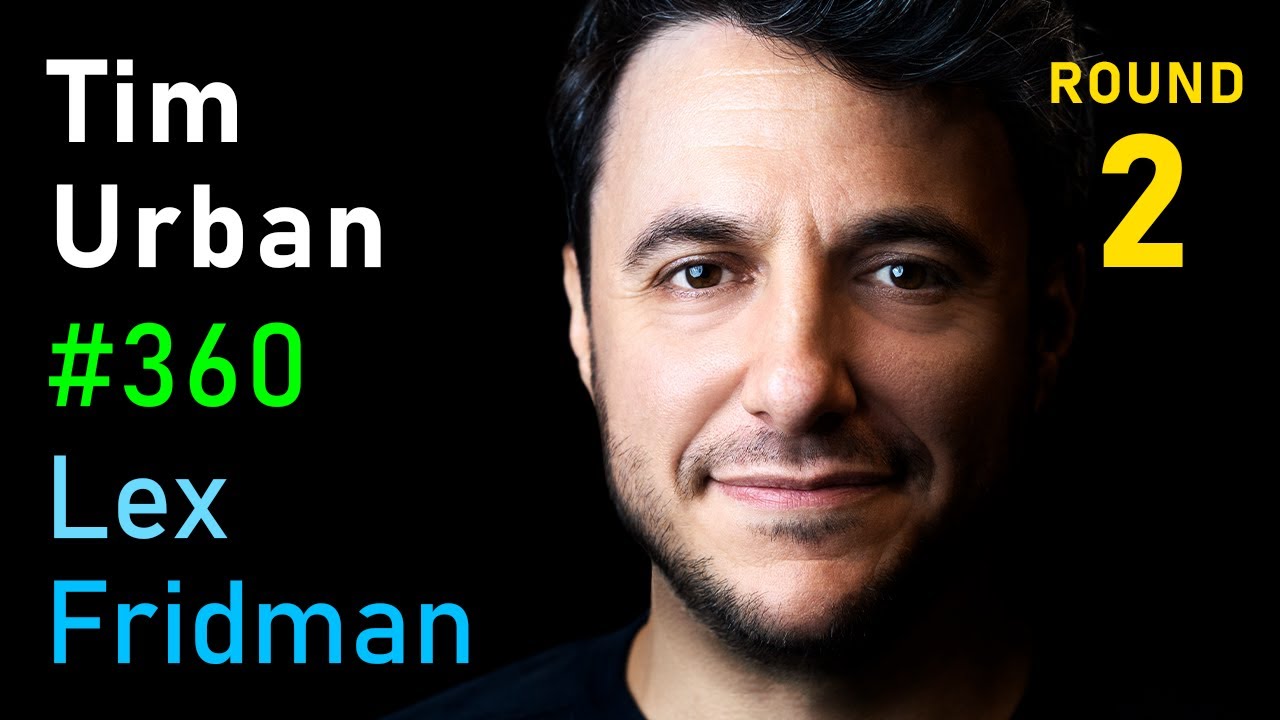 Tim Urban: Tribalism, Marxism, Liberalism, Social Justice, and Politics
Shares free speech, censorship
3h 7m
Tim Urban: Tribalism, Marxism, Liberalism, Social Justice, and Politics
Shares free speech, censorship
3h 7m
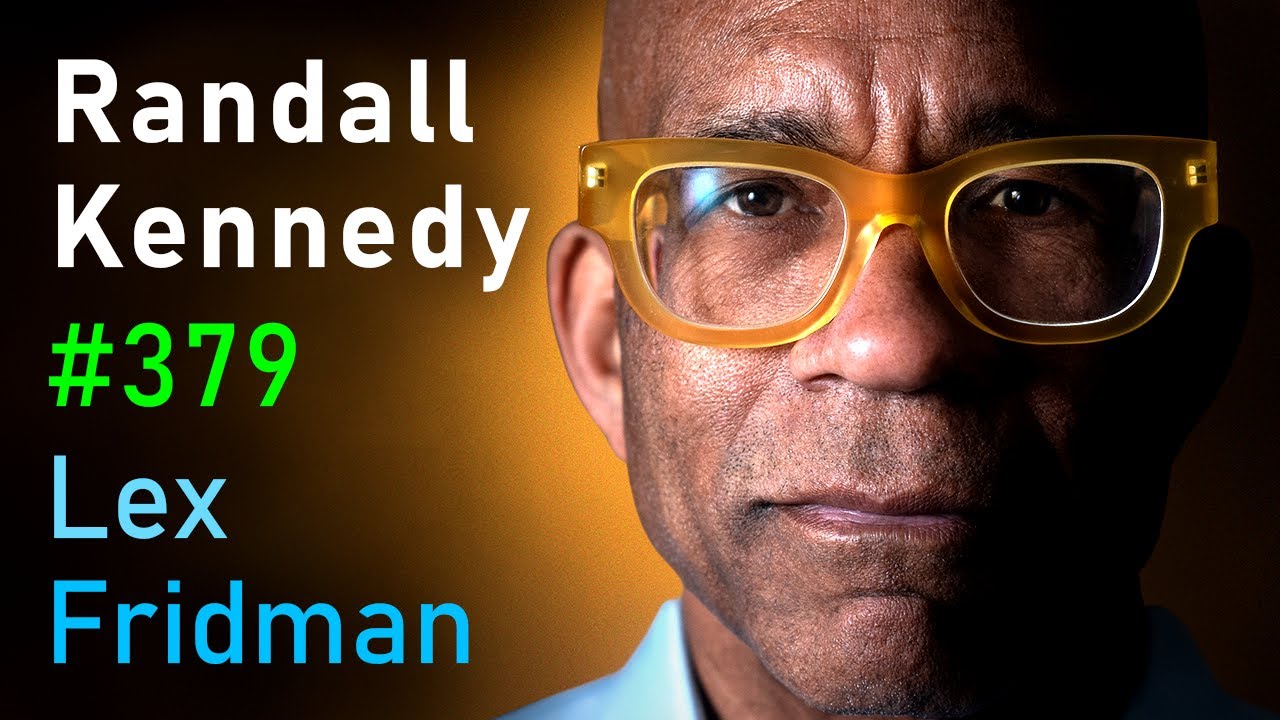 Randall Kennedy: The N-Word - History of Race, Law, Politics, and Power
Shares censorship
3h 10m
Randall Kennedy: The N-Word - History of Race, Law, Politics, and Power
Shares censorship
3h 10m
AI-generated summary · last refreshed 2026-05-29 04:41:19 · how we make these
Quotes are matched verbatim against the source transcript; references are checked to resolve to real URLs. Even so, AI can misread structure or attribute claims imperfectly. If you spot an error, please let us know.