Deciphering Secrets of Ancient Civilizations, Noah's Ark, and Flood Myths | Lex Fridman Podcast #487
Core Takeaways
Irving Finkel argues that Gobekli Tepe artifacts indicate a writing system 7,000 years earlier than believed.
Why it matters
This challenges the conventional timeline of writing's origin, suggesting earlier complex societies.
The Ark Tablet, dating back to 1700 BC, contains a flood narrative predating the biblical Noah story by a millennium.
▶ 1:23:45
Why it matters
This suggests that biblical narratives may have been influenced by earlier Mesopotamian texts, altering historical perspectives.
Finkel claims that monotheistic religions introduced dogmatism and conflict, contrasting with the inclusivity of polytheism.
▶ 1:45:00
Why it matters
This view challenges the perceived benefits of monotheism, suggesting it may have societal drawbacks.
Finkel dismisses Graham Hancock's Younger Dryas hypothesis, viewing flood myths as literary rather than historical.
▶ 1:10:00
Why it matters
This dismissal refocuses the interpretation of flood myths from historical events to cultural storytelling.
Ask this episode Deep
A preview of how Deep chat answers, grounded in this episode with citations and timestamps:
Cite this episode
For papers, blog posts, anywhere.
Related episodes
Where to go next from this conversation.
More on these ideas
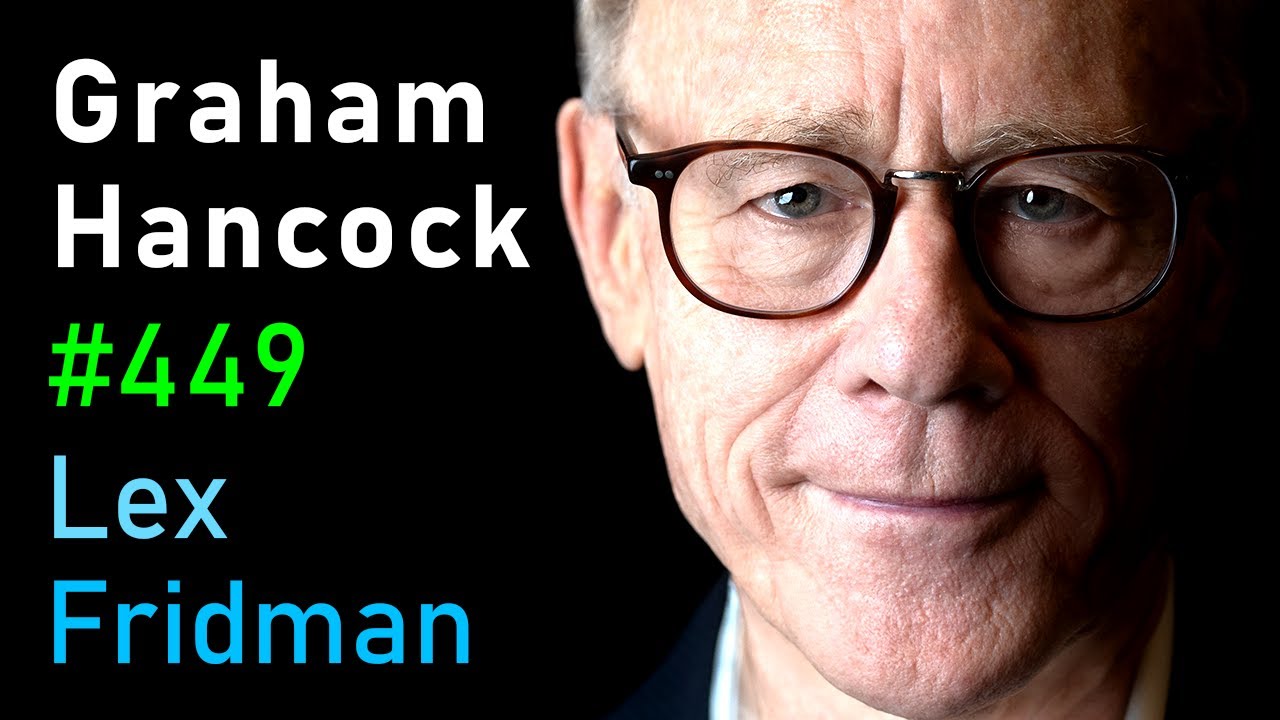 Graham Hancock: Lost Civilization of the Ice Age & Ancient Human History
More like this
2h 33m
Graham Hancock: Lost Civilization of the Ice Age & Ancient Human History
More like this
2h 33m
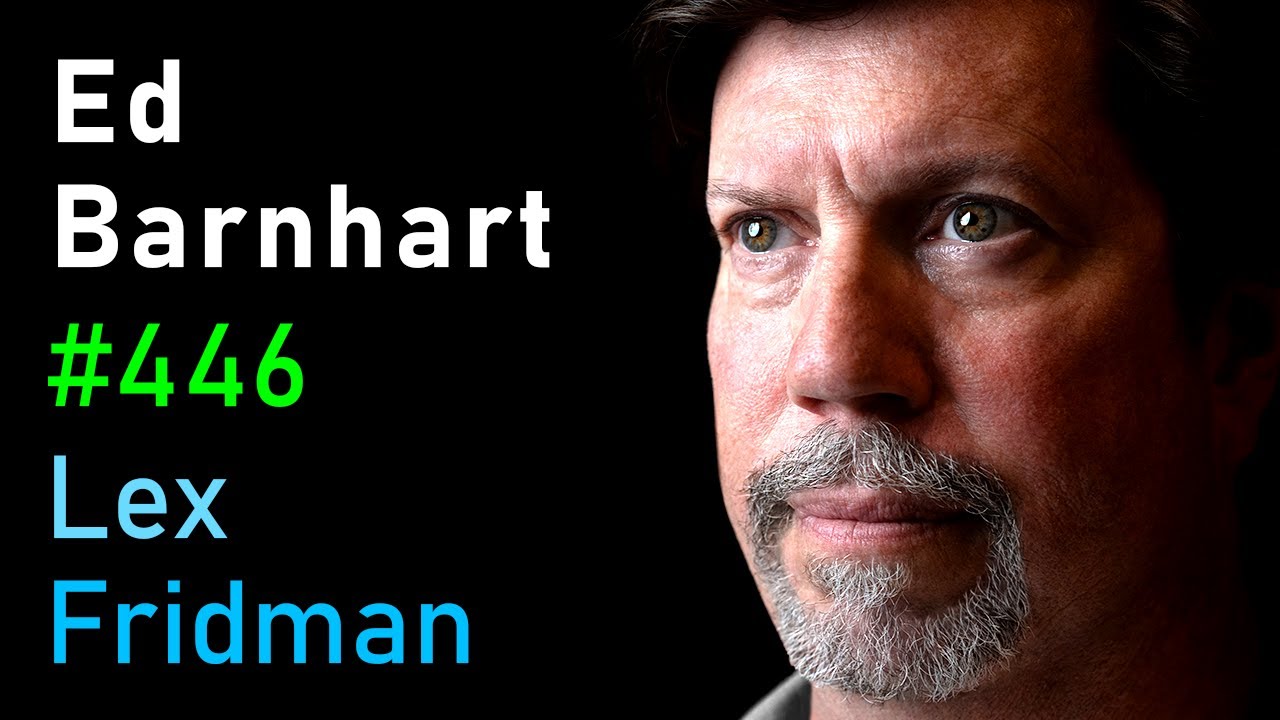 Ed Barnhart: Maya, Aztec, Inca, and Lost Civilizations of South America
More like this
3h 28m
Ed Barnhart: Maya, Aztec, Inca, and Lost Civilizations of South America
More like this
3h 28m
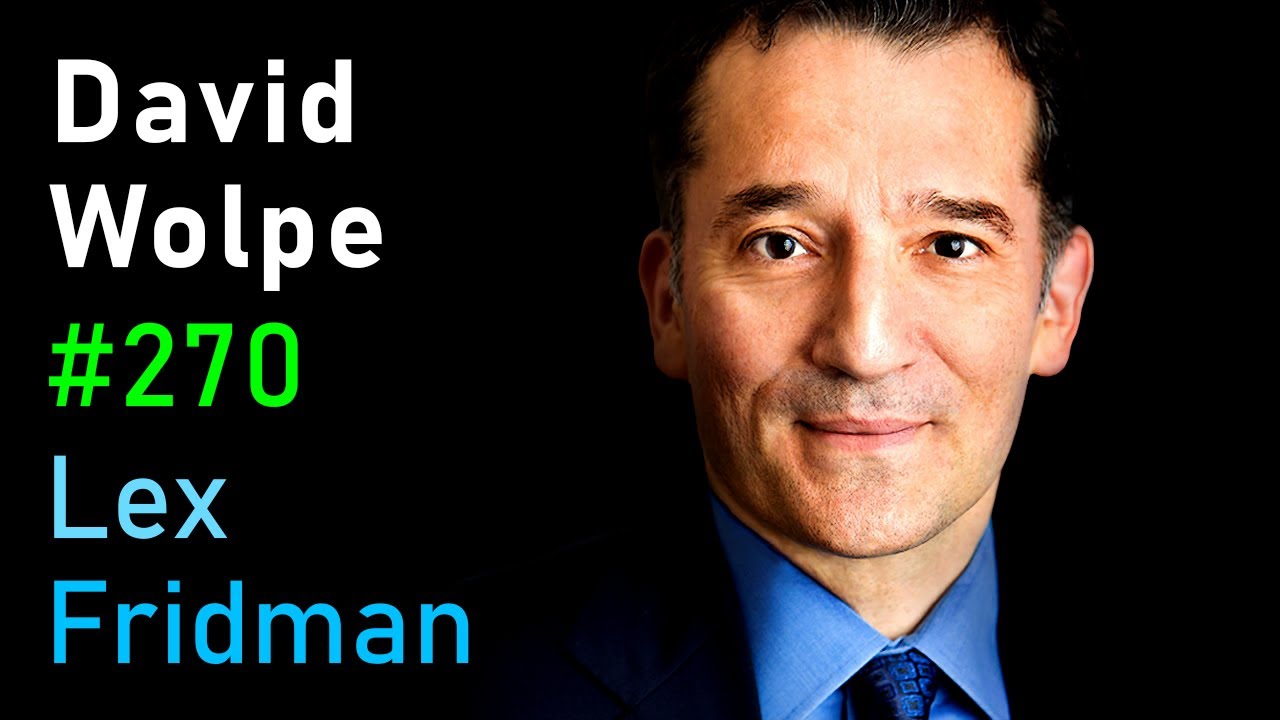 David Wolpe: Judaism
More like this
2h 10m
David Wolpe: Judaism
More like this
2h 10m
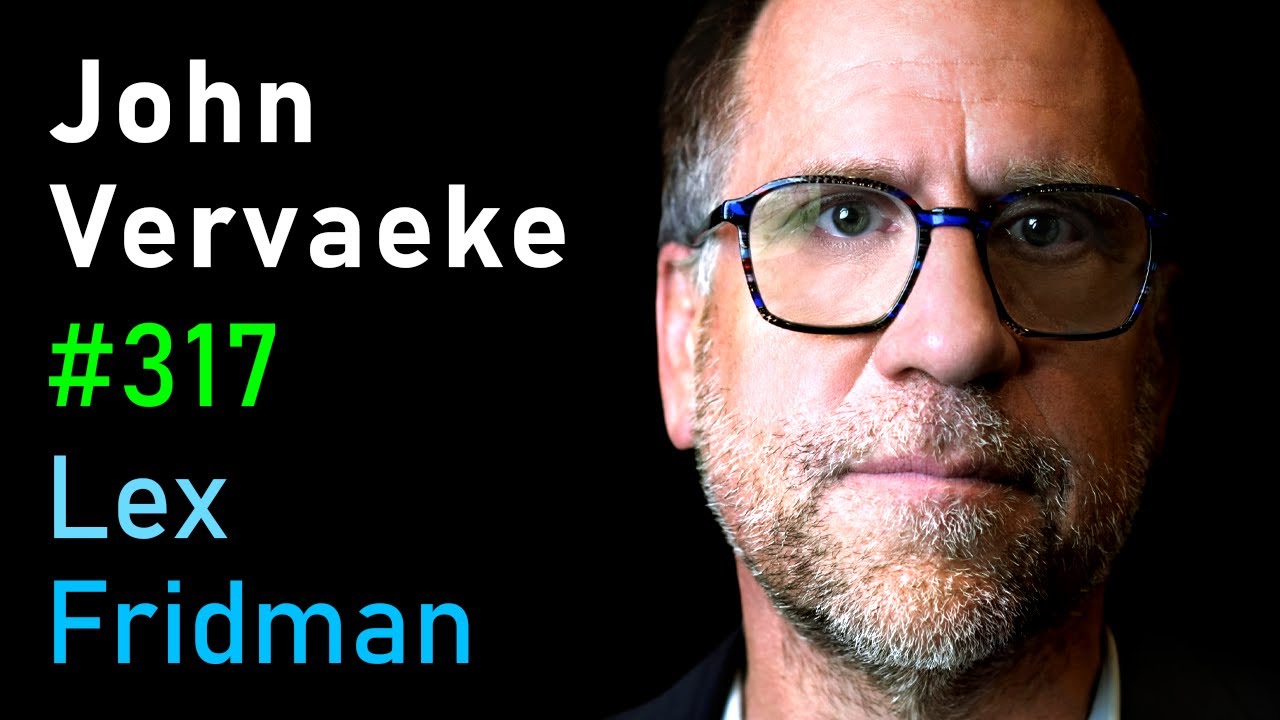 John Vervaeke: Meaning Crisis, Atheism, Religion & the Search for Wisdom
More like this
3h 11m
John Vervaeke: Meaning Crisis, Atheism, Religion & the Search for Wisdom
More like this
3h 11m
AI-generated summary · last refreshed 2026-05-31 17:10:23 · how we make these
Quotes are matched verbatim against the source transcript; references are checked to resolve to real URLs. Even so, AI can misread structure or attribute claims imperfectly. If you spot an error, please let us know.