Anna Frebel: Origin and Evolution of the Universe, Galaxies, and Stars
Core Takeaways
The universe is 13.8 billion years old, with first stars forming about 500 million years post-Big Bang.
Why it matters
Understanding the timeline of star formation helps trace the universe's evolution and the conditions for life.
Supernovae from massive early stars enriched the universe with elements like carbon and oxygen.
▶ 5:00
Why it matters
These elements are crucial for planet formation and biological processes, influencing the potential for life.
The James Webb Space Telescope is observing proto-galaxies and early supermassive black holes, capturing light 13 billion years old.
▶ 20:00
Why it matters
This data helps refine models of galaxy formation and the early universe's structure.
Second-generation stars like HE13272326 suggest first stars exploded differently, yielding less iron and more carbon.
▶ 45:00
Why it matters
This challenges existing models of supernova yields, altering our understanding of early cosmic chemistry.
Neutron star mergers are key sites for heavy element formation, confirmed by LIGO's 2017 gravitational wave detection.
▶ 1:10:00
Why it matters
This discovery provides direct evidence of the processes that create elements essential for planets and life.
Ask this episode Deep
A preview of how Deep chat answers, grounded in this episode with citations and timestamps:
Cite this episode
For papers, blog posts, anywhere.
Related episodes
Where to go next from this conversation.
More on these ideas
 Lisa Randall: Dark Matter, Theoretical Physics, and Extinction Events
Shares galaxy formation
59m
Lisa Randall: Dark Matter, Theoretical Physics, and Extinction Events
Shares galaxy formation
59m
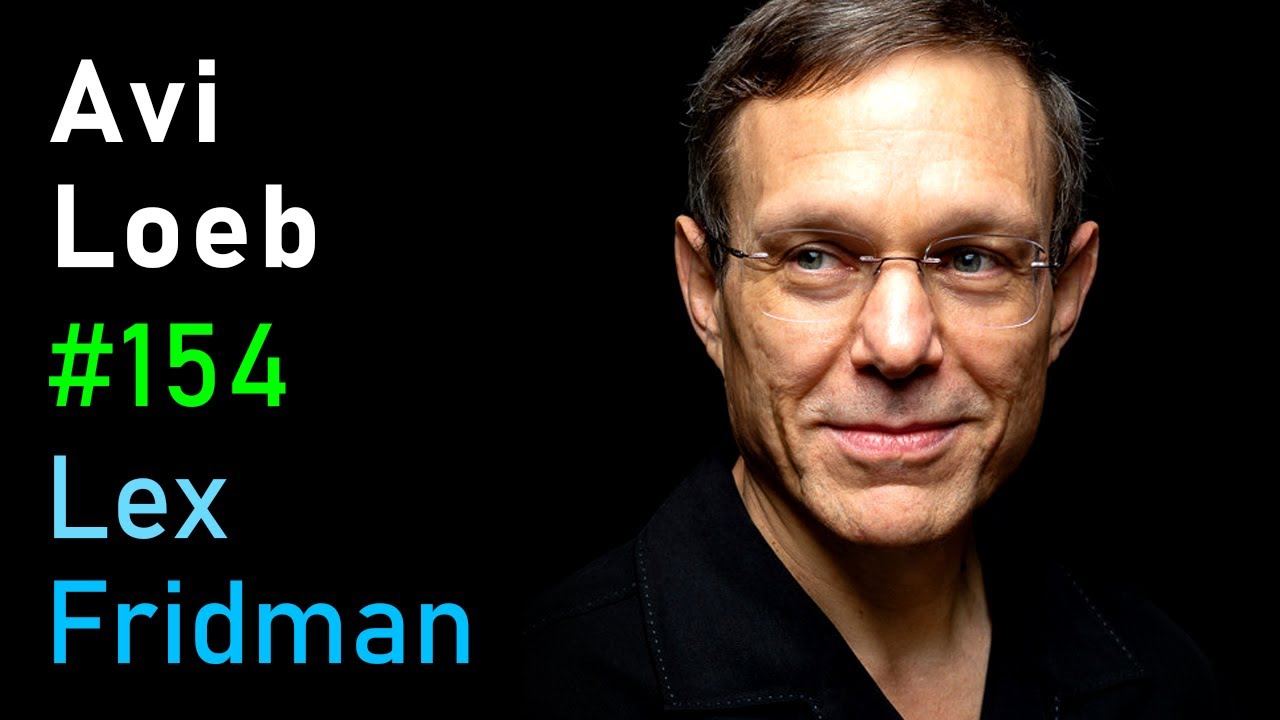 Avi Loeb: Aliens, Black Holes, and the Mystery of the Oumuamua
More like this
2h 43m
Avi Loeb: Aliens, Black Holes, and the Mystery of the Oumuamua
More like this
2h 43m
 Alex Filippenko: Supernovae, Dark Energy, Aliens & the Expanding Universe
Shares supernovae
2h 35m
Alex Filippenko: Supernovae, Dark Energy, Aliens & the Expanding Universe
Shares supernovae
2h 35m
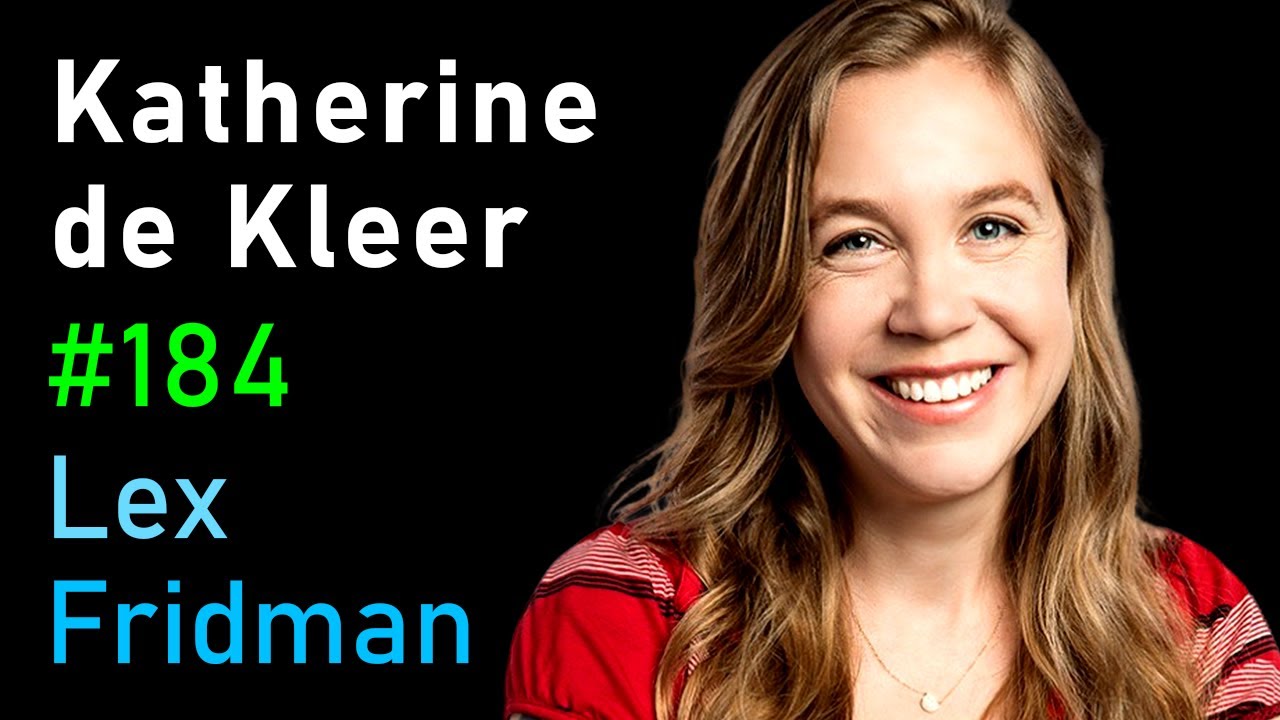 Katherine de Kleer: Planets, Moons, Asteroids & Life in Our Solar System
More like this
1h 56m
Katherine de Kleer: Planets, Moons, Asteroids & Life in Our Solar System
More like this
1h 56m
AI-generated summary · last refreshed 2026-06-07 16:55:24 · how we make these
Quotes are matched verbatim against the source transcript; references are checked to resolve to real URLs. Even so, AI can misread structure or attribute claims imperfectly. If you spot an error, please let us know.