Skip to content
TLexDR
Episodes / Max Tegmark: The Case for Halting AI Development

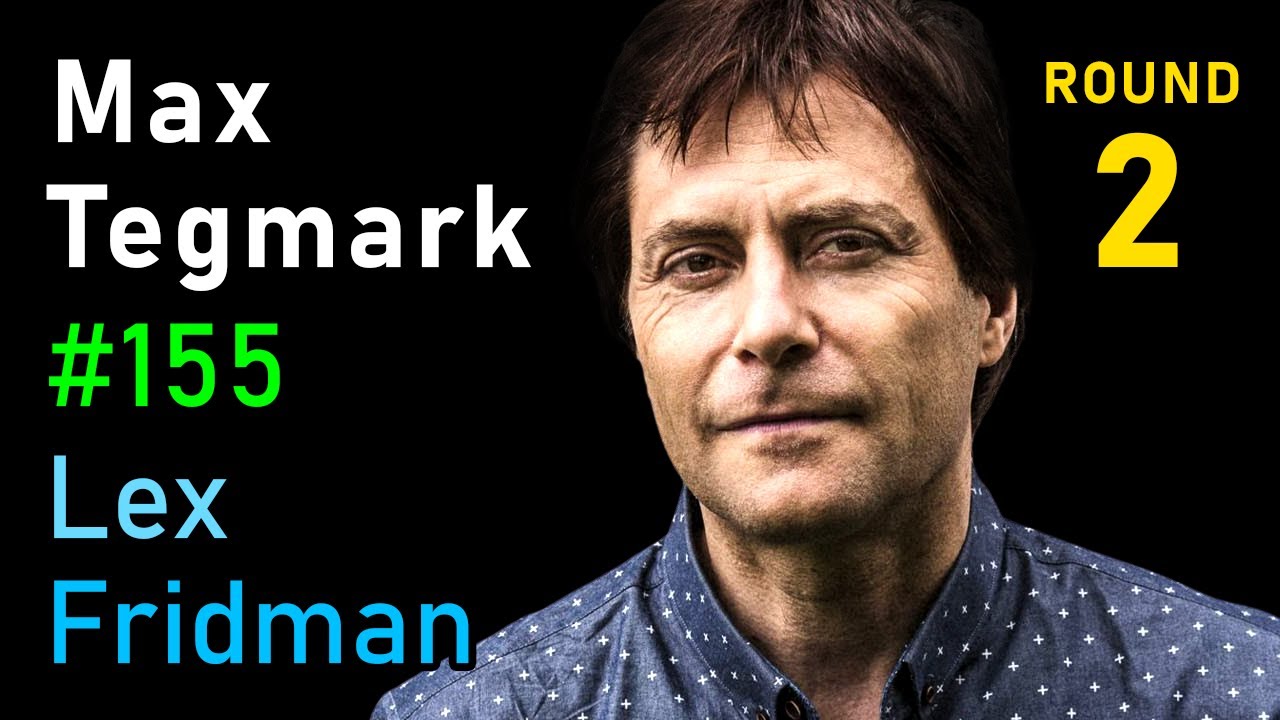
Max Tegmark: The Case for Halting AI Development

05-28-26 ▶ 2h 48m 📖 6 min read
Core Takeaways
Max Tegmark argues that humanity is likely the only advanced technological life in the observable universe, placing a unique responsibility on us.
Why it matters This claim underscores the existential responsibility humanity holds in safeguarding consciousness and technology.
The open letter calling for a pause on AI development beyond GPT-4 has been signed by over 50,000 people, highlighting widespread concern. ▶ 2:00
Why it matters The scale of support for the pause reflects significant global anxiety about unchecked AI advancements.
AI development is described as a 'suicide race' where losing control could lead to catastrophic outcomes, regardless of intentions. ▶ 1:30:00
Why it matters This metaphor emphasizes the existential risk of AI, suggesting that the stakes are survival-level for humanity.
The concept of 'Moloch' is used to describe the competitive pressures driving unsafe AI development. ▶ 2:15:00
Why it matters Understanding 'Moloch' reveals the systemic challenges in aligning AI development with safety and ethics.
Tegmark suggests that compassion and understanding are essential to combat the divisive forces of Moloch. ▶ 3:00:00
Why it matters Emphasizing compassion suggests a path to mitigate the destructive competitive dynamics in AI development.

Detailed Insights

Humanity's Unique Position
+
Tegmark argues humanity might be the only advanced life in the universe.
This uniqueness places a responsibility on humanity to safeguard consciousness.
AI Development Concerns
+
Over 50,000 people signed a letter calling for a pause on AI beyond GPT-4.
AI development is described as a 'suicide race' with catastrophic potential.
The concept of 'Moloch' explains pressures driving unsafe AI development.
Combating Competitive Pressures
+
Tegmark suggests compassion and understanding to counteract 'Moloch'.
Competitive pressures in AI are likened to a systemic force pushing for unsafe development.

How the conversation moved

The conversation began with Max Tegmark framing humanity as potentially the only advanced technological life in the observable universe, which places a unique responsibility on us to safeguard this spark of consciousness. Tegmark argues that we might be the only life capable of developing advanced technology, which adds an existential weight to our actions and decisions regarding AI development. This initial framing sets the stage for a deeper exploration of the implications of AI development on human society and the universe.

Tegmark's main argument centers around the urgent need to pause AI development beyond GPT-4, supported by an open letter signed by over 50,000 individuals, including notable CEOs and professors. He describes the current trajectory of AI development as a 'suicide race,' where competitive pressures could lead to catastrophic outcomes if control is lost. Tegmark emphasizes that the rapid pace of AI advancements has outstripped expectations, making it critical to address safety and ethical concerns immediately.

However, the conversation lacks direct pushback from Lex Fridman on Tegmark's call for a pause in AI development. Instead, the discussion highlights the systemic challenges posed by 'Moloch,' a metaphor for the competitive forces driving unsafe AI development. This concept suggests that even if individual actors wish to prioritize safety, the competitive landscape makes it difficult to do so without coordinated efforts. The absence of pushback leaves Tegmark's argument largely unchallenged in the conversation.

The discussion concludes with Tegmark advocating for compassion and understanding as tools to combat the divisive forces of 'Moloch.' He suggests that by fostering a sense of common humanity and aligning incentives with societal good, it may be possible to mitigate the destructive competitive dynamics in AI development. The conversation ends on a hopeful note, emphasizing that while the challenges are significant, they are not insurmountable if approached with wisdom and cooperation.

Surprising moments

Max Tegmark
Max Tegmark claims humanity is likely the only advanced technological life in the observable universe.
Share this quote X Bluesky LinkedIn Email Download card
Max Tegmark
Tegmark describes AI development as a 'suicide race,' emphasizing the existential risk involved.
Max Tegmark
Tegmark introduces 'Moloch' as a metaphor for competitive pressures in AI development.

Topics Covered

Humanity's Unique Position AI Development Concerns Combating Competitive Pressures

Memorable Quotes

"The space of alien minds that you can build is just so much vaster than what evolution will give you." — Max Tegmark
"It's very dangerous if we assume they're gonna be like us or anything like us." — Max Tegmark
"Moloch makes us fight against each other. That's what Moloch's superpower is." — Max Tegmark
"Love is the answer. That seems to be one of the ways to fight Moloch is by compassion, by seeing the common humanity." — Max Tegmark

Still open

Unresolved by the end of the conversation

  • Tegmark questions whether compassion and understanding can effectively combat the divisive forces of Moloch.

Jargon glossary

Moloch
A metaphor for competitive pressures driving unsafe AI development.
suicide race
A metaphor describing AI development as a high-risk competition where losing control could be catastrophic.

References & Resources

Life 3.0 by Max Tegmark book
Meditations on Moloch by Scott Alexander article
The Social Dilemma by Tristan Harris video
Physical Limits on Computation by Seth Lloyd paper
United Nations Sustainable Development Goals by United Nations other

For the specialist

What a senior practitioner would find new

  • Tegmark's concept of 'Moloch' as a systemic force in AI development highlights the difficulty of aligning competitive incentives with safety.
  • The analogy of AI development as a 'suicide race' underscores the existential risks involved, framing it as a global issue beyond individual control.

Ask this episode Deep

A preview of how Deep chat answers, grounded in this episode with citations and timestamps:

Cite this episode

For papers, blog posts, anywhere.

Copied!

Related episodes

Where to go next from this conversation.

AI-generated summary · last refreshed 2026-06-07 18:12:07 · how we make these

Quotes are matched verbatim against the source transcript; references are checked to resolve to real URLs. Even so, AI can misread structure or attribute claims imperfectly. If you spot an error, please let us know.

Report an inaccuracy →