Episodes / Sam Altman: OpenAI CEO on GPT-4, ChatGPT, and the Future of ...
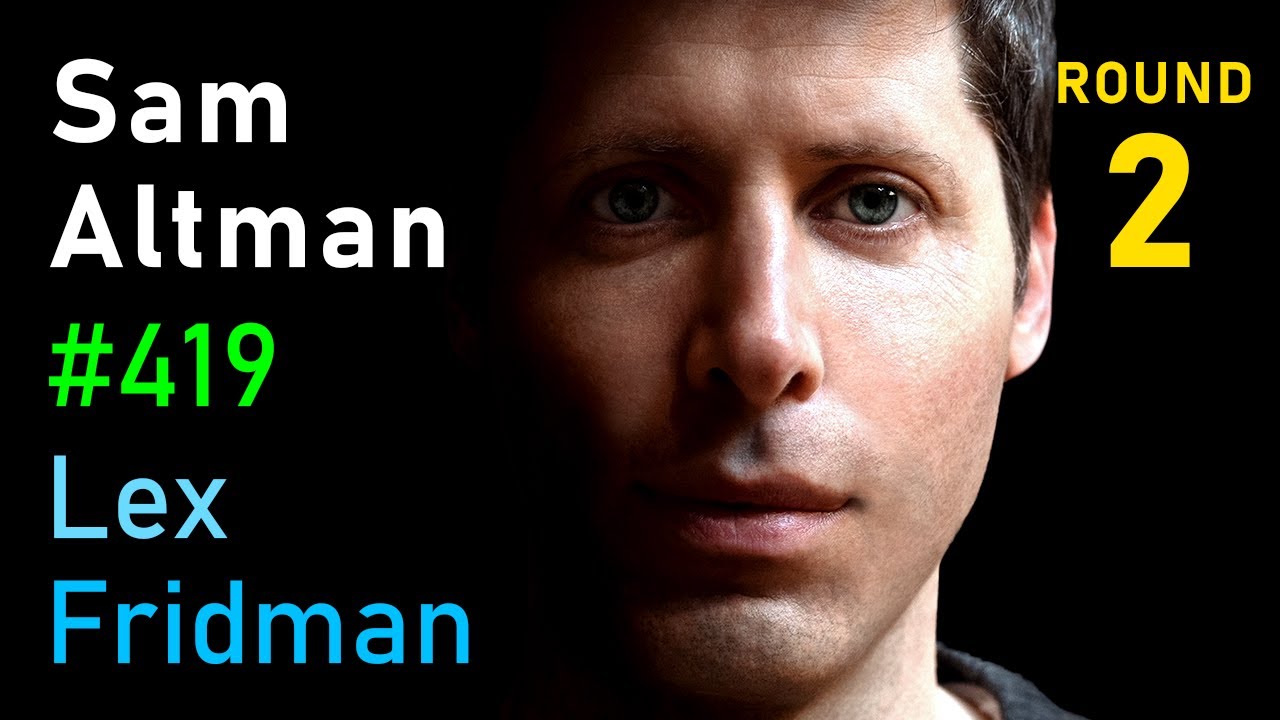
Sam Altman: OpenAI CEO on GPT-4, ChatGPT, and the Future of AI
05-28-26▶ 2h 23m📖 6 min read
Core Takeaways
GPT-4 uses Reinforcement Learning with Human Feedback (RLHF) to align AI models with human preferences, requiring minimal data.
▶ 5:30
Why it mattersRLHF is crucial for developing AI that can safely and effectively interact with humans, ensuring ethical AI deployment.
GPT-4's pre-training dataset is vast, sourced from open databases, partnerships, and various internet content, including news sources and Reddit.
▶ 7:45
Why it matters
The diversity of GPT-4's dataset is key to its broad applicability and ability to generalize across tasks.
OpenAI's transition to a capped profit model in 2020 was to secure capital for AGI development while maintaining control over safety priorities.
▶ 1:40:00
Why it matters
This model allows OpenAI to balance financial sustainability with ethical considerations, crucial for responsible AGI development.
GPT-4 allows users to steer the model using system messages, enabling flexible responses like pretending to be Shakespeare or responding in JSON.
▶ 1:20:00
Why it matters
Steerability enhances user interaction and customization, making AI more adaptable to specific user needs.
AI systems have the potential to be less biased than humans due to the absence of emotional loads that affect human judgment.
▶ 2:10:30
Why it matters
Reducing bias in AI systems can lead to fairer and more equitable decision-making processes.
Detailed Insights
GPT-4 Development
+
•
GPT-4 represents an early stage in AI development, akin to the earliest computers.
•
Reinforcement learning with human feedback (RLHF) is crucial for aligning AI models with human preferences.
•
The pre-training dataset for GPT-4 is vast, sourced from open databases, partnerships, and various internet content.
AI Alignment and Safety
+
•
GPT-4 can predict a one-year-old's future SAT performance based on current knowledge.
•
The alignment of AI systems is crucial, with the goal of ensuring that alignment increases faster than capability progress.
•
Reinforcement Learning from Human Feedback (RLHF) is a method currently used for alignment.
OpenAI's Organizational Strategy
+
•
OpenAI transitioned from a nonprofit to a capped profit model in 2020 to secure necessary capital for AGI development.
•
The nonprofit remains in control, allowing for nonstandard decisions and protecting against shareholder interests.
•
There are concerns about uncapped companies in AGI development potentially prioritizing profit over safety.
AI Bias and Societal Impact
+
•
The bias of human feedback raters poses a significant challenge in AI development.
•
AI systems have the potential to be less biased than humans due to the absence of emotional loads that affect human judgment.
•
Universal Basic Income (UBI) is viewed as a component of a broader solution to address the societal changes brought by AI.
How the conversation moved
The episode begins with Lex Fridman introducing Sam Altman, CEO of OpenAI, to discuss the development and implications of GPT-4. Altman frames GPT-4 as an early stage in AI development, drawing parallels to the earliest computers, and emphasizes the importance of Reinforcement Learning with Human Feedback (RLHF) as a method for aligning AI models with human preferences. The conversation sets the stage for a deep dive into the technical and ethical aspects of AI development, particularly focusing on the challenges of bias and safety in AI systems.
Altman provides concrete details about GPT-4, including its vast pre-training dataset sourced from a variety of internet content and the role of RLHF in its development. He explains how this method requires relatively little data to effectively align AI models with human intentions, making it a crucial component in the development of AI systems that interact safely with humans. The discussion also touches on the iterative process of releasing models to the public to identify strengths and weaknesses, a strategy that helps refine AI capabilities and alignment.
Despite the depth of the conversation, Lex does not challenge Altman's framing on the potential of AI to predict future human capabilities, such as a child's SAT performance. However, Altman himself acknowledges the limitations of current alignment techniques, admitting that they are not yet sufficient for super powerful systems. This moment of introspection highlights the ongoing challenges in AI development, particularly in ensuring that alignment progresses faster than capability improvements, a critical factor in the safe deployment of AI.
The conversation concludes with a discussion on OpenAI's organizational strategy, including its transition to a capped profit model to secure capital for AGI development while maintaining control over safety priorities. Altman reflects on the potential societal impacts of AI, including job displacement and the role of Universal Basic Income (UBI) as part of a broader solution to address these changes. The episode leaves open questions about the future of AI alignment and the ethical considerations that will continue to shape its development.
Surprising moments
Sam Altman
Altman pushed back on the notion that advice from others is universally applicable, arguing that personal introspection is more valuable.
AI-generated summary
· last refreshed
2026-06-07 18:41:56
· how we make these
Quotes are matched verbatim against the source transcript; references are checked to resolve to real URLs. Even so, AI can misread structure or attribute claims imperfectly. If you spot an error, please let us know.
Report an inaccuracy →
Free weekly summary · one Lex Fridman episode, every Friday.