Sam Altman: OpenAI CEO on GPT-4, ChatGPT, and the Future of AI
Core Takeaways
OpenAI's transition to a capped profit model in 2020 was to secure capital for AGI development while maintaining control over safety priorities.
▶ 1:40:00
Why it matters
This model allows OpenAI to balance financial sustainability with ethical considerations, crucial for responsible AGI development.
AI systems have the potential to be less biased than humans due to the absence of emotional loads that affect human judgment.
▶ 2:10:30
Why it matters
Reducing bias in AI systems can lead to fairer and more equitable decision-making processes.
Ask this episode Deep
A preview of how Deep chat answers, grounded in this episode with citations and timestamps:
Cite this episode
For papers, blog posts, anywhere.
Related episodes
Where to go next from this conversation.
More from Sam Altman
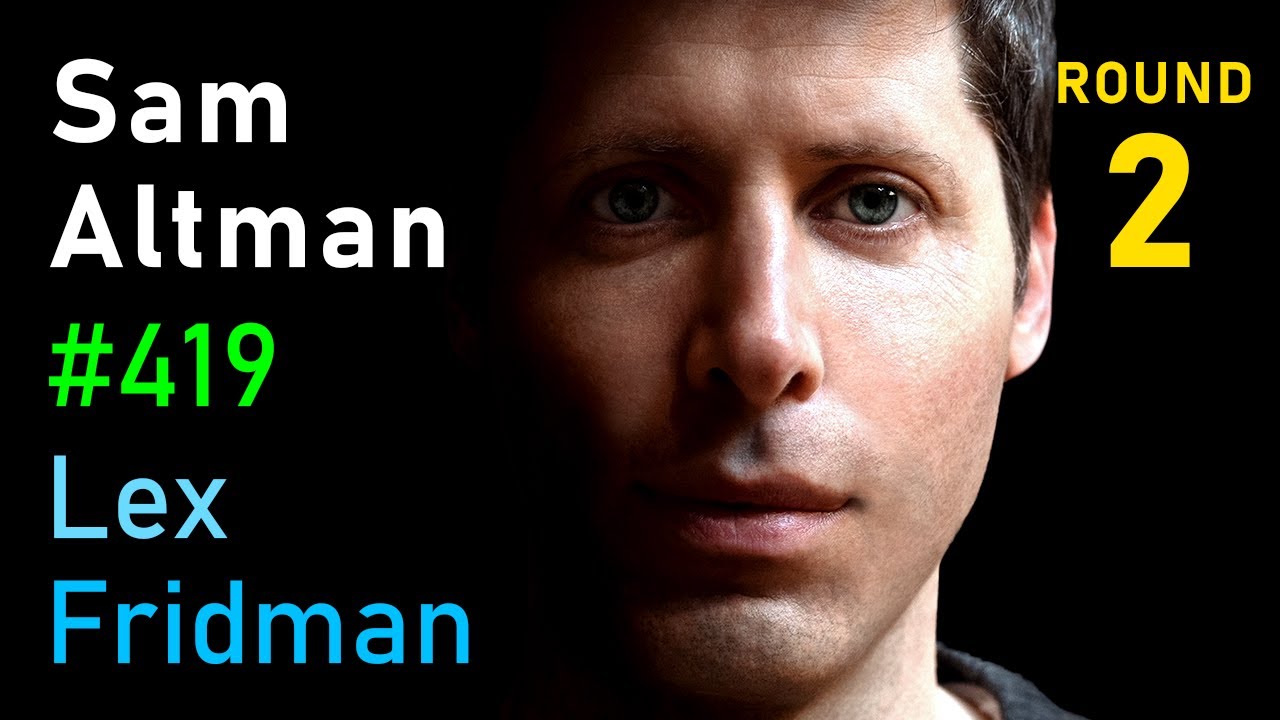
More on these ideas
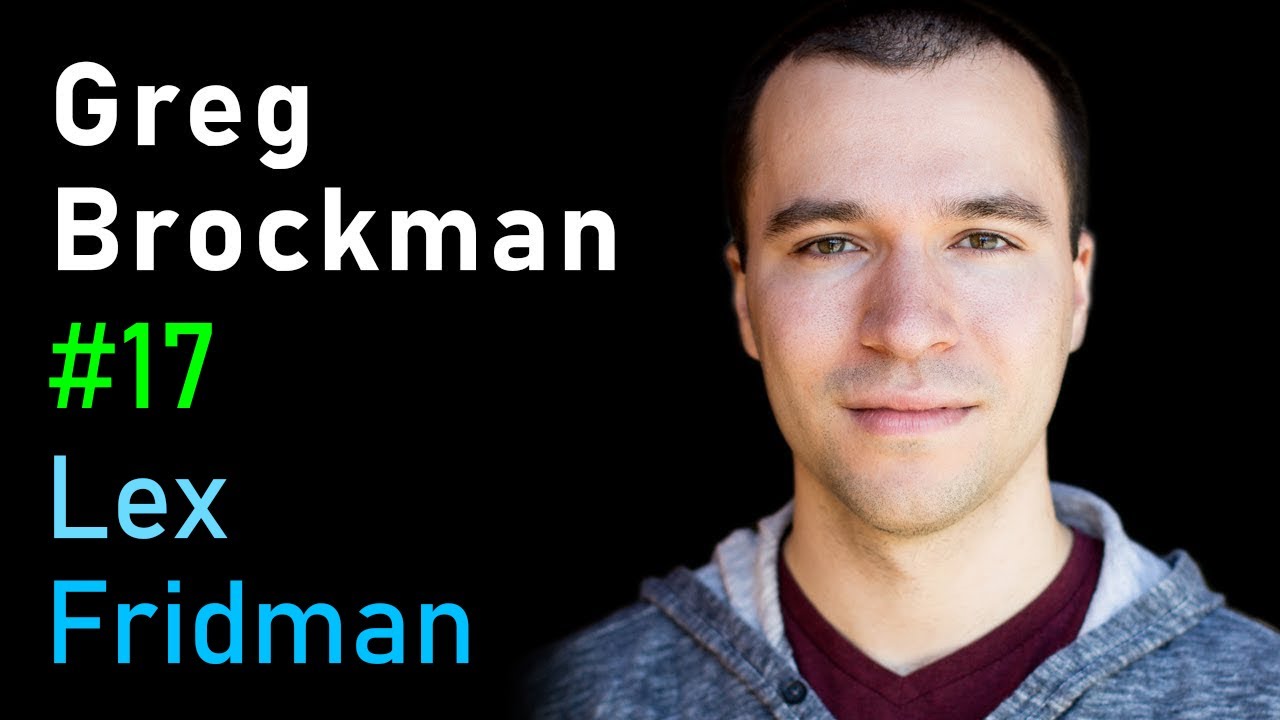 Greg Brockman: OpenAI and AGI
Shares AI alignment, AGI
1h 25m
Greg Brockman: OpenAI and AGI
Shares AI alignment, AGI
1h 25m
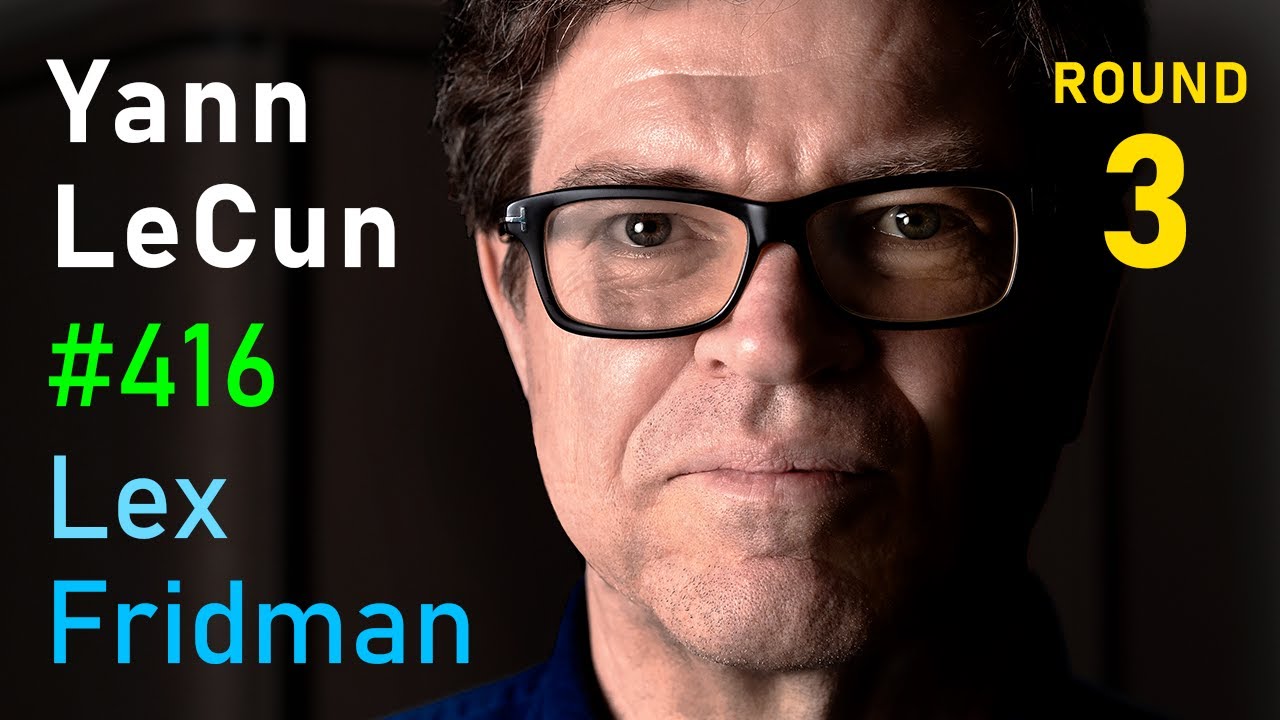 Yann Lecun: Meta AI, Open Source, Limits of LLMs, AGI & the Future of AI
Shares AGI
2h 47m
Yann Lecun: Meta AI, Open Source, Limits of LLMs, AGI & the Future of AI
Shares AGI
2h 47m
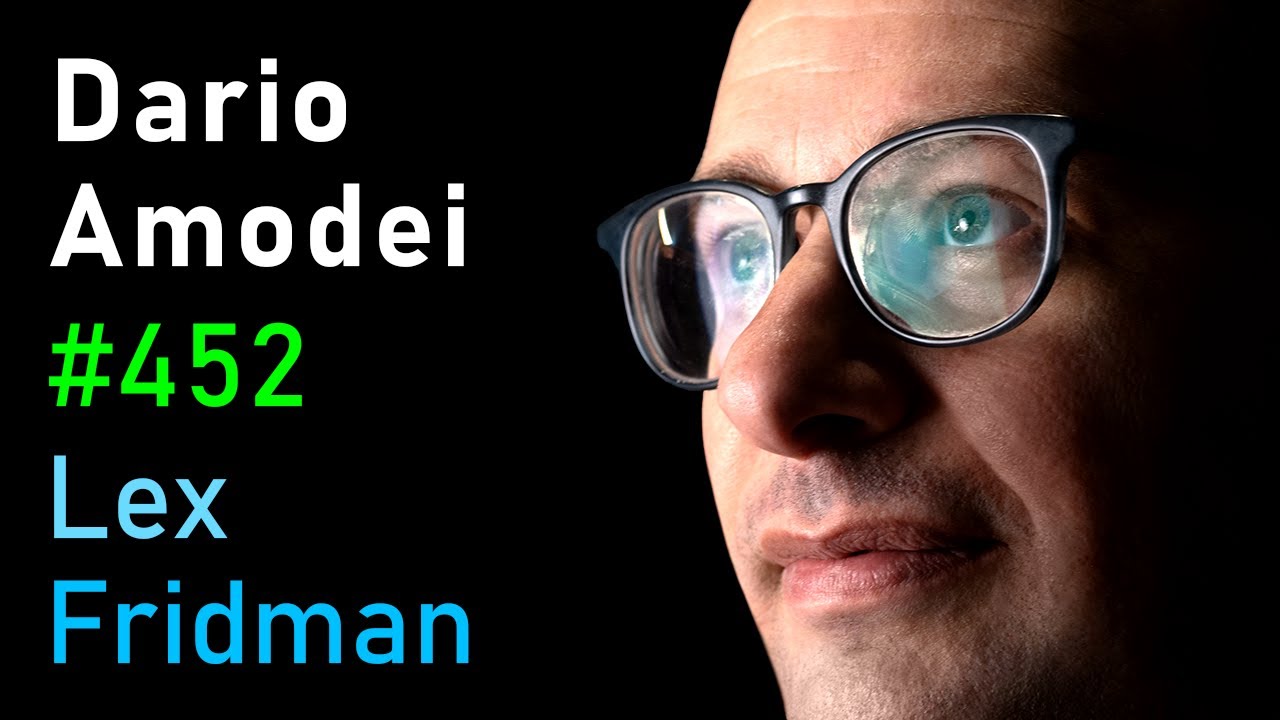 Dario Amodei: Anthropic CEO on Claude, AGI & the Future of AI & Humanity
Shares AI safety
5h 15m
Dario Amodei: Anthropic CEO on Claude, AGI & the Future of AI & Humanity
Shares AI safety
5h 15m
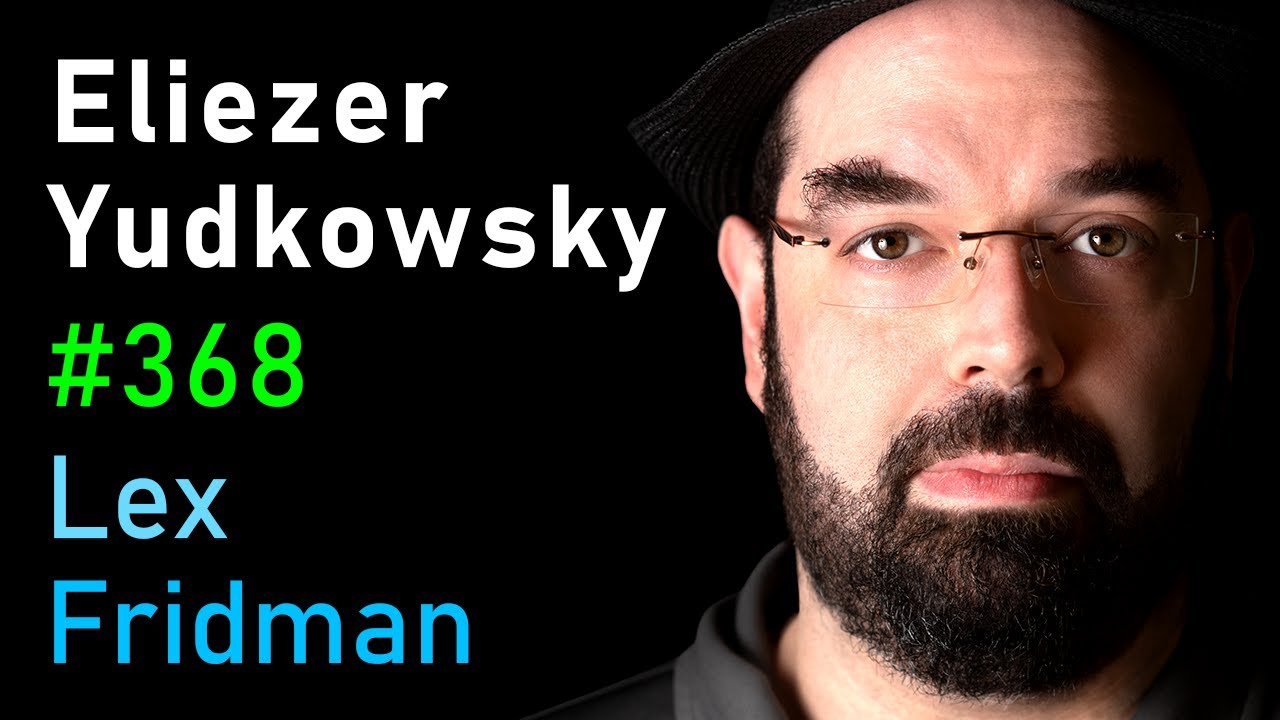 Eliezer Yudkowsky: Dangers of AI and the End of Human Civilization
Shares AI safety
3h 17m
Eliezer Yudkowsky: Dangers of AI and the End of Human Civilization
Shares AI safety
3h 17m
AI-generated summary · last refreshed 2026-06-07 18:41:56 · how we make these
Quotes are matched verbatim against the source transcript; references are checked to resolve to real URLs. Even so, AI can misread structure or attribute claims imperfectly. If you spot an error, please let us know.