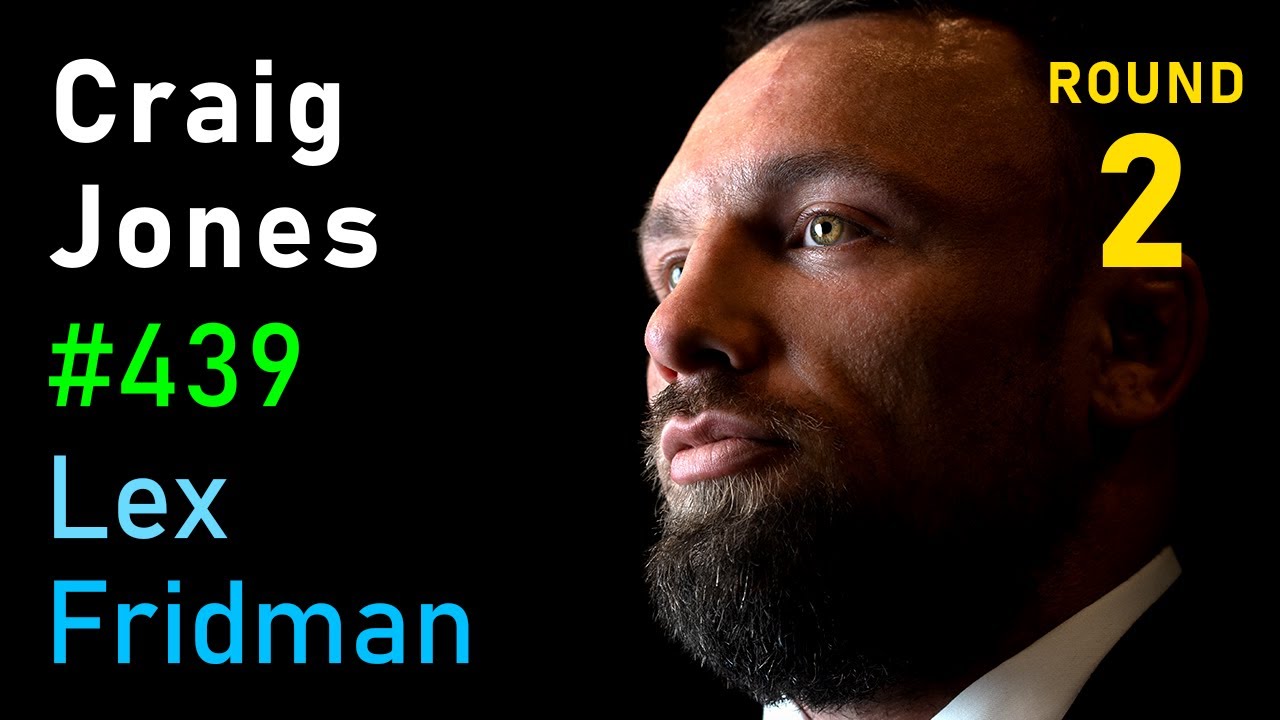
B-Team Jiu Jitsu: Craig Jones, Nicky Rod, and Nicky Ryan
Core Takeaways
Craig Jones and Nicky Rod are two-time ADCC silver medalists, highlighting their high-level competition experience.
▶ 1:00
Why it matters
Their achievements underscore the competitive nature and high stakes of professional jiu-jitsu.
Steroid use is prevalent in sports without testing, affecting competition dynamics and ethics.
▶ 1:50:00
Why it matters
This raises ethical concerns and questions about fair competition in grappling sports.
Positional training in jiu-jitsu, especially from Mount and Turtle, is crucial for building resilience.
▶ 2:10:00
Why it matters
Understanding these positions helps practitioners prepare for real competition scenarios.
Ask this episode Deep
A preview of how Deep chat answers, grounded in this episode with citations and timestamps:
Cite this episode
For papers, blog posts, anywhere.
Related episodes
Where to go next from this conversation.
More from Craig Jones
More on these ideas
 Neil Adams: Judo, Olympics, Winning, Losing, and the Champion Mindset
Shares competition
2h 27m
Neil Adams: Judo, Olympics, Winning, Losing, and the Champion Mindset
Shares competition
2h 27m
 Ben Askren: Wrestling and MMA
Shares competition
2h 15m
Ben Askren: Wrestling and MMA
Shares competition
2h 15m
 Georges St-Pierre, John Danaher & Gordon Ryan: The Greatest of All Time
More like this
2h 59m
Georges St-Pierre, John Danaher & Gordon Ryan: The Greatest of All Time
More like this
2h 59m
 John Danaher: The Path to Mastery in Jiu Jitsu, Grappling, Judo, and MMA
More like this
3h 37m
John Danaher: The Path to Mastery in Jiu Jitsu, Grappling, Judo, and MMA
More like this
3h 37m
AI-generated summary · last refreshed 2026-06-07 19:29:33 · how we make these
Quotes are matched verbatim against the source transcript; references are checked to resolve to real URLs. Even so, AI can misread structure or attribute claims imperfectly. If you spot an error, please let us know.