Paul Conti: Narcissism, Sociopathy, Envy, and the Nature of Good and Evil
Core Takeaways
Paul Conti argues that psychiatry is the most effective tool to understand human nature, integrating biology and psychology.
▶ 2:30
Why it matters
This suggests that psychiatry offers a holistic approach to understanding complex human behaviors, potentially improving mental health outcomes.
Narcissism stems from a deep sense of inadequacy, often manifesting as envy and aggression towards others.
▶ 35:10
Why it matters
Understanding narcissism's roots can aid in developing strategies to mitigate its negative impacts on interpersonal relationships.
Trauma can both hinder and fuel creativity, with childhood experiences having a disproportionate impact on development.
▶ 1:05:20
Why it matters
Acknowledging trauma's dual role in creativity can inform therapeutic approaches and support for artists.
The healthcare system's barriers to mental health care hinder effective treatment, emphasizing the need for human connection in therapy.
▶ 1:45:00
Why it matters
Addressing these barriers is crucial for improving mental health care access and outcomes, emphasizing the role of empathy in treatment.
Ask this episode Deep
A preview of how Deep chat answers, grounded in this episode with citations and timestamps:
Cite this episode
For papers, blog posts, anywhere.
Related episodes
Where to go next from this conversation.
More on these ideas
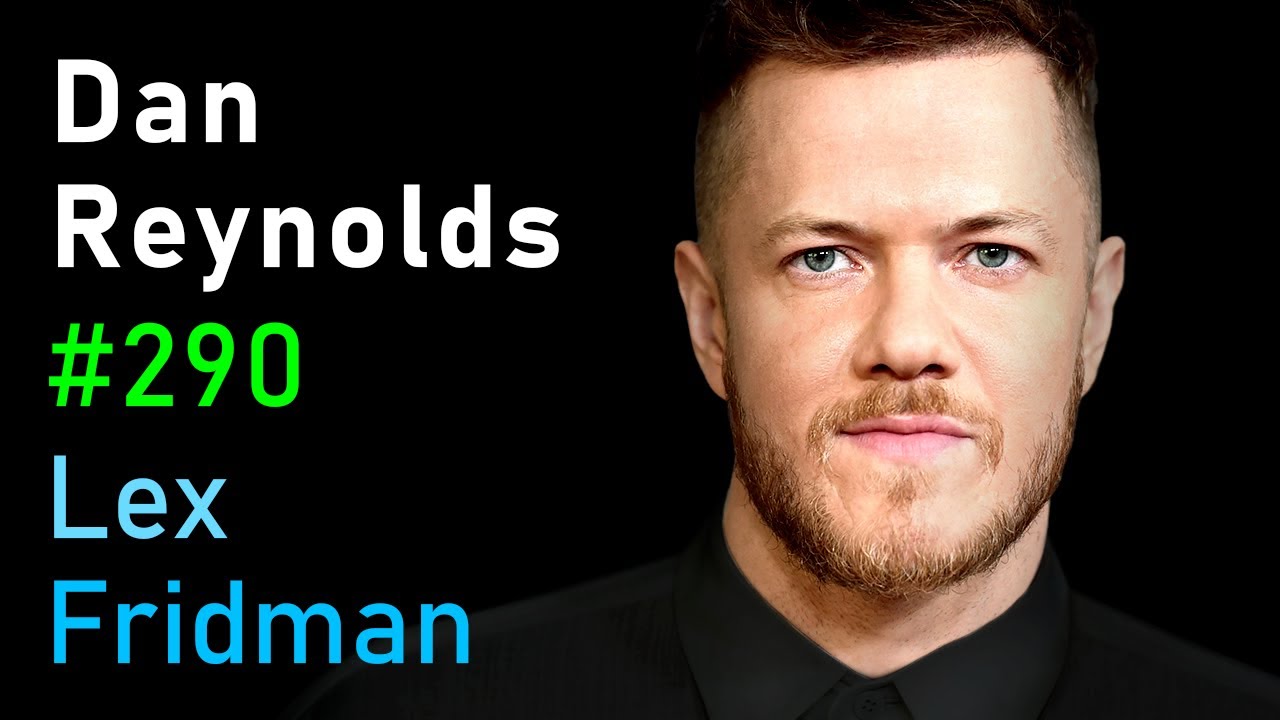 Dan Reynolds: Imagine Dragons
Shares creativity
2h 12m
Dan Reynolds: Imagine Dragons
Shares creativity
2h 12m
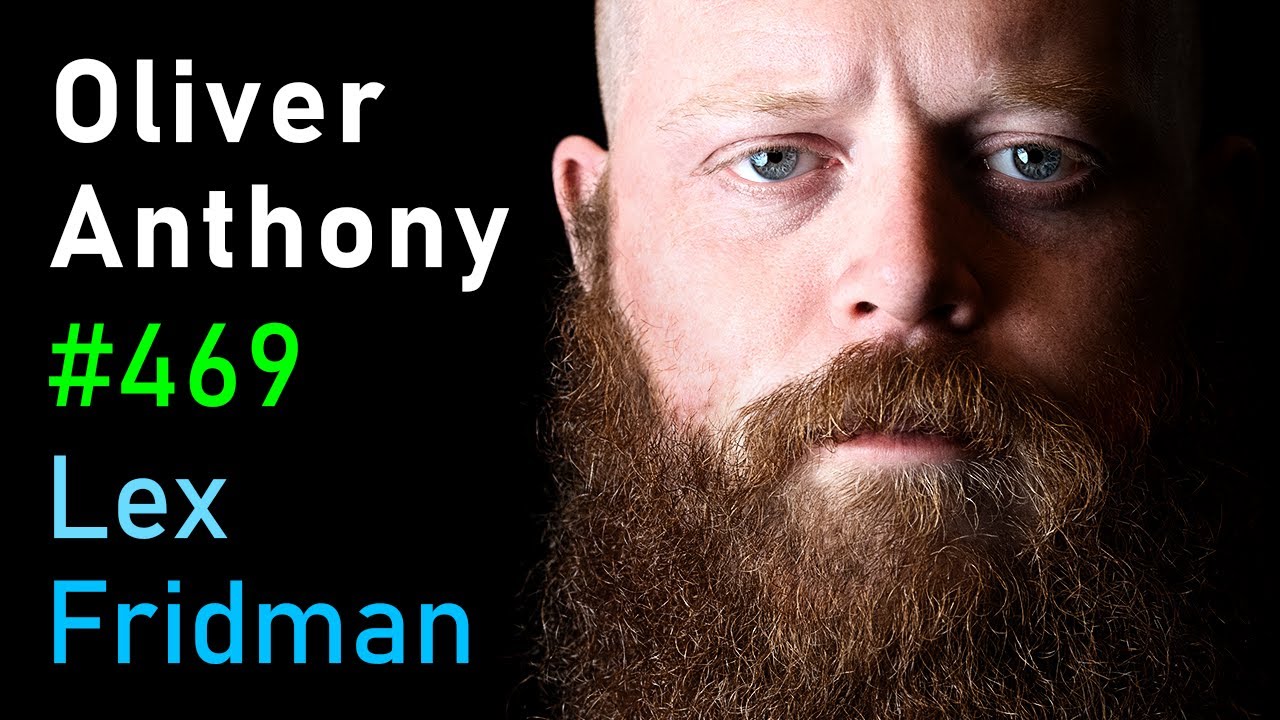 Oliver Anthony: Country Music, Blue-Collar America, Fame, Money, and Pain
Shares creativity
2h 19m
Oliver Anthony: Country Music, Blue-Collar America, Fame, Money, and Pain
Shares creativity
2h 19m
 Tal Wilkenfeld: Music, Guitar, Bass, Jeff Beck, Prince, and Leonard Cohen
More like this
1h 50m
Tal Wilkenfeld: Music, Guitar, Bass, Jeff Beck, Prince, and Leonard Cohen
More like this
1h 50m
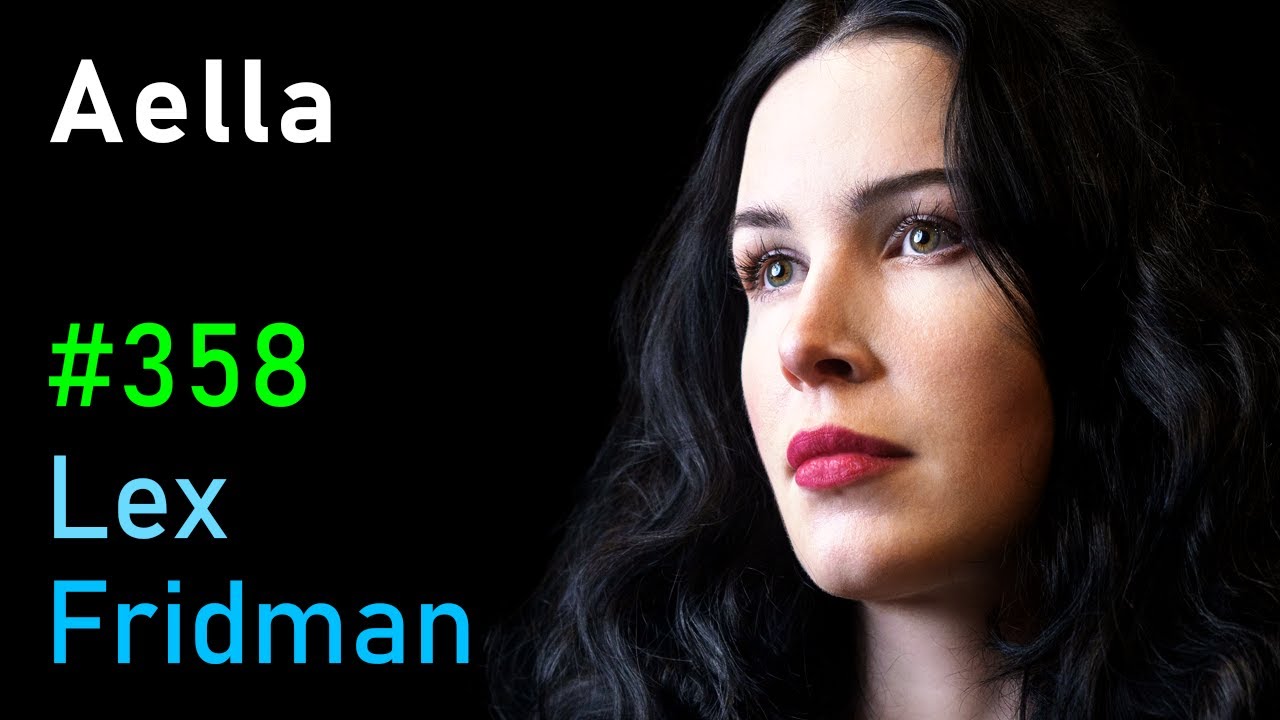 Aella: Sex Work, OnlyFans, Porn, Escorting, Dating, and Human Sexuality
Shares trauma
3h 57m
Aella: Sex Work, OnlyFans, Porn, Escorting, Dating, and Human Sexuality
Shares trauma
3h 57m
AI-generated summary · last refreshed 2026-06-07 20:30:37 · how we make these
Quotes are matched verbatim against the source transcript; references are checked to resolve to real URLs. Even so, AI can misread structure or attribute claims imperfectly. If you spot an error, please let us know.