Skip to content
TLexDR

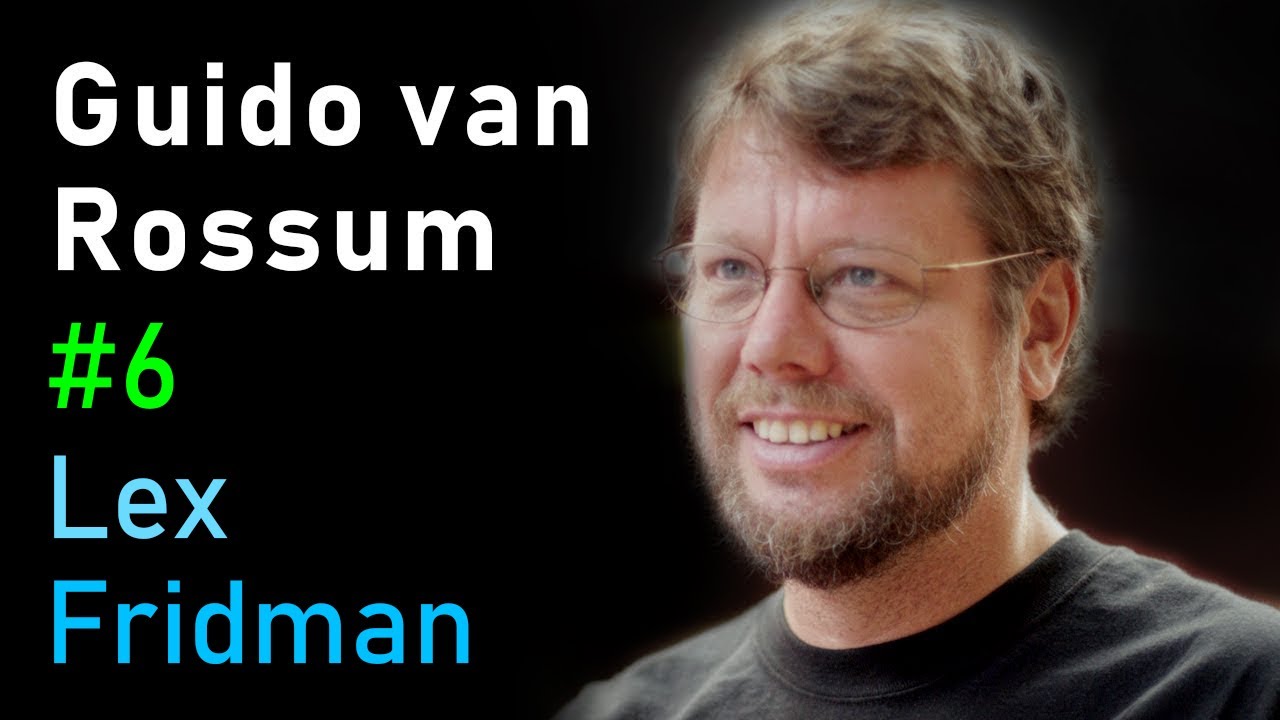
Guido van Rossum: Python and the Future of Programming

11-26-22 ▶ 3h 15m 📖 5 min read
Core Takeaways
Python 3.11 is 10-60% faster due to interpreter optimizations, not a JIT compiler. ▶ 41:00
Why it matters This performance boost makes Python more competitive for high-performance applications without sacrificing simplicity.
Guido van Rossum sees Python evolving into a legacy language, crucial but unnoticed. ▶ 1:45:00
Why it matters Python's future as a legacy language suggests it will remain foundational in computing, akin to C or Fortran.
The Global Interpreter Lock (GIL) limits Python's multi-threading on multi-core CPUs. ▶ 1:55:00
Why it matters GIL's limitations highlight the need for Python's evolution to support modern multi-threaded applications.
75% of a developer's time is spent on debugging, costing $113 billion annually in the US. ▶ 1:10:00
Why it matters The high cost of debugging underscores the need for better tools and practices in software development.
Static type checkers like MYPY evolve faster than Python's syntax updates. ▶ 1:30:00
Why it matters Rapid evolution of type checkers enhances Python's robustness, crucial for large-scale software projects.

How the conversation moved

The conversation began with Guido van Rossum discussing the foundational principles of Python, particularly its emphasis on code readability and the social nature of software…

Ask this episode Deep

A preview of how Deep chat answers, grounded in this episode with citations and timestamps:

Cite this episode

For papers, blog posts, anywhere.

Copied!

Related episodes

Where to go next from this conversation.

AI-generated summary · last refreshed 2026-06-07 22:11:48 · how we make these

Quotes are matched verbatim against the source transcript; references are checked to resolve to real URLs. Even so, AI can misread structure or attribute claims imperfectly. If you spot an error, please let us know.

Report an inaccuracy →