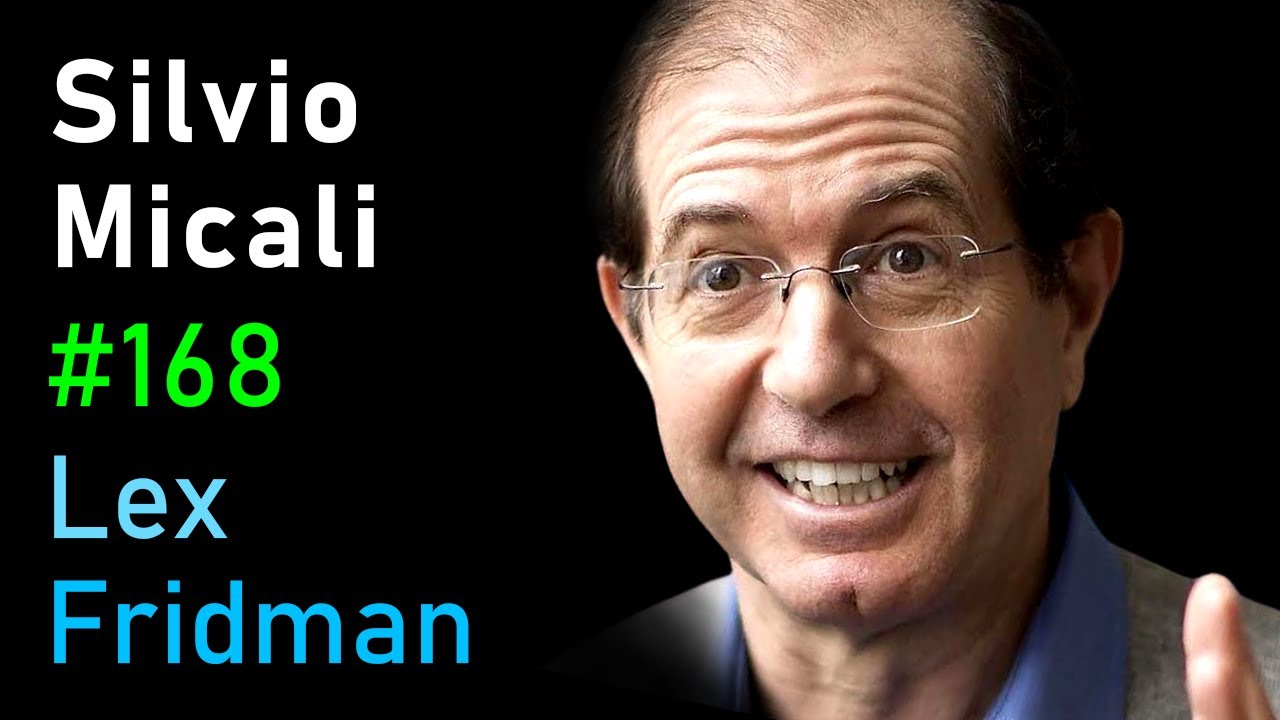
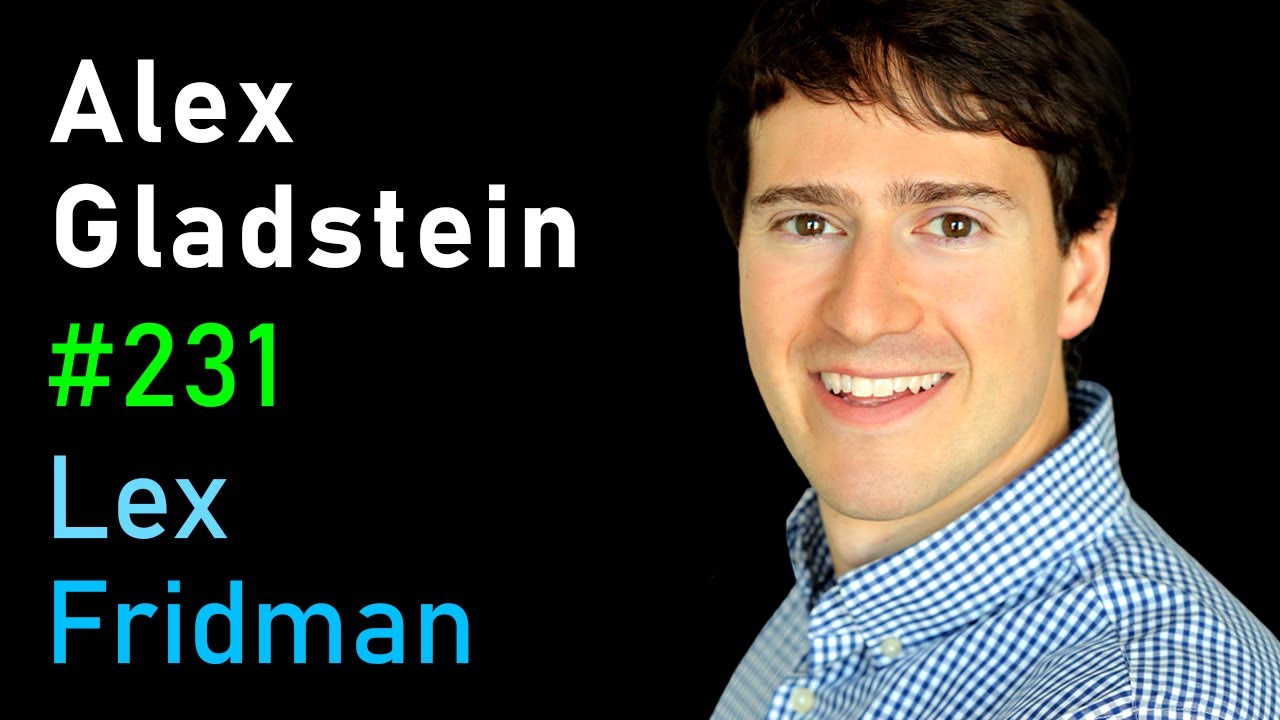
Episodes / Balaji Srinivasan: How to Fix Government, Twitter, Science, ...
Balaji Srinivasan: How to Fix Government, Twitter, Science, and the FDA
05-28-26▶ 7h 47m📖 18 min read
Core Takeaways
Balaji Srinivasan proposes 'network states' as digital communities that could eventually gain diplomatic recognition and crowdfund territory.
▶ 2:15:00
Why it mattersNetwork states could redefine governance by allowing digital communities to operate like sovereign nations, challenging traditional state structures.
Srinivasan argues that the FDA's regulatory approach delays innovation, estimating early vaccines could have saved a million lives.
▶ 3:45:00
Why it matters
This critique highlights the potential human cost of regulatory inefficiencies, pressing for reform in health policy.
Why it mattersPseudonymity could empower individuals by providing privacy and reducing bias, reshaping digital identity norms.
Srinivasan claims the FDA's delays in drug approvals lead to more deaths than high-profile medical failures like Theranos.
▶ 4:10:00
Why it matters
This claim underscores the urgency for regulatory reform to prevent unnecessary loss of life due to bureaucratic inertia.
Decentralized systems and blockchain technology are proposed as solutions to the ossification of traditional institutions.
▶ 5:30:00
Why it mattersDecentralization could democratize access to information and innovation, reducing reliance on centralized authorities.
Detailed Insights
Network States
+
•
Network states are proposed as digital communities that could gain diplomatic recognition.
•
These states could crowdfund territory, challenging traditional nation-state models.
•
The concept suggests a shift towards decentralized governance.
Regulatory Reform
+
•
The FDA's regulatory approach is critiqued for delaying innovation.
•
Early vaccine availability could have saved lives, highlighting regulatory inefficiencies.
•
Decentralized systems are proposed as alternatives to traditional regulation.
Pseudonymity and Digital Identity
+
•
Pseudonymity is seen as a form of decentralization, detaching identities from state control.
•
It can reduce bias and increase privacy in digital interactions.
•
The ENS could serve as a more effective online identifier than traditional names.
Decentralization and Innovation
+
•
Decentralized systems and blockchain are seen as solutions to institutional ossification.
•
Blockchain technology could enable reproducibility and transparency in scientific research.
•
Decentralization could democratize access to information and innovation.
How the conversation moved
Lex Fridman opens the discussion by framing the question of how to reform various institutions, including government and science, in the digital age. Balaji Srinivasan introduces the concept of 'network states,' digital communities that could gain diplomatic recognition and crowdfund territory. This idea challenges traditional notions of statehood and governance, suggesting a shift towards decentralized systems.
Srinivasan argues that current regulatory frameworks, particularly the FDA's, hinder innovation and delay life-saving solutions. He estimates that early vaccine availability, facilitated by challenge trials, could have saved about a million lives during the pandemic. This critique highlights the potential human cost of regulatory inefficiencies and underscores the need for reform in health policy.
Lex doesn't challenge the framing here, though the obvious counter-position would be to argue that regulatory bodies like the FDA ensure safety and efficacy, preventing harm from untested solutions. The conversation could have explored the balance between innovation and safety, but it remained focused on the inefficiencies of current systems.
The discussion concludes by exploring the broader implications of decentralization, including pseudonymity as a form of digital identity that detaches from state control. Srinivasan proposes blockchain and decentralized systems as solutions to the ossification of traditional institutions, suggesting a future where innovation and governance are democratized.
Surprising moments
Balaji Srinivasan
Srinivasan claims the FDA's delays in drug approvals lead to more deaths than high-profile medical failures like Theranos.
Lex Fridman describes pseudonymity as a form of decentralization, challenging traditional identity norms.
Topics Covered
Network StatesRegulatory ReformPseudonymity and Digital IdentityDecentralization and Innovation
Memorable Quotes
"A rat can be trained to turn at every even number or every third number in a maze to get some cheese. But evidently, it can't be trained to turn at prime numbers." — Balaji Srinivasan
"Pseudonymity is itself a form of decentralization." — Lex Fridman
"The check on that power is crypto and its property rights and its decentralization, right?" — Lex Fridman
Still open
Unresolved by the end of the conversation
Balaji Srinivasan questions whether decentralized systems can effectively replace traditional regulatory frameworks like the FDA.
Lex Fridman asks if network states could realistically gain diplomatic recognition and operate as sovereign entities.
Jargon glossary
network state
A highly aligned online community capable of collective action that can crowdfund territory and gain diplomatic recognition.
pseudonymity
A form of decentralization allowing individuals to create identities detached from state control.
blockchain
A decentralized digital ledger used for recording transactions across many computers.
AI-generated summary
· last refreshed
2026-06-10 23:28:47
· how we make these
Quotes are matched verbatim against the source transcript; references are checked to resolve to real URLs. Even so, AI can misread structure or attribute claims imperfectly. If you spot an error, please let us know.
Report an inaccuracy →
Free weekly summary · one Lex Fridman episode, every Friday.