Andrew Bustamante: CIA Spy
Core Takeaways
The President's Daily Brief (PDB) is a critical CIA document, often 50-125 pages, tailored to the President's interests.
▶ 2:00
Why it matters
The PDB's customization reflects the President's influence on national security priorities, impacting global intelligence strategies.
CIA's leadership can be compromised by cronyism, affecting its effectiveness and truth communication.
▶ 3:30
Why it matters
Cronyism in CIA leadership can lead to biased intelligence, affecting national security decisions.
Putin's intelligence services are deemed effective, influencing his strategic success in Ukraine.
▶ 5:00
Why it matters
Effective intelligence services give Putin a strategic edge, challenging Western influence.
Polygraphs detect physiological changes, not lies, offering insights into a subject's sensitivity.
▶ 15:00
Why it matters
This reveals the limitations of polygraphs, questioning their reliability in intelligence operations.
Ask this episode Deep
A preview of how Deep chat answers, grounded in this episode with citations and timestamps:
Cite this episode
For papers, blog posts, anywhere.
Related episodes
Where to go next from this conversation.
More on these ideas
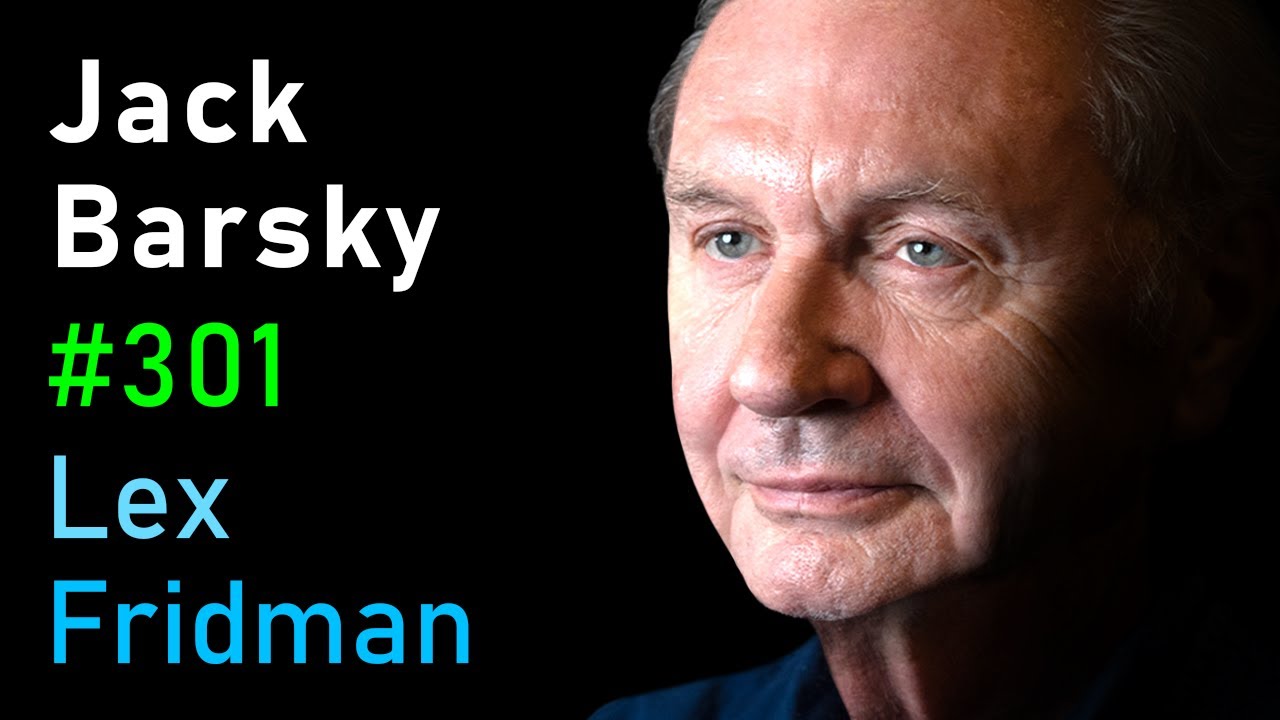 Jack Barsky: KGB Spy
Shares espionage
3h 37m
Jack Barsky: KGB Spy
Shares espionage
3h 37m
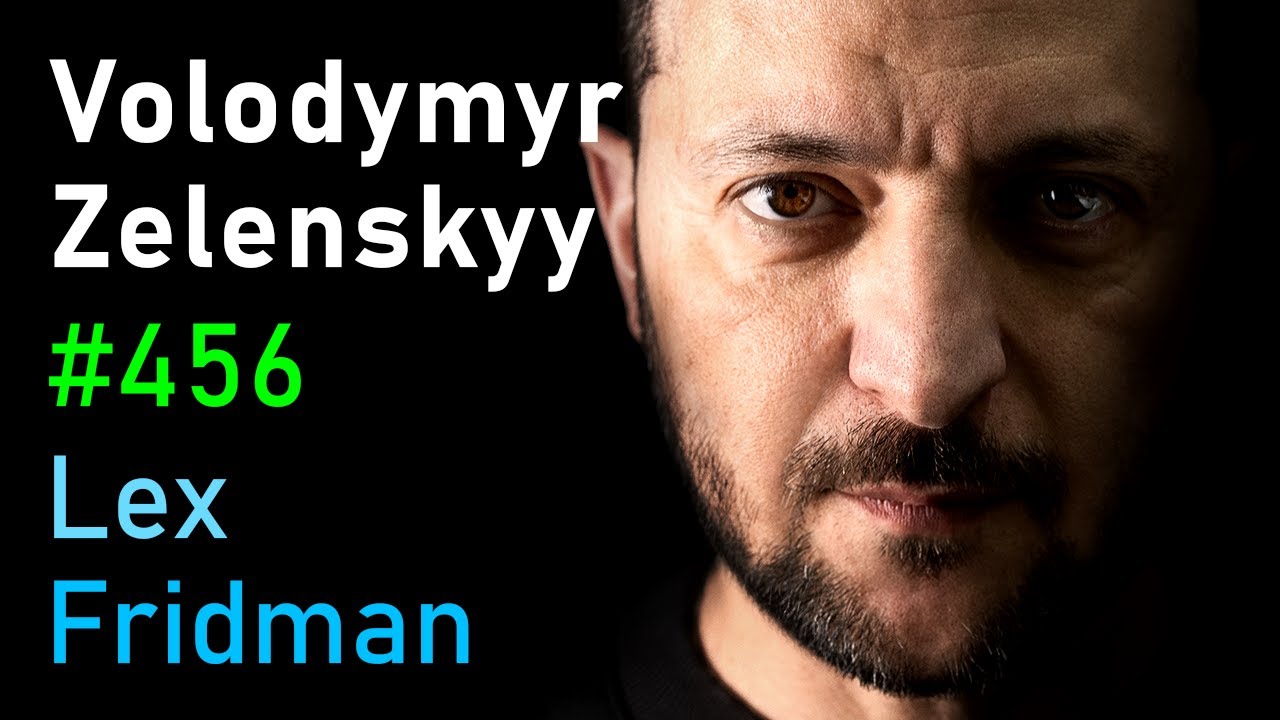 Volodymyr Zelenskyy: Ukraine, War, Peace, Putin, Trump, NATO, and Freedom
More like this
3h 6m
Volodymyr Zelenskyy: Ukraine, War, Peace, Putin, Trump, NATO, and Freedom
More like this
3h 6m
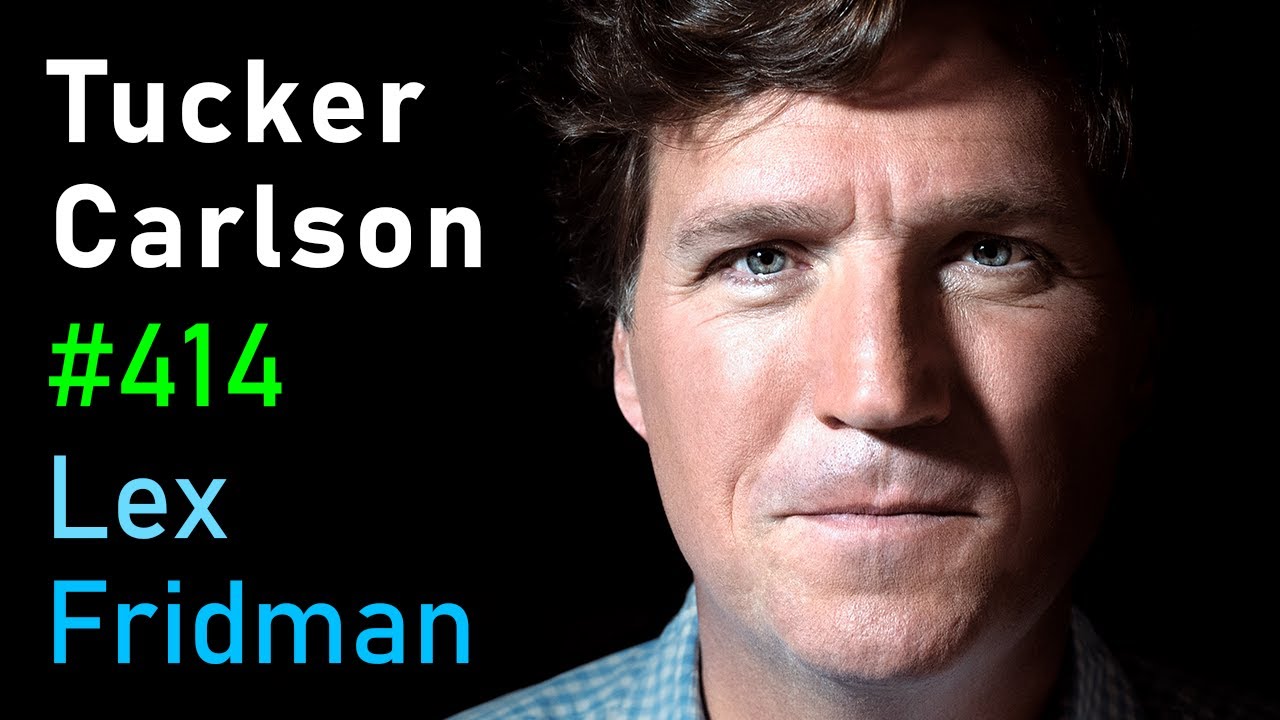 Tucker Carlson: Putin, Navalny, Trump, CIA, NSA, War, Politics & Freedom
Shares CIA
3h 4m
Tucker Carlson: Putin, Navalny, Trump, CIA, NSA, War, Politics & Freedom
Shares CIA
3h 4m
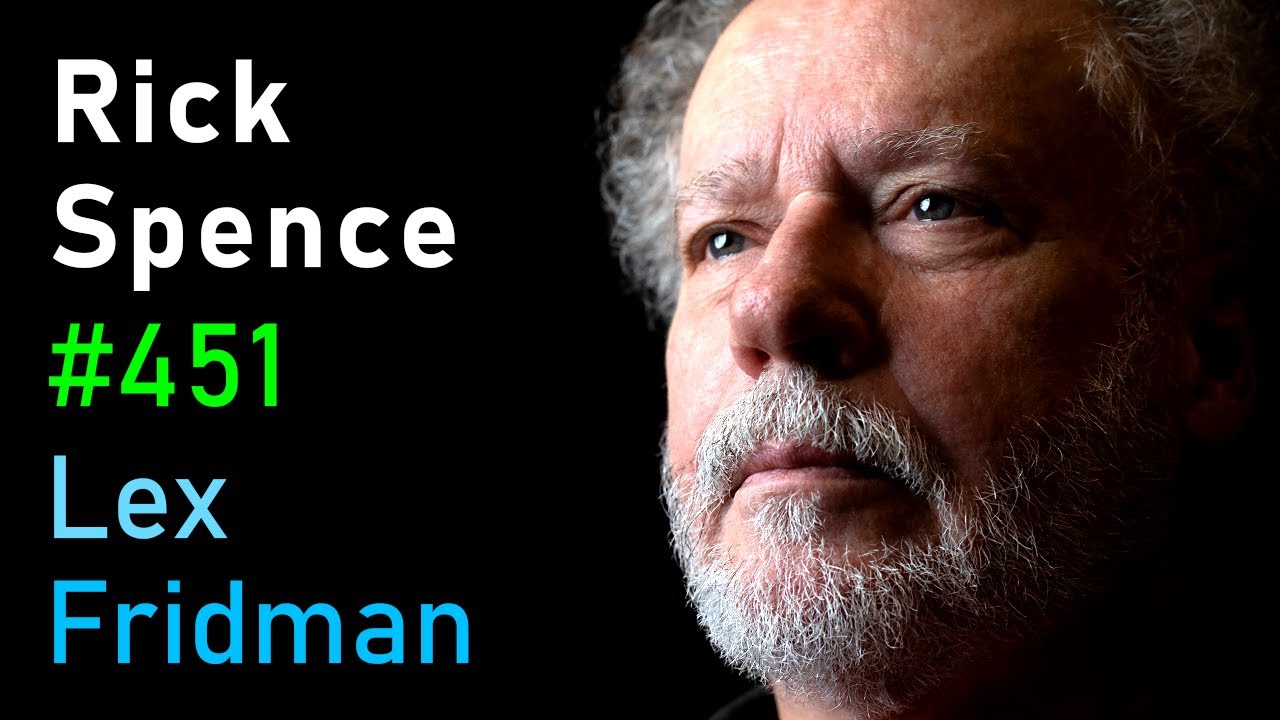 Rick Spence: CIA, KGB, Illuminati, Secret Societies, Cults & Conspiracies
More like this
3h 28m
Rick Spence: CIA, KGB, Illuminati, Secret Societies, Cults & Conspiracies
More like this
3h 28m
AI-generated summary · last refreshed 2026-06-06 19:29:20 · how we make these
Quotes are matched verbatim against the source transcript; references are checked to resolve to real URLs. Even so, AI can misread structure or attribute claims imperfectly. If you spot an error, please let us know.