Steve Keen: Marxism, Capitalism, and Economics
Core Takeaways
Steve Keen critiques the reliance on equilibrium models in economics, advocating for dynamic systems modeling instead.
Why it matters
This shift could lead to more accurate predictions of economic crises and better policy responses.
Marx's labor theory of value is critiqued for ignoring the value added by machines, contradicting his own logic.
▶ 1:23:45
Why it matters
Acknowledging machine value could reshape how surplus value and profit are understood in Marxist economics.
China's economic model combines centralized political control with entrepreneurial freedom, contrasting with Western capitalism.
▶ 1:23:45
Why it matters
China's approach offers an alternative path to economic growth that challenges neoliberal assumptions.
The Great Moderation was a misinterpretation, as credit cycles significantly impact aggregate demand.
▶ 1:23:45
Why it matters
Recognizing credit's role in demand could alter fiscal policy and prevent future financial crises.
Climate change models often overlook critical factors like precipitation, leading to flawed economic predictions.
▶ 1:23:45
Why it matters
Improved models are essential for preparing effective climate change mitigation strategies.
Ask this episode Deep
A preview of how Deep chat answers, grounded in this episode with citations and timestamps:
Cite this episode
For papers, blog posts, anywhere.
Related episodes
Where to go next from this conversation.
More on these ideas
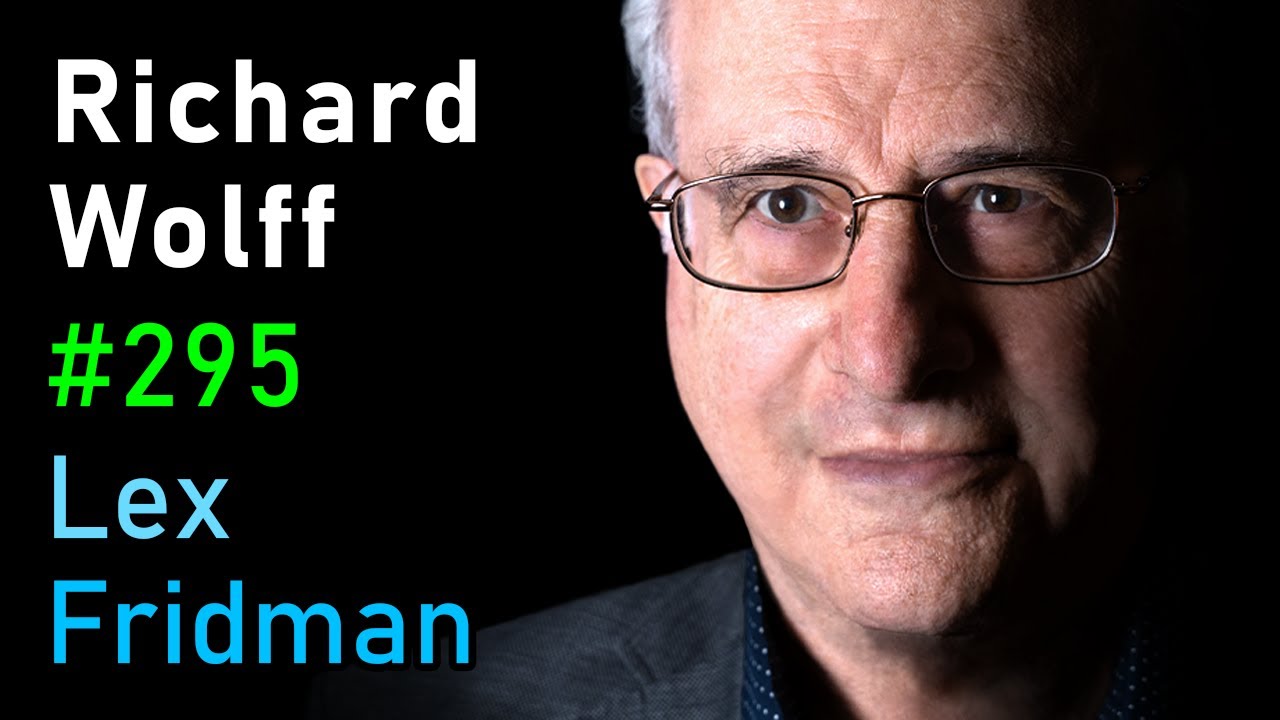 Richard Wolff: Marxism and Communism
Shares Marxism, capitalism
2h 53m
Richard Wolff: Marxism and Communism
Shares Marxism, capitalism
2h 53m
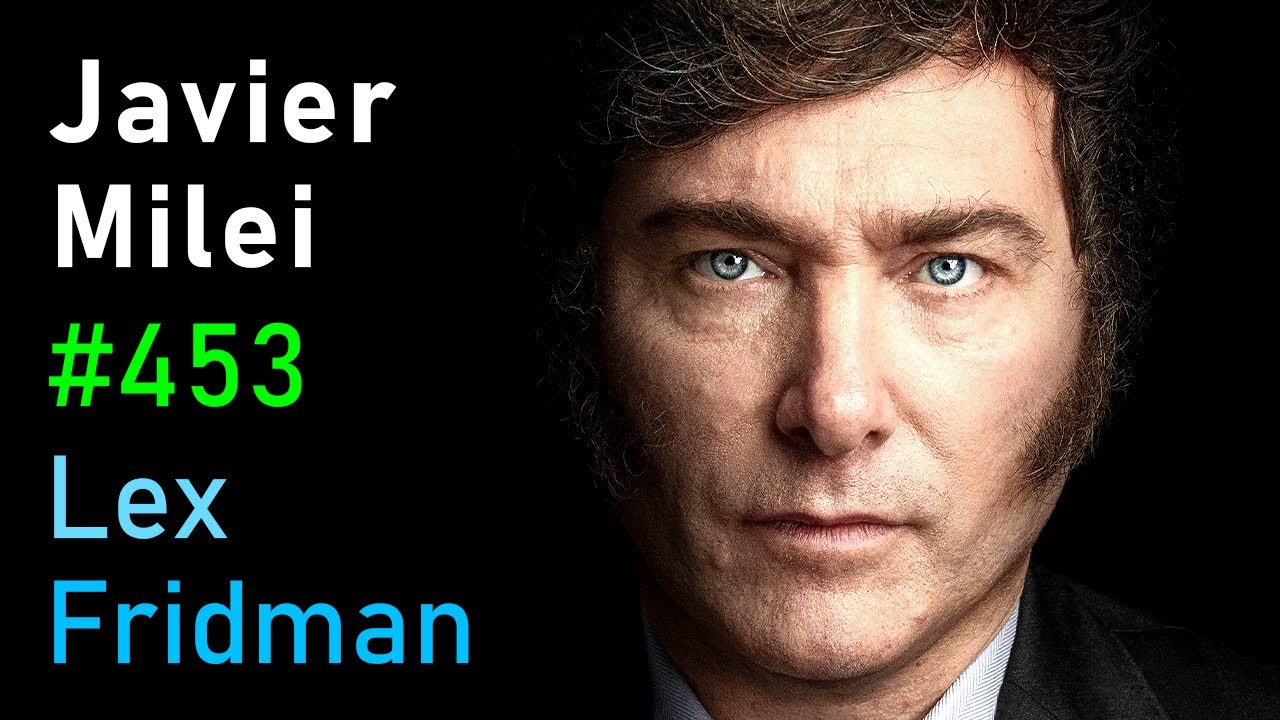 Javier Milei: President of Argentina - Freedom, Economics, and Corruption
Shares capitalism
1h 57m
Javier Milei: President of Argentina - Freedom, Economics, and Corruption
Shares capitalism
1h 57m
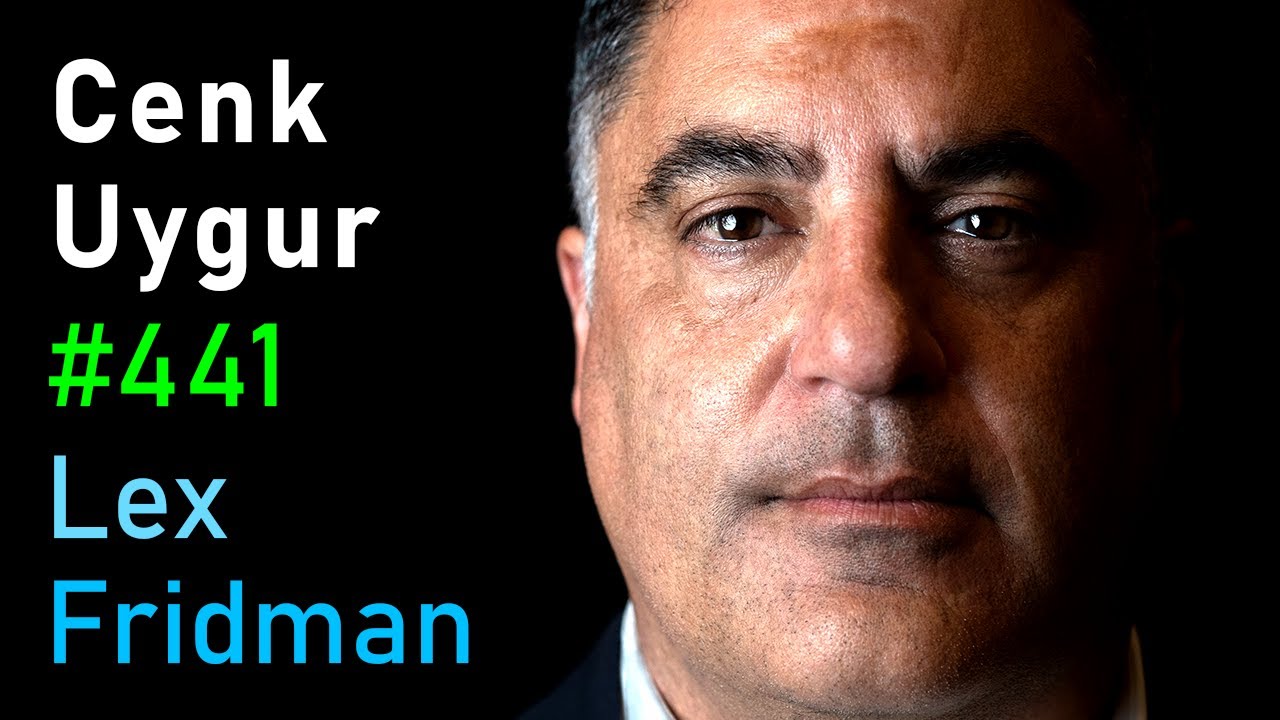 Cenk Uygur: Trump vs Harris, Progressive Politics, Communism & Capitalism
Shares capitalism
4h 10m
Cenk Uygur: Trump vs Harris, Progressive Politics, Communism & Capitalism
Shares capitalism
4h 10m
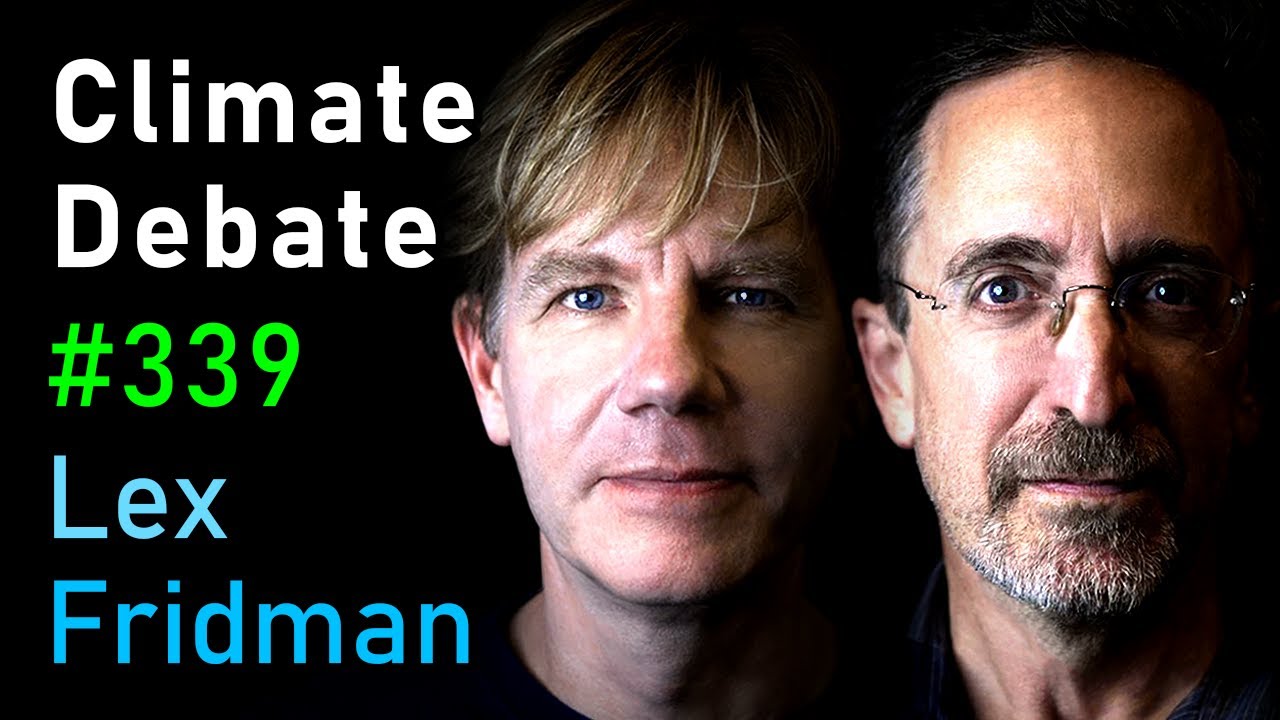 Climate Change Debate: Bjørn Lomborg and Andrew Revkin
Shares climate change
4h 11m
Climate Change Debate: Bjørn Lomborg and Andrew Revkin
Shares climate change
4h 11m
AI-generated summary · last refreshed 2026-06-06 19:39:55 · how we make these
Quotes are matched verbatim against the source transcript; references are checked to resolve to real URLs. Even so, AI can misread structure or attribute claims imperfectly. If you spot an error, please let us know.