Michael Saylor: Bitcoin, Inflation, and the Future of Money
Core Takeaways
Saylor believes digital education can democratize knowledge, reducing the need for traditional educational structures.
▶ 1:45:00
Why it matters
This could drastically reduce educational costs and increase accessibility, potentially transforming global educational systems.
Saylor critiques government policies as inherently inflationary, leading to inefficiencies and economic distortion.
▶ 45:00
Why it matters
If government policies are inherently inflationary, this could necessitate a reevaluation of fiscal strategies and economic governance.
Ask this episode Deep
A preview of how Deep chat answers, grounded in this episode with citations and timestamps:
Cite this episode
For papers, blog posts, anywhere.
Related episodes
Where to go next from this conversation.
More on these ideas
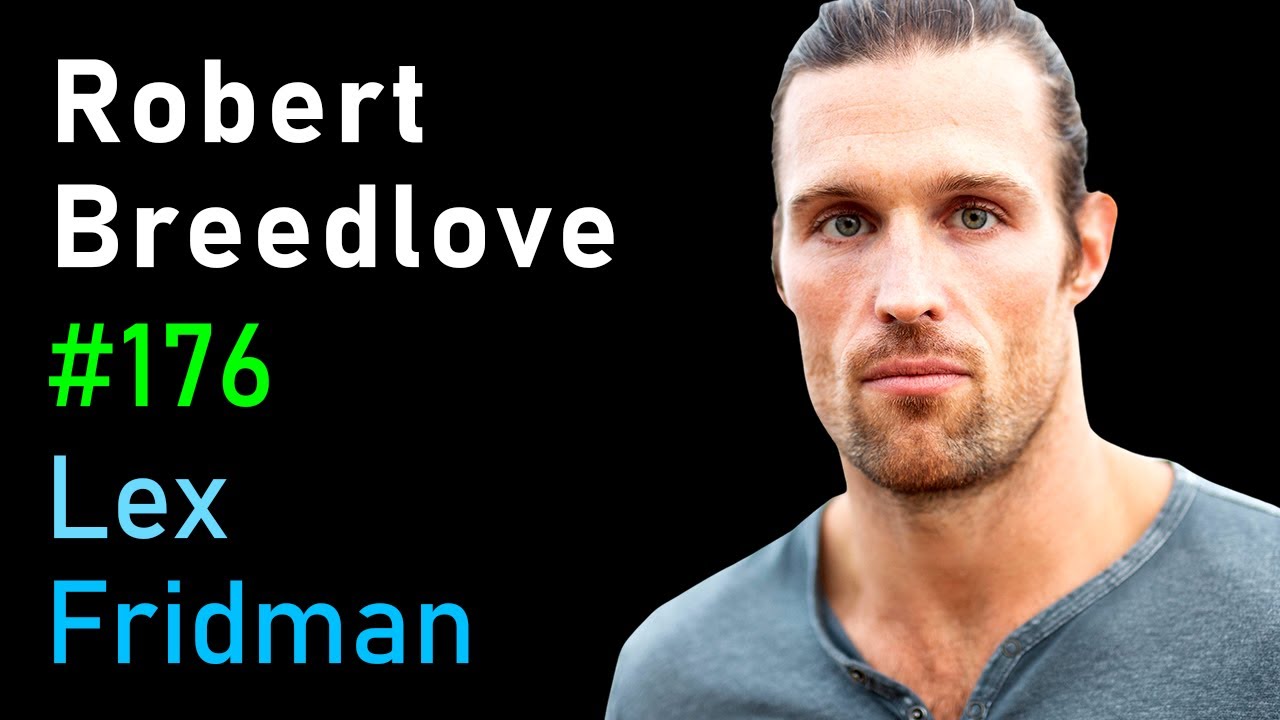 Robert Breedlove: Philosophy of Bitcoin from First Principles
Shares inflation, Bitcoin
4h 3m
Robert Breedlove: Philosophy of Bitcoin from First Principles
Shares inflation, Bitcoin
4h 3m
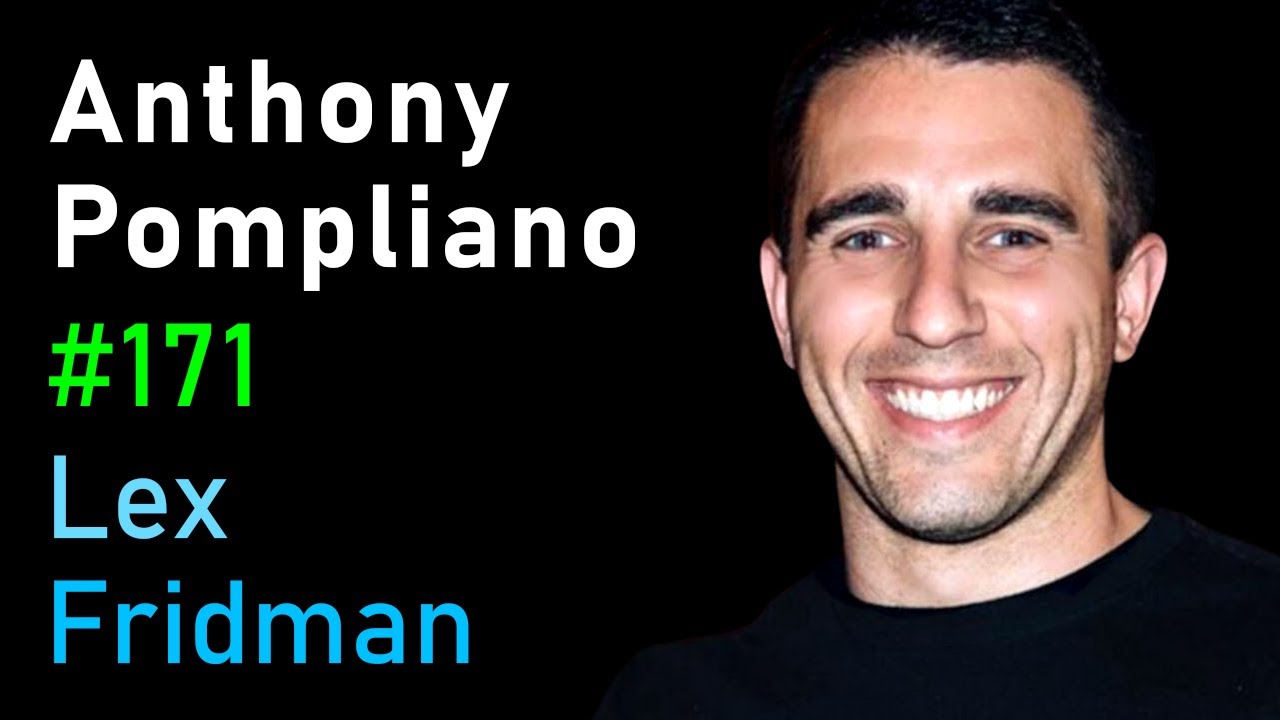 Anthony Pompliano: Bitcoin
Shares Bitcoin
3h 2m
Anthony Pompliano: Bitcoin
Shares Bitcoin
3h 2m
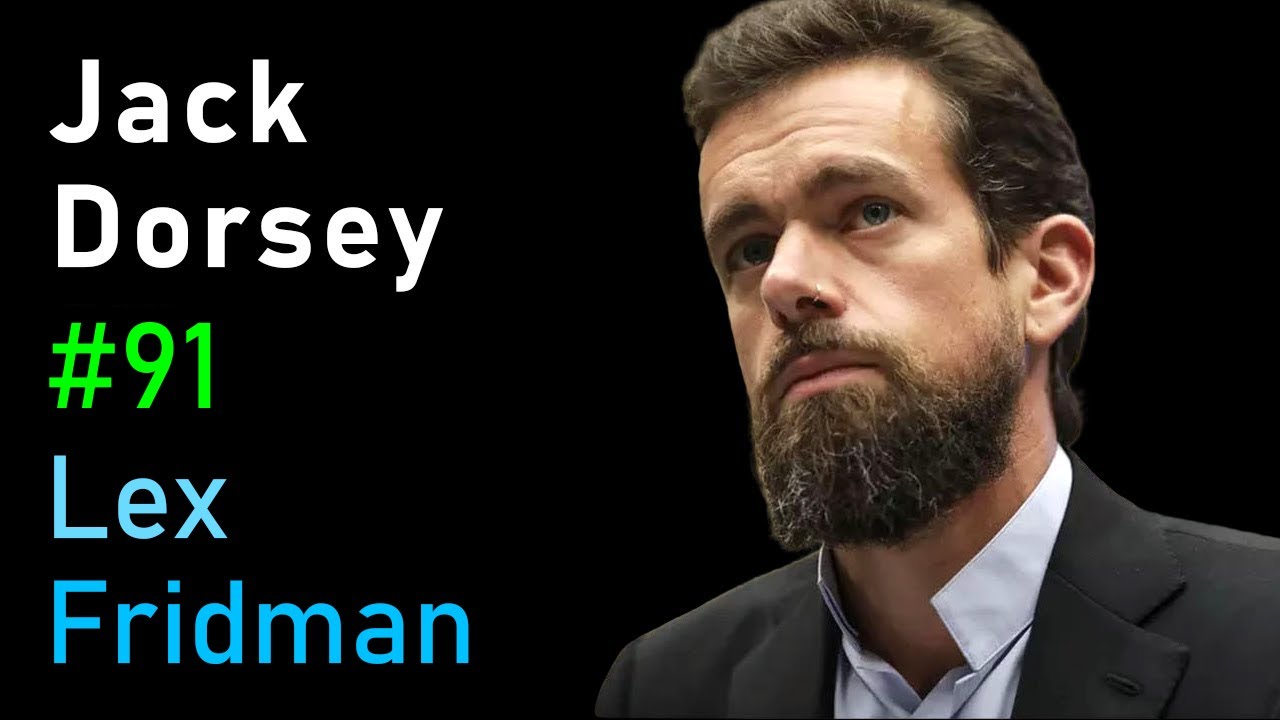 Jack Dorsey: Square, Cryptocurrency, and Artificial Intelligence
Shares Bitcoin
51m
Jack Dorsey: Square, Cryptocurrency, and Artificial Intelligence
Shares Bitcoin
51m
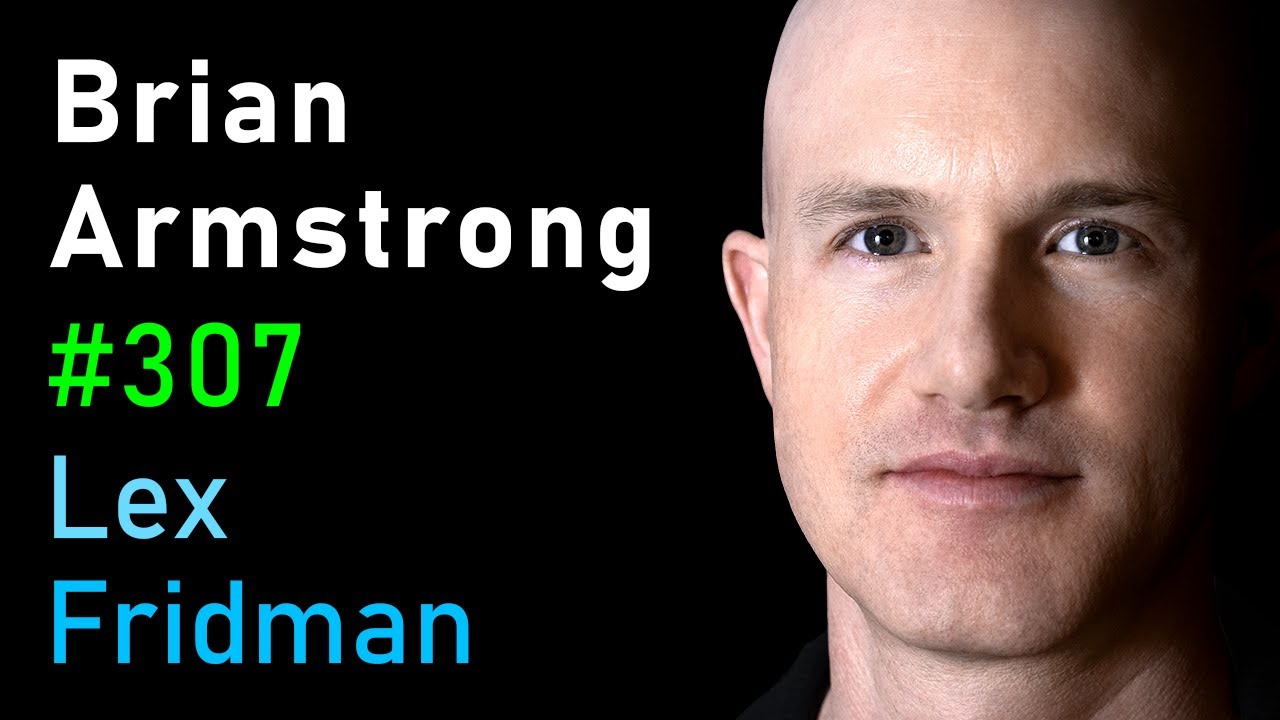 Brian Armstrong: Coinbase, Cryptocurrency, and Government Regulation
Shares Bitcoin
2h 29m
Brian Armstrong: Coinbase, Cryptocurrency, and Government Regulation
Shares Bitcoin
2h 29m
AI-generated summary · last refreshed 2026-05-28 14:21:11 · how we make these
Quotes are matched verbatim against the source transcript; references are checked to resolve to real URLs. Even so, AI can misread structure or attribute claims imperfectly. If you spot an error, please let us know.