Robert Proctor: Nazi Science and Ideology
Core Takeaways
Nazi science was not anti-science but targeted 'Jewish' and 'communist' science, aligning with Nazi ideology.
▶ 3:00
Why it matters
This selective anti-science stance shows how ideology can distort scientific integrity, impacting historical and modern contexts.
Physicians joined the Nazi party and SS in high numbers, indicating a deep ideological alignment with Nazi policies.
▶ 1:20:00
Why it matters
This participation underscores the ethical dilemmas faced by medical professionals under oppressive regimes.
Cigarettes have killed more people than nuclear bombs, highlighting the deadly impact of tobacco.
▶ 2:10:00
Why it matters
This statistic underscores the need for stronger public health policies against tobacco.
The tobacco industry has manipulated culture and public perception, maintaining its influence despite known health risks.
▶ 2:30:00
Why it matters
Understanding these tactics is crucial for countering similar manipulations in other industries.
Censorship of scientific and ideological content can backfire, making banned material more appealing.
▶ 3:45:00
Why it matters
Understanding the dynamics of censorship is vital for developing effective communication strategies in a polarized society.
Ask this episode Deep
A preview of how Deep chat answers, grounded in this episode with citations and timestamps:
Cite this episode
For papers, blog posts, anywhere.
Related episodes
Where to go next from this conversation.
More on these ideas
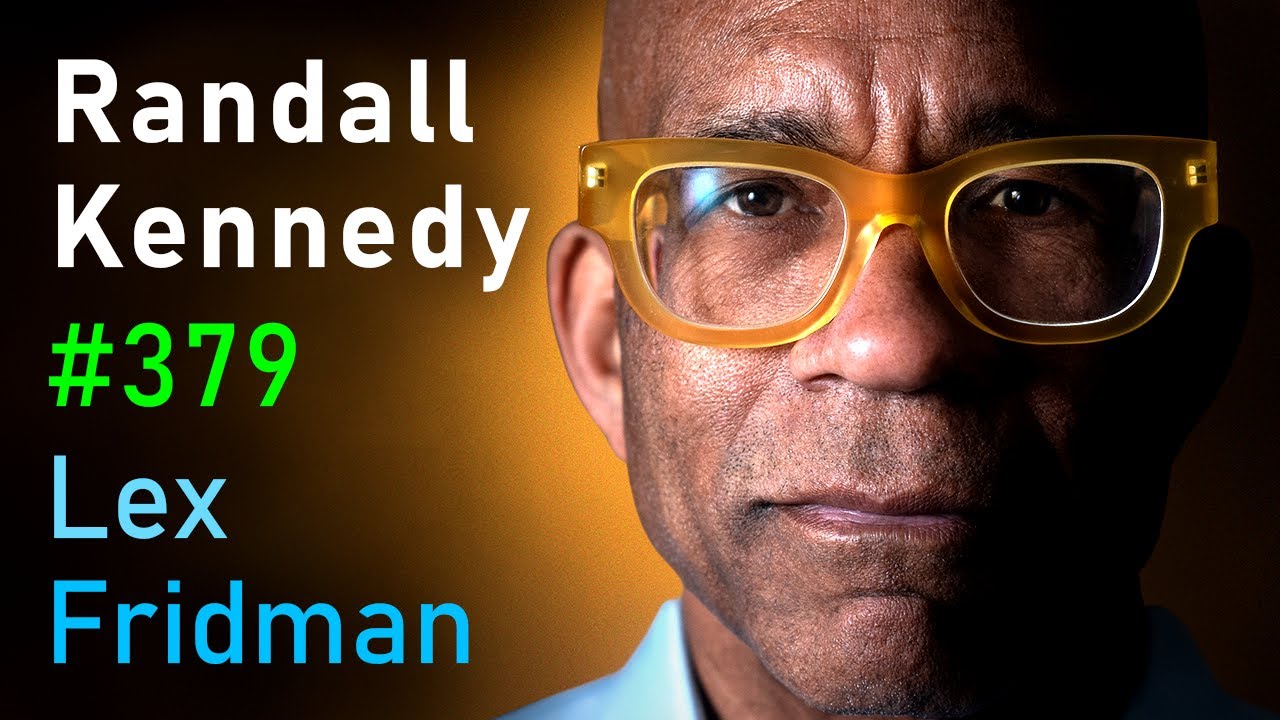 Randall Kennedy: The N-Word - History of Race, Law, Politics, and Power
Shares censorship
3h 10m
Randall Kennedy: The N-Word - History of Race, Law, Politics, and Power
Shares censorship
3h 10m
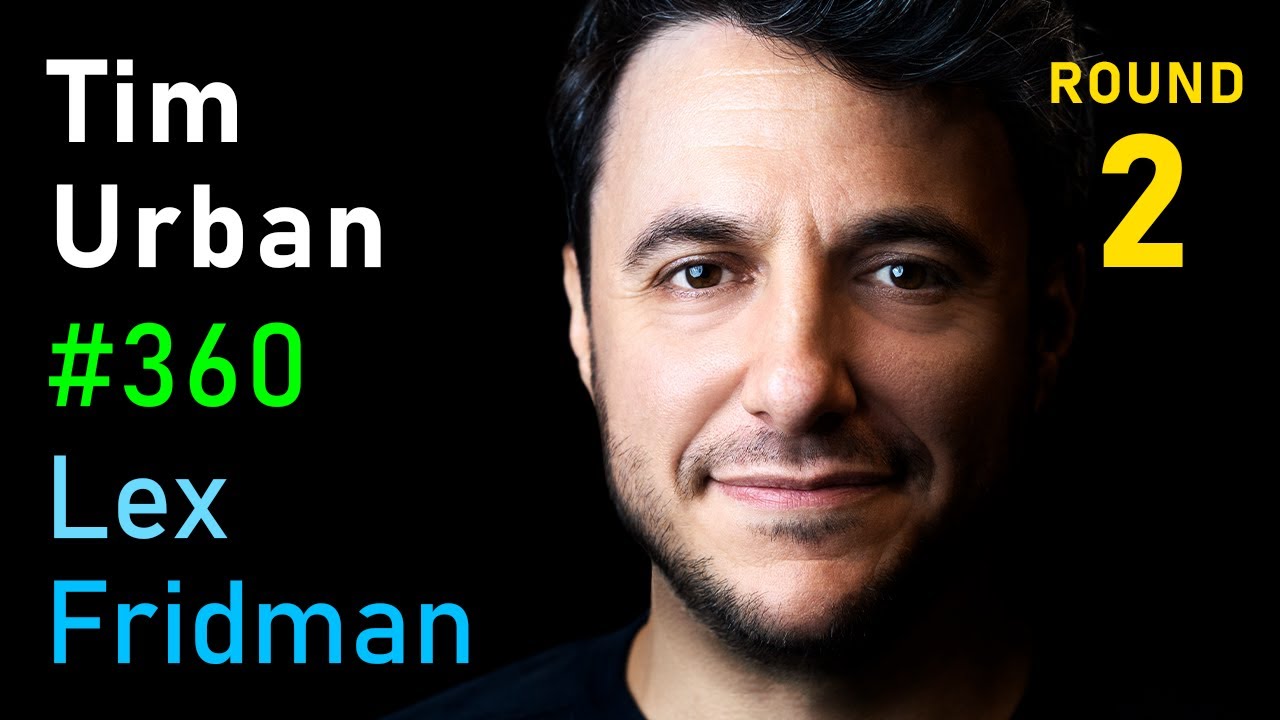 Tim Urban: Tribalism, Marxism, Liberalism, Social Justice, and Politics
Shares censorship
3h 7m
Tim Urban: Tribalism, Marxism, Liberalism, Social Justice, and Politics
Shares censorship
3h 7m
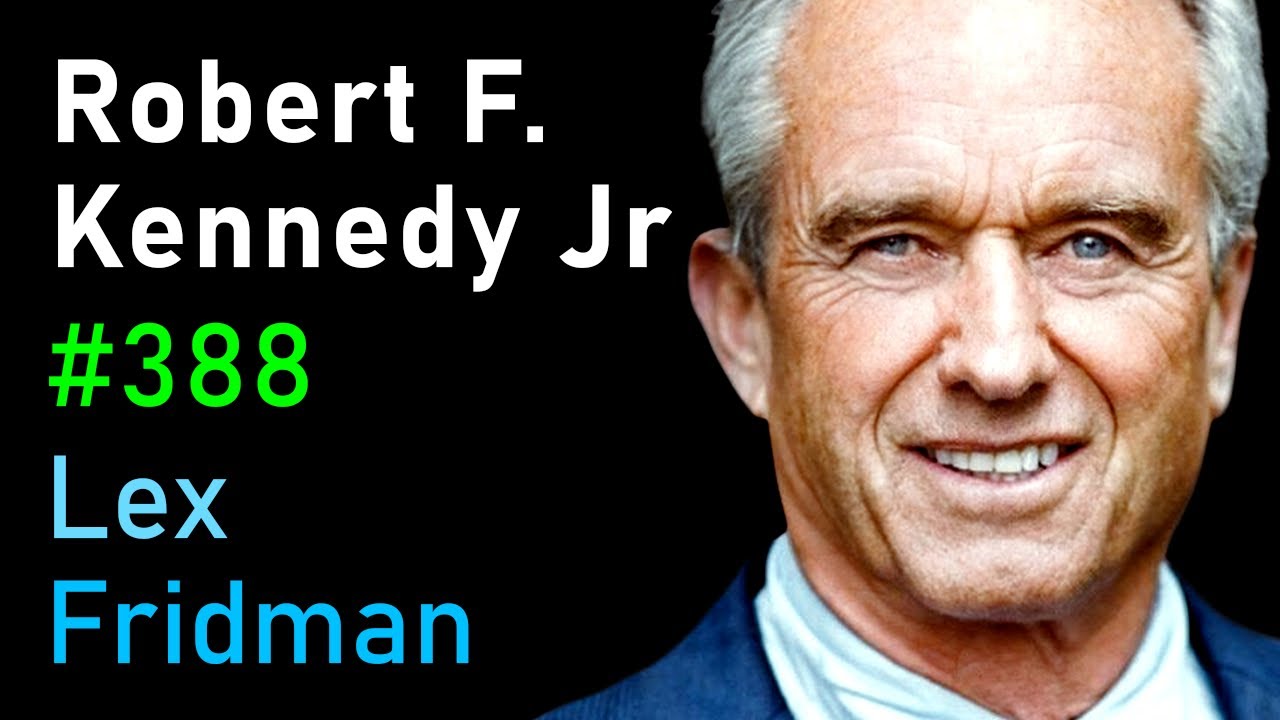 Robert F. Kennedy Jr: CIA, Power, Corruption, War, Freedom, and Meaning
More like this
2h 28m
Robert F. Kennedy Jr: CIA, Power, Corruption, War, Freedom, and Meaning
More like this
2h 28m
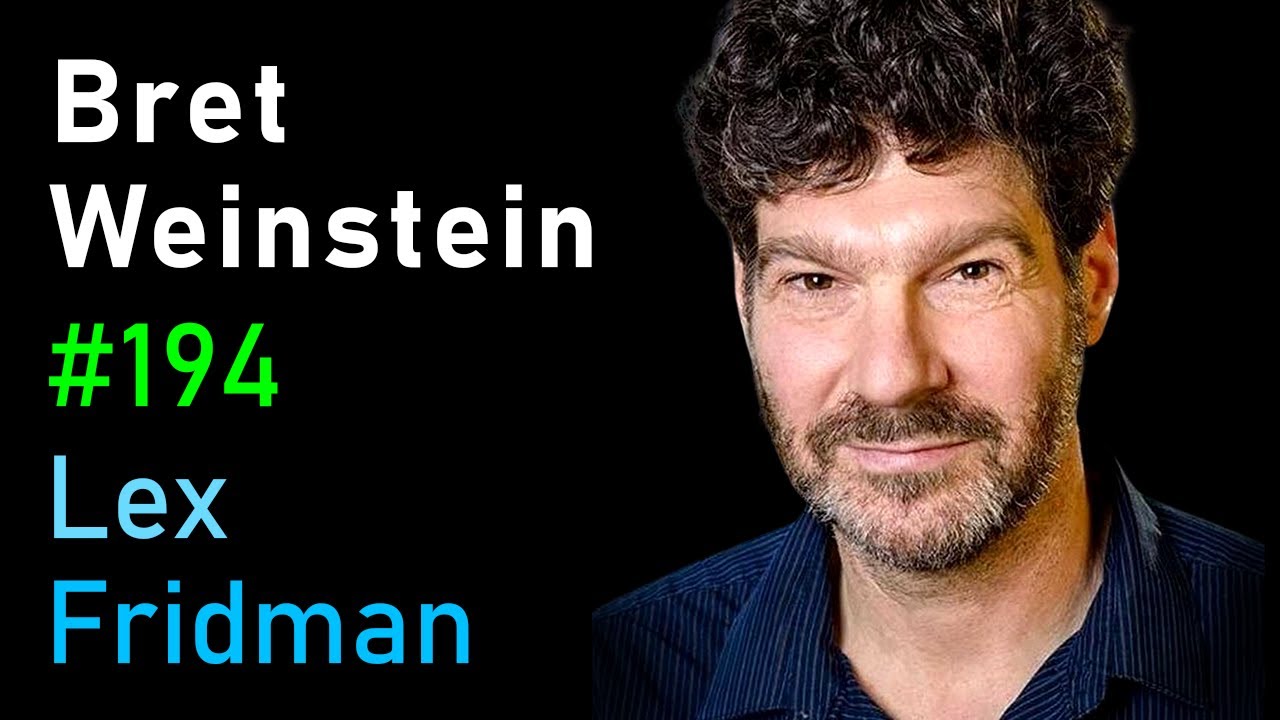 Bret Weinstein: Truth, Science, and Censorship in the Time of a Pandemic
Shares censorship
3h 17m
Bret Weinstein: Truth, Science, and Censorship in the Time of a Pandemic
Shares censorship
3h 17m
AI-generated summary · last refreshed 2026-06-11 00:25:53 · how we make these
Quotes are matched verbatim against the source transcript; references are checked to resolve to real URLs. Even so, AI can misread structure or attribute claims imperfectly. If you spot an error, please let us know.