Thomas Tull: From Batman Dark Knight Trilogy to AI and The Rolling Stones
Core Takeaways
Thomas Tull raised institutional capital for films, transforming the $30 billion movie industry by reducing reliance on individual investors.
▶ 2:00
Why it matters
Institutional capital allows for larger, long-term investments, stabilizing the film industry against the volatility of individual funding.
Netflix's model of balancing constraints and freedom has enabled revolutionary content creation, challenging traditional studios.
▶ 15:00
Why it matters
Netflix's success suggests that traditional studios may need to adapt or face obsolescence in the evolving content landscape.
The Rolling Stones' 60-year career exemplifies longevity in music, with Mick Jagger's fitness routine contributing to their sustained success.
▶ 1:10:00
Why it matters
The Rolling Stones' enduring success highlights the importance of adaptability and dedication in maintaining relevance in the music industry.
Thomas Tull emphasizes the importance of legacy and integrity in sports team ownership, beyond mere profitability.
▶ 1:20:00
Why it matters
Tull's approach to sports ownership underscores the role of ethical stewardship in maintaining a team's cultural and community significance.
Ask this episode Deep
A preview of how Deep chat answers, grounded in this episode with citations and timestamps:
Cite this episode
For papers, blog posts, anywhere.
Related episodes
Where to go next from this conversation.
More on these ideas
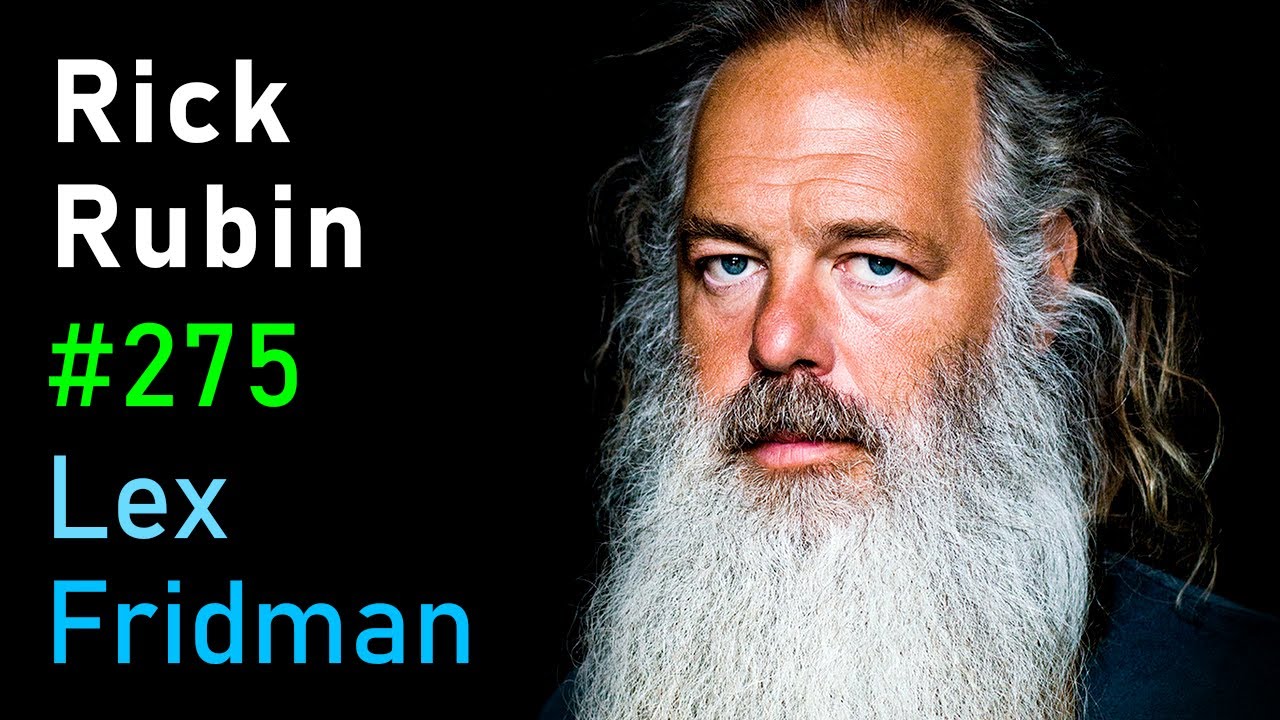 Rick Rubin: Legendary Music Producer
Shares music
2h 4m
Rick Rubin: Legendary Music Producer
Shares music
2h 4m
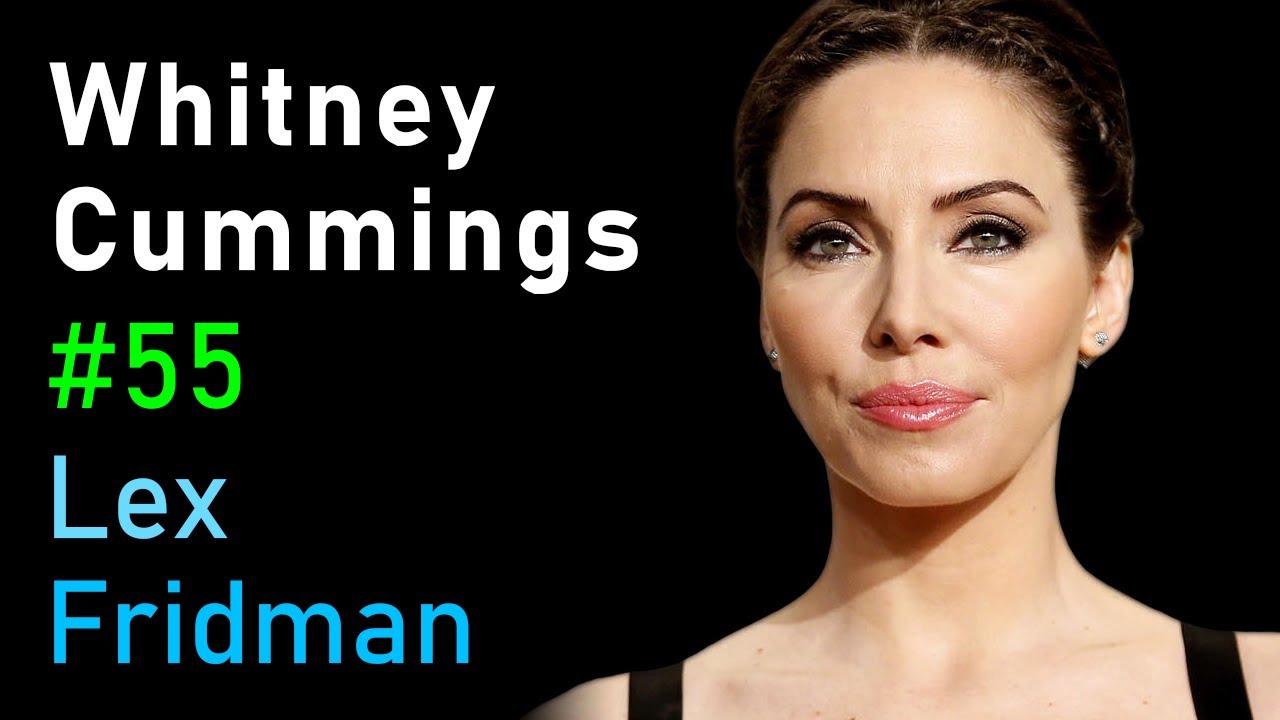 Whitney Cummings: Comedy, Robotics, Neurology, and Love
Shares AI
1h 16m
Whitney Cummings: Comedy, Robotics, Neurology, and Love
Shares AI
1h 16m
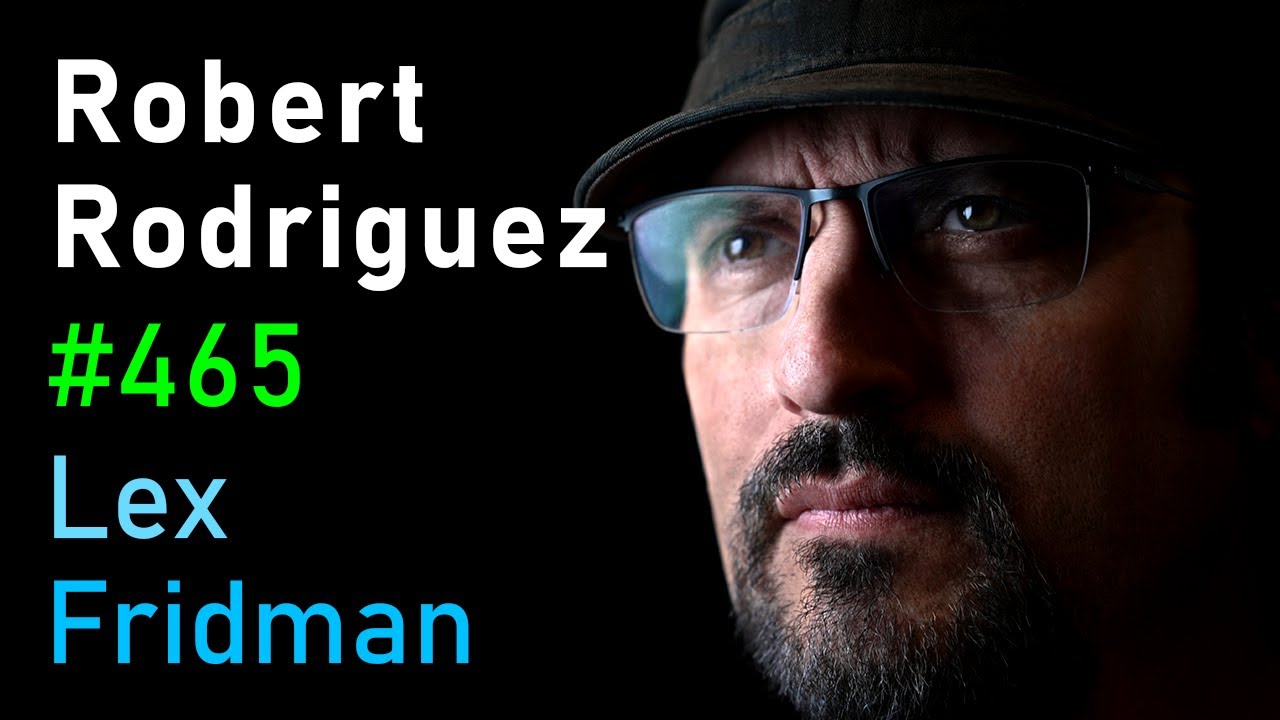 Robert Rodriguez: Sin City, Desperado, El Mariachi, Alita, and Filmmaking
Shares filmmaking
3h 29m
Robert Rodriguez: Sin City, Desperado, El Mariachi, Alita, and Filmmaking
Shares filmmaking
3h 29m
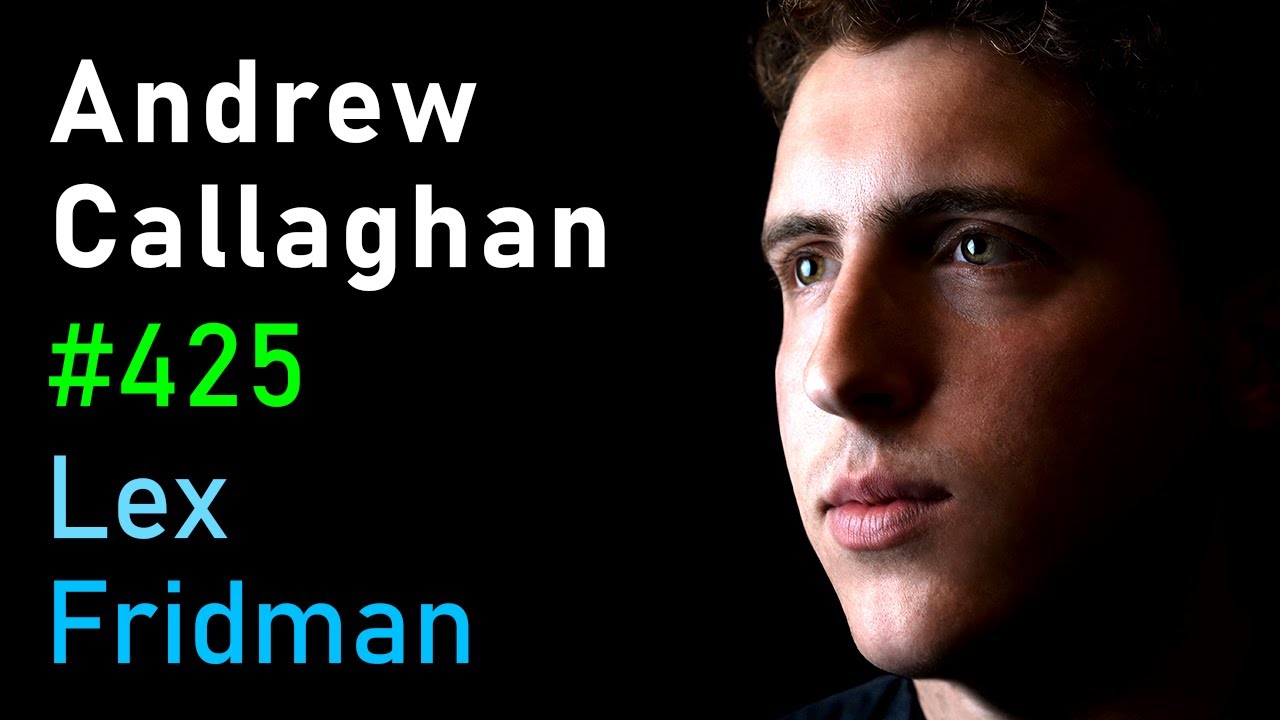 Andrew Callaghan: Channel 5, Gonzo, QAnon, O-Block, Politics & Alex Jones
More like this
2h 51m
Andrew Callaghan: Channel 5, Gonzo, QAnon, O-Block, Politics & Alex Jones
More like this
2h 51m
AI-generated summary · last refreshed 2026-06-05 23:18:34 · how we make these
Quotes are matched verbatim against the source transcript; references are checked to resolve to real URLs. Even so, AI can misread structure or attribute claims imperfectly. If you spot an error, please let us know.