Neal Stephenson: Sci-Fi, Space, Aliens, AI, VR & the Future of Humanity
Core Takeaways
Neal Stephenson argues that human nature's duality persists, as seen in historical patterns like WWII's societal descent into monstrosity.
▶ 1:00
Why it matters
Understanding the persistent duality in human nature can inform strategies to prevent societal regression into violence and division.
Space exploration faces daunting technical and economic hurdles, with interstellar travel requiring non-tangible motivations due to lack of economic viability.
▶ 30:00
Why it matters
The economic and technical challenges of space exploration highlight the need for alternative motivations, potentially reshaping future space policies.
Stephenson suggests solar geoengineering may be initiated by non-Western entities or individuals, challenging the assumption of Western democratic leadership in climate action.
▶ 1:10:00
Why it matters
This challenges the assumption that global climate solutions will come from Western democracies, suggesting a shift in geopolitical power dynamics.
Augmented reality (AR) could surpass virtual reality (VR) in popularity due to its integration with physical reality, despite engineering challenges like real-time SLAM.
▶ 1:40:00
Why it matters
AR's potential to enhance real-world interactions could lead to widespread adoption, influencing future tech development and societal interaction.
Cryptocurrency's potential for societal change lies more in cryptographically enforceable contracts than in the currency itself.
▶ 2:20:00
Why it matters
Cryptographically enforceable contracts could revolutionize legal and economic systems, offering new ways to resolve disputes and enforce agreements.
Ask this episode Deep
A preview of how Deep chat answers, grounded in this episode with citations and timestamps:
Cite this episode
For papers, blog posts, anywhere.
Related episodes
Where to go next from this conversation.
More on these ideas
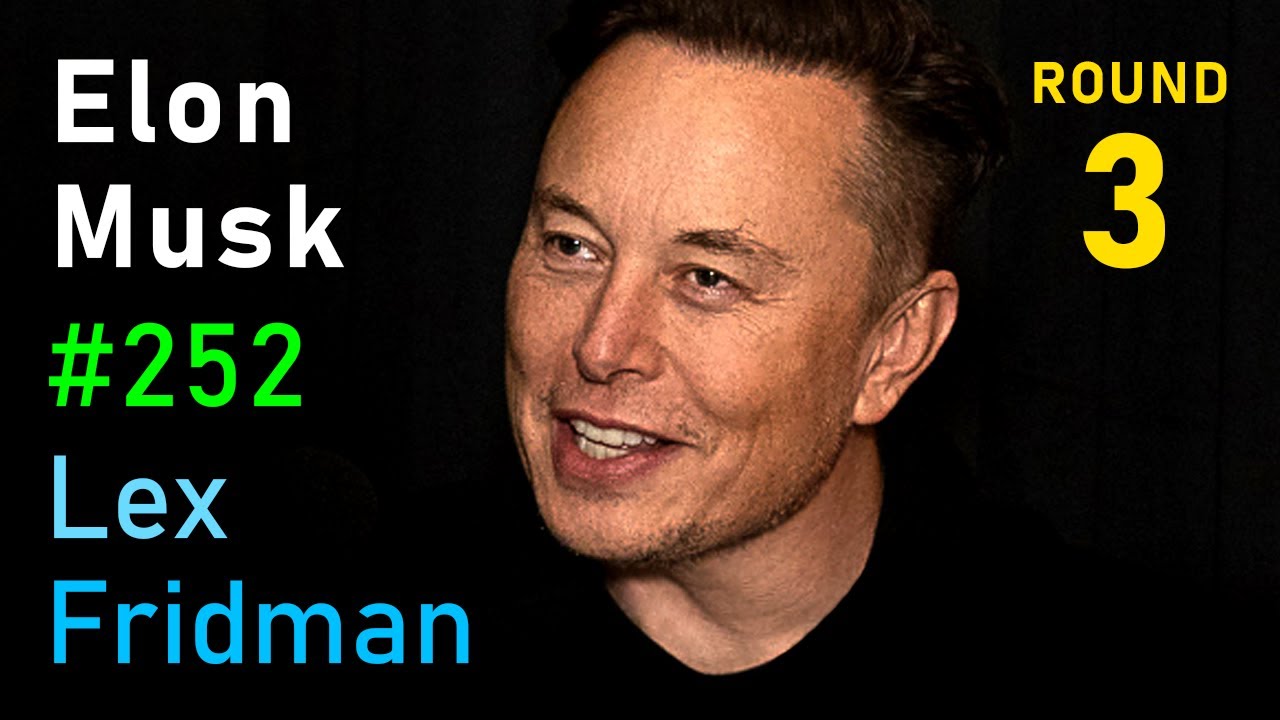 Elon Musk: SpaceX, Mars, Tesla Autopilot, Self-Driving, Robotics, and AI
Shares space exploration, cryptocurrency
2h 31m
Elon Musk: SpaceX, Mars, Tesla Autopilot, Self-Driving, Robotics, and AI
Shares space exploration, cryptocurrency
2h 31m
 Jaron Lanier: Virtual Reality, Social Media & the Future of Humans and AI
Shares cryptocurrency
1h 52m
Jaron Lanier: Virtual Reality, Social Media & the Future of Humans and AI
Shares cryptocurrency
1h 52m
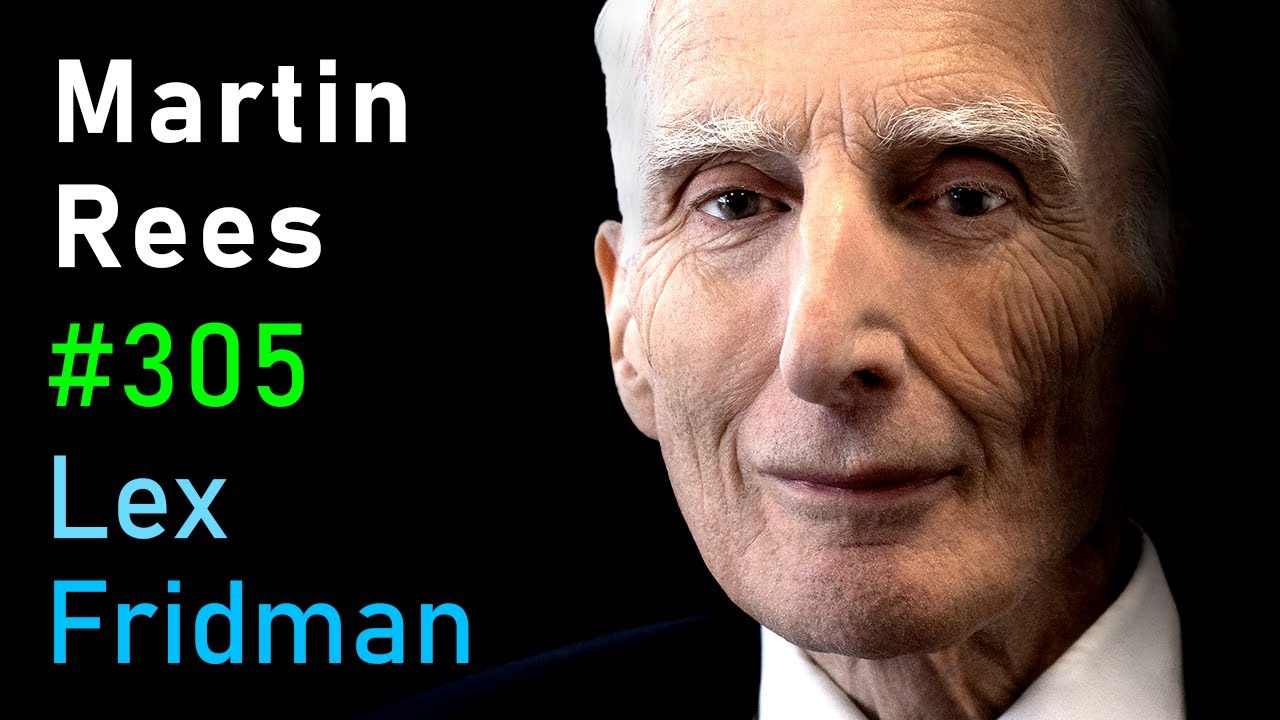 Martin Rees: Black Holes, Alien Life, Dark Matter, and the Big Bang
Shares space exploration
2h 13m
Martin Rees: Black Holes, Alien Life, Dark Matter, and the Big Bang
Shares space exploration
2h 13m
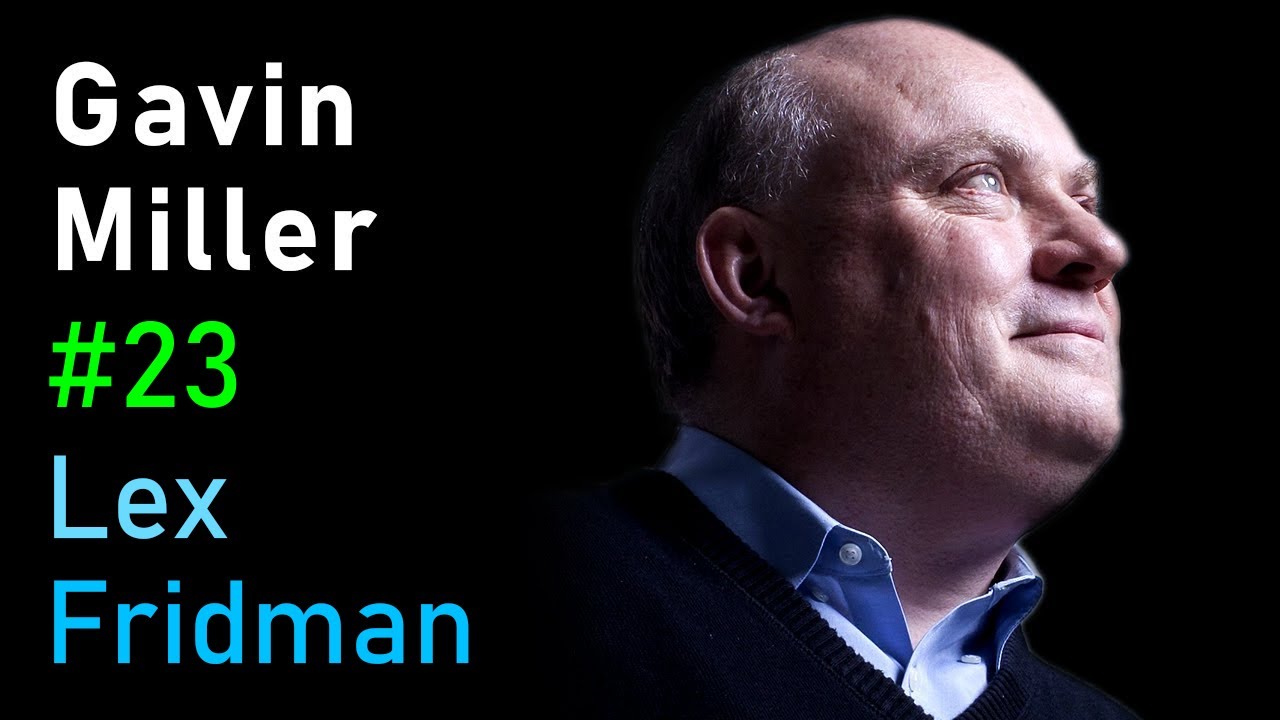 Gavin Miller: Adobe Research
More like this
1h 9m
Gavin Miller: Adobe Research
More like this
1h 9m
AI-generated summary · last refreshed 2026-06-06 03:13:23 · how we make these
Quotes are matched verbatim against the source transcript; references are checked to resolve to real URLs. Even so, AI can misread structure or attribute claims imperfectly. If you spot an error, please let us know.