Dave Plummer: Programming, Autism, and Old-School Microsoft Stories
Core Takeaways
Dave Plummer's early fascination with computers began with the TRS-80 Model 1 at age 11, setting the stage for his software career.
Why it matters
This early exposure to computing technology shaped Plummer's path and contributions to major software developments.
Windows 95's introduction of 32-bit support and a new UI was a market revolution, though Plummer considers OS/360 the most impactful OS.
Why it matters
This shift set a new standard for user experience and functionality, influencing future operating system designs.
Plummer's GitHub Primes project benchmarks prime number algorithms across 100 languages, with Zig outperforming C++ in recent tests.
Why it matters
Benchmarking across languages provides insights into performance optimization and informs language choice for developers.
Ask this episode Deep
A preview of how Deep chat answers, grounded in this episode with citations and timestamps:
Cite this episode
For papers, blog posts, anywhere.
Related episodes
Where to go next from this conversation.
More on these ideas
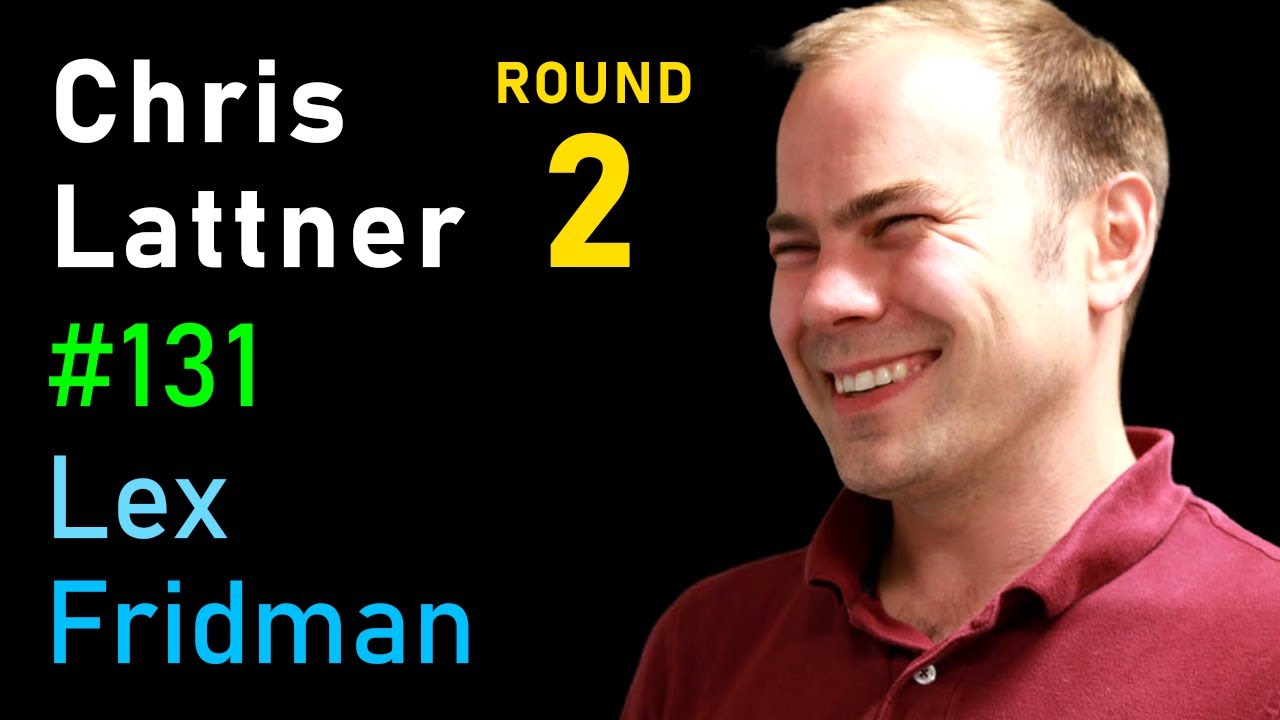 Chris Lattner: The Future of Computing and Programming Languages
Shares programming languages
2h 42m
Chris Lattner: The Future of Computing and Programming Languages
Shares programming languages
2h 42m
 Guido van Rossum: Python
Shares software development
1h 26m
Guido van Rossum: Python
Shares software development
1h 26m
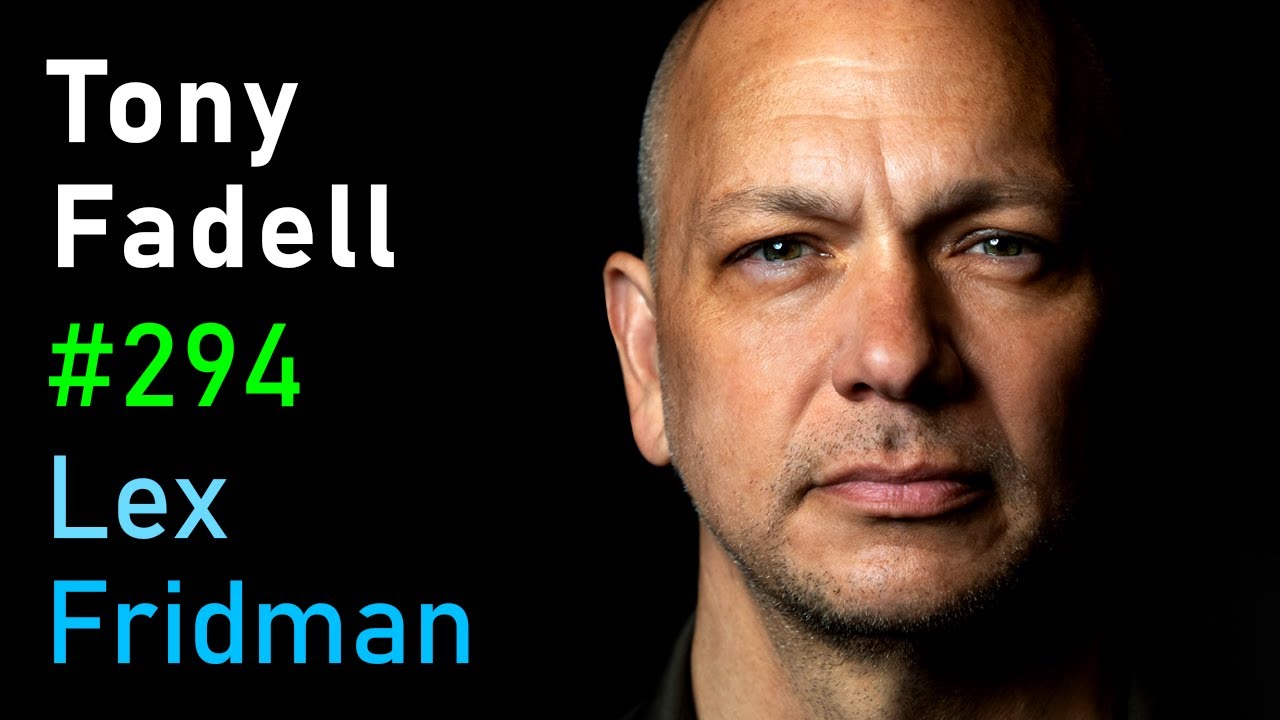 Tony Fadell: iPhone, iPod, Nest, Steve Jobs, Design, and Engineering
More like this
2h 46m
Tony Fadell: iPhone, iPod, Nest, Steve Jobs, Design, and Engineering
More like this
2h 46m
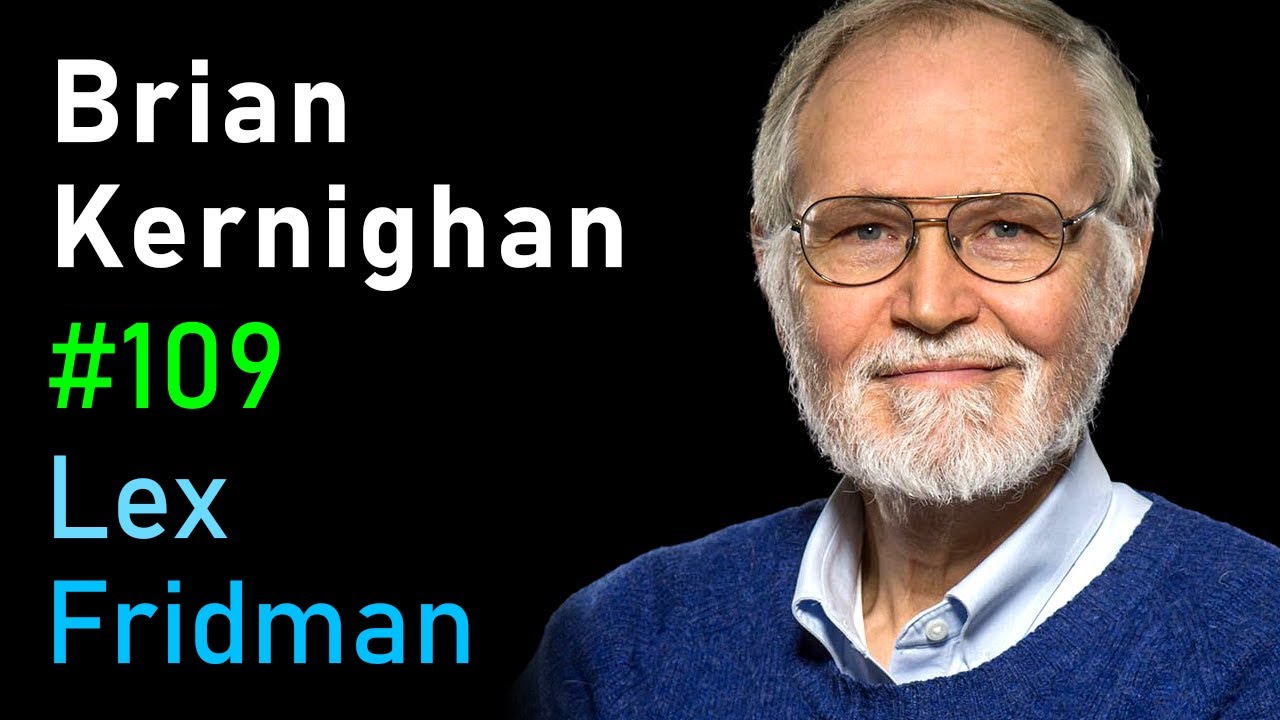 Brian Kernighan: UNIX, C, AWK, AMPL, and Go Programming
More like this
1h 43m
Brian Kernighan: UNIX, C, AWK, AMPL, and Go Programming
More like this
1h 43m
AI-generated summary · last refreshed 2026-05-28 14:45:09 · how we make these
Quotes are matched verbatim against the source transcript; references are checked to resolve to real URLs. Even so, AI can misread structure or attribute claims imperfectly. If you spot an error, please let us know.