Sean Kelly: Existentialism, Nihilism, and the Search for Meaning
Core Takeaways
Sartre's existentialism emphasizes radical freedom, arguing that without God, individuals must create their own meaning through choices.
▶ 2:00
Why it matters
This places the burden of meaning on individuals, challenging them to live authentically without predefined essence.
Heidegger warns that the technological age risks reducing humans to mere resources, conflicting with community norms.
▶ 1:45:00
Why it matters
This critique underscores the importance of preserving human values and community in the face of technological efficiency.
AI's role in creativity highlights a shift where humans may adapt to become more machine-like in behavior.
▶ 2:20:00
Why it matters
The evolution of AI challenges traditional human roles, potentially altering our understanding of creativity and interaction.
Ask this episode Deep
A preview of how Deep chat answers, grounded in this episode with citations and timestamps:
Cite this episode
For papers, blog posts, anywhere.
Related episodes
Where to go next from this conversation.
More on these ideas
 Sheldon Solomon: Death and Meaning
More like this
2h 56m
Sheldon Solomon: Death and Meaning
More like this
2h 56m
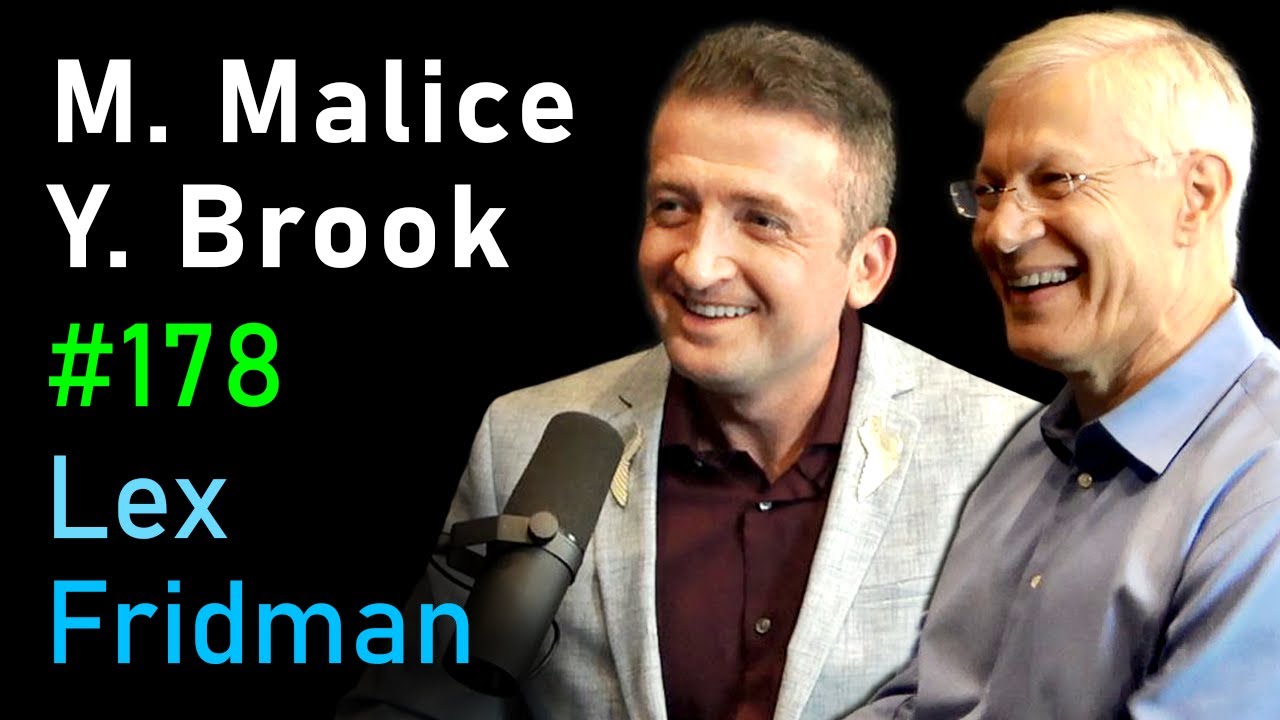 Michael Malice and Yaron Brook: Ayn Rand, Human Nature, and Anarchy
More like this
4h 25m
Michael Malice and Yaron Brook: Ayn Rand, Human Nature, and Anarchy
More like this
4h 25m
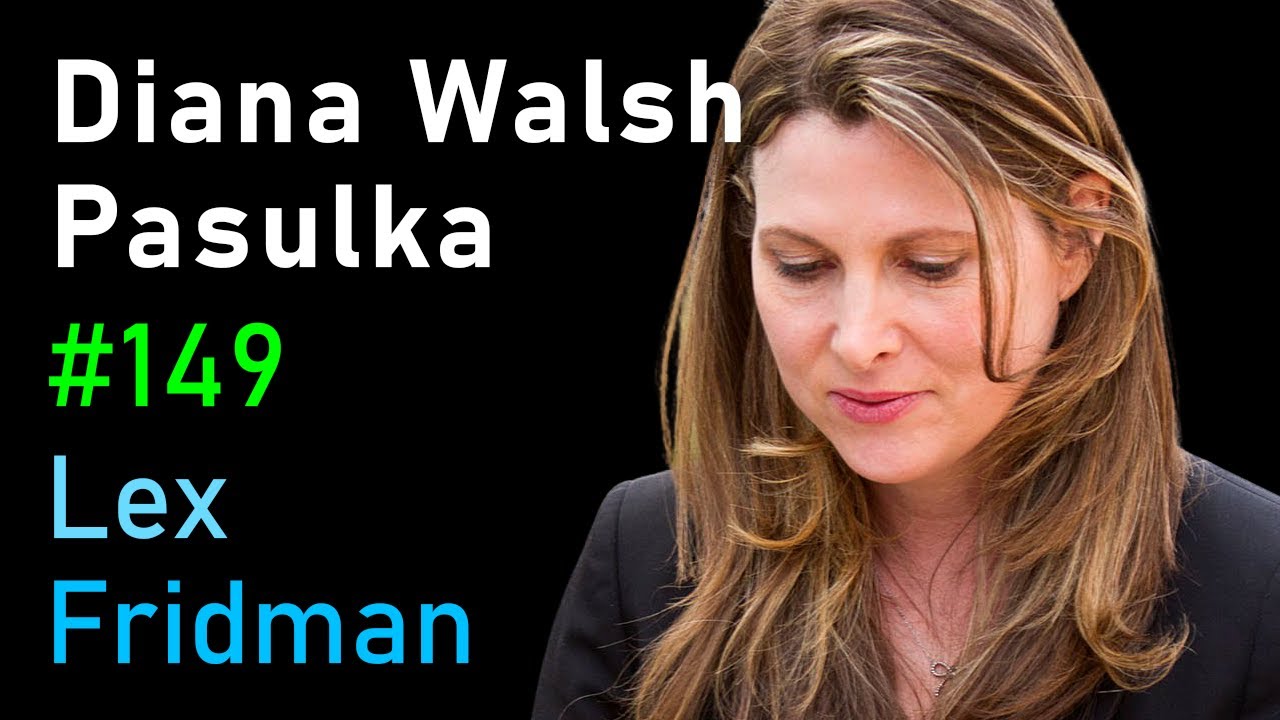 Diana Walsh Pasulka: Aliens, Technology, Religion & the Nature of Belief
More like this
2h 55m
Diana Walsh Pasulka: Aliens, Technology, Religion & the Nature of Belief
More like this
2h 55m
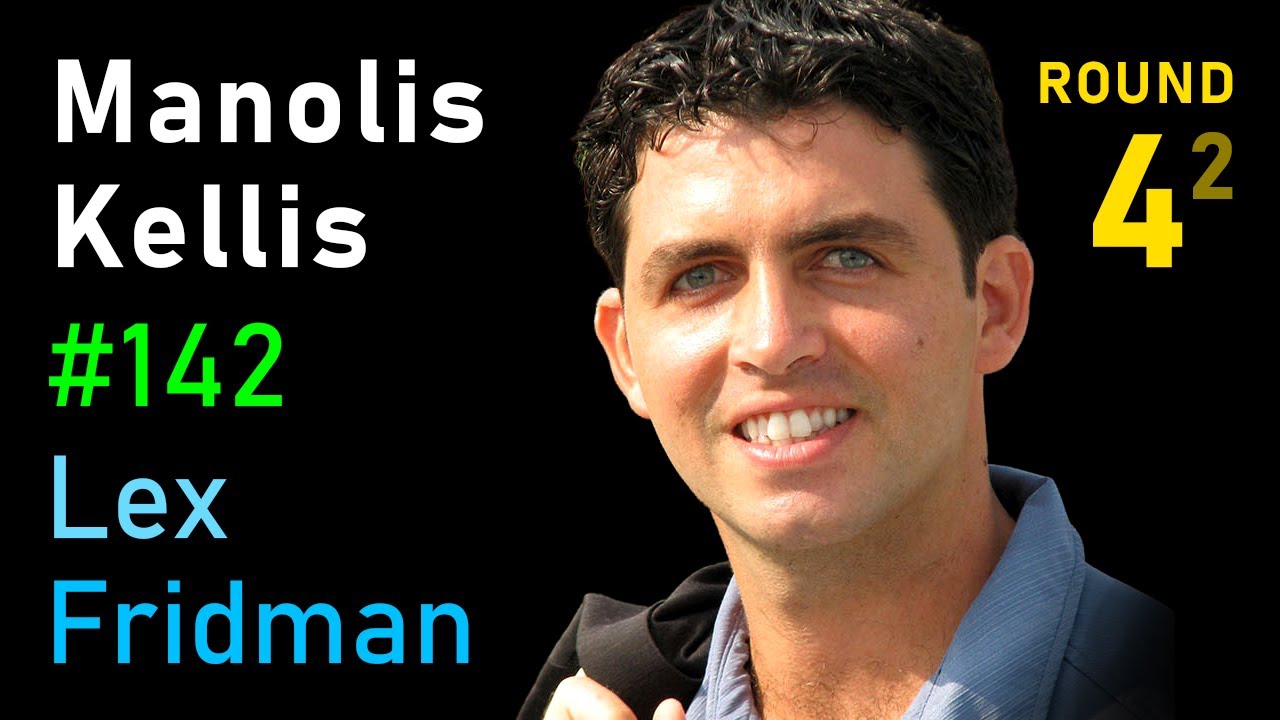 Manolis Kellis: Meaning of Life, the Universe, and Everything
More like this
2h 10m
Manolis Kellis: Meaning of Life, the Universe, and Everything
More like this
2h 10m
AI-generated summary · last refreshed 2026-06-06 04:54:52 · how we make these
Quotes are matched verbatim against the source transcript; references are checked to resolve to real URLs. Even so, AI can misread structure or attribute claims imperfectly. If you spot an error, please let us know.