Douglas Lenat: Cyc and the Quest to Solve Common Sense Reasoning in AI
Core Takeaways
Psyche's common sense AI project began in 1984, requiring tens of millions of knowledge pieces, far more than the initial estimate of one million.
▶ 2:00
Why it matters
This reveals the underestimated complexity of encoding common sense, impacting AI's ability to mimic human-like understanding.
The shift from global to local consistency in Psyche's knowledge base was crucial to handle real-world inconsistencies.
▶ 15:00
Why it matters
This adaptation allows Psyche to better manage the complexities and contradictions inherent in human knowledge.
AI systems must minimize error rates in critical applications, as even a 1% error rate can be unacceptable.
▶ 50:00
Why it matters
High accuracy is crucial in fields like medicine, where AI errors can have serious consequences.
Psyche's programming in Lisp is significantly faster, up to 50,000 times, than modern languages.
▶ 1:20:00
Why it matters
This efficiency could accelerate AI development, enabling more rapid iterations and innovations.
AI doesn't need a physical body to be considered intelligent, but must understand body-related concepts.
▶ 1:50:00
Why it matters
Understanding these concepts is essential for AI to interact meaningfully with humans and their environment.
Ask this episode Deep
A preview of how Deep chat answers, grounded in this episode with citations and timestamps:
Cite this episode
For papers, blog posts, anywhere.
Related episodes
Where to go next from this conversation.
More on these ideas
 Gary Marcus: Toward a Hybrid of Deep Learning and Symbolic AI
More like this
1h 25m
Gary Marcus: Toward a Hybrid of Deep Learning and Symbolic AI
More like this
1h 25m
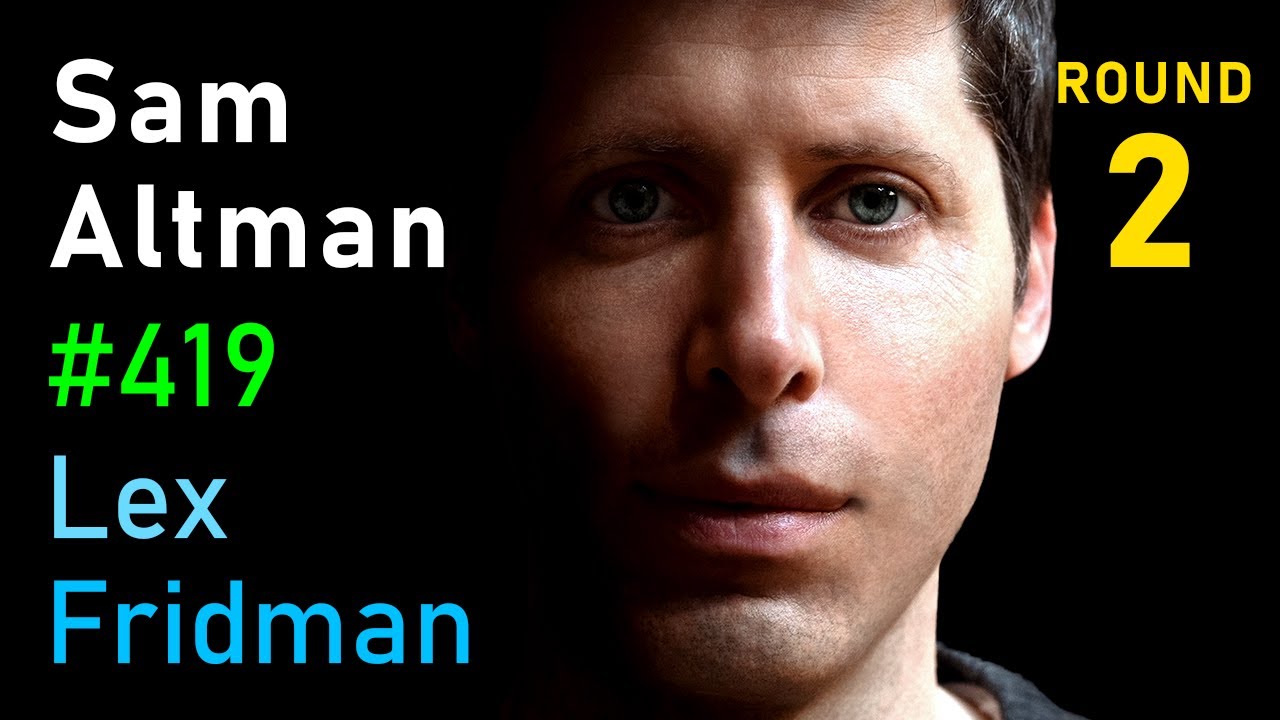 Sam Altman: OpenAI, GPT-5, Sora, Board Saga, Elon Musk, Ilya, Power & AGI
More like this
1h 55m
Sam Altman: OpenAI, GPT-5, Sora, Board Saga, Elon Musk, Ilya, Power & AGI
More like this
1h 55m
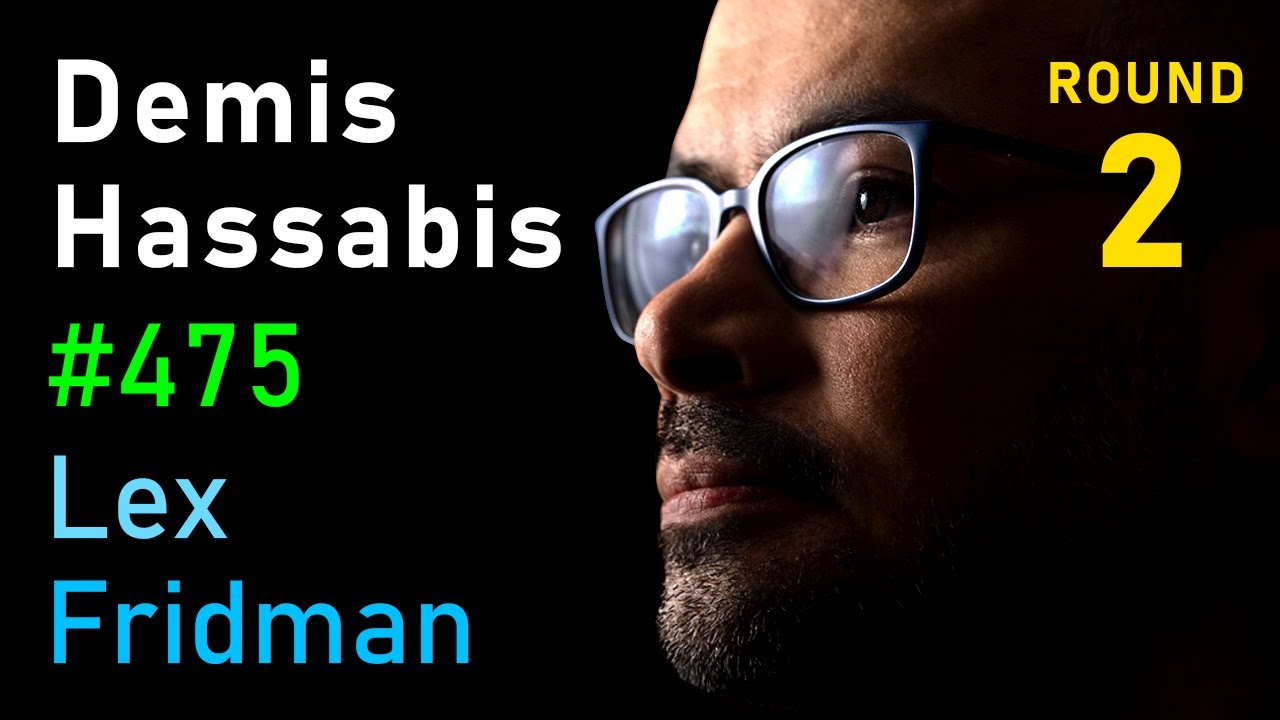 Demis Hassabis: Future of AI, Simulating Reality, Physics and Video Games
More like this
2h 28m
Demis Hassabis: Future of AI, Simulating Reality, Physics and Video Games
More like this
2h 28m
 Dario Amodei: Anthropic CEO on Claude, AGI & the Future of AI & Humanity
More like this
5h 15m
Dario Amodei: Anthropic CEO on Claude, AGI & the Future of AI & Humanity
More like this
5h 15m
AI-generated summary · last refreshed 2026-06-06 05:43:47 · how we make these
Quotes are matched verbatim against the source transcript; references are checked to resolve to real URLs. Even so, AI can misread structure or attribute claims imperfectly. If you spot an error, please let us know.