Yeonmi Park: North Korea
Core Takeaways
North Korea's famine from 1994 to 1998 resulted in the deaths of up to 3 million people, with reports of cannibalism as a survival tactic.
▶ 1:00
Why it matters
This highlights the extreme humanitarian crisis and the lengths to which people will go to survive under oppressive regimes.
Kim Jong Un's regime is likened to a religious cult, with Kim Il Sung revered as a deity, and North Korea's calendar starting from his birth.
▶ 20:00
Why it matters
This cult-like reverence ensures the regime's control over the populace, making dissent nearly impossible.
The U.S. avoids assassinating Kim Jong Un due to potential geopolitical fallout, particularly with China.
▶ 35:00
Why it matters
This decision underscores the delicate balance of power in East Asia and the risks of escalating conflict.
North Korea's songbun system categorizes citizens into castes, predetermining their lives and opportunities.
▶ 1:10:00
Why it matters
This system entrenches inequality and social immobility, illustrating the regime's control over personal destinies.
The Juche ideology promotes self-reliance but centralizes power among North Korea's elite, contrasting with Marxist principles.
▶ 1:25:00
Why it matters
This ideology maintains the regime's power by keeping the populace dependent while claiming to promote independence.
Ask this episode Deep
A preview of how Deep chat answers, grounded in this episode with citations and timestamps:
Cite this episode
For papers, blog posts, anywhere.
Related episodes
Where to go next from this conversation.
More on these ideas
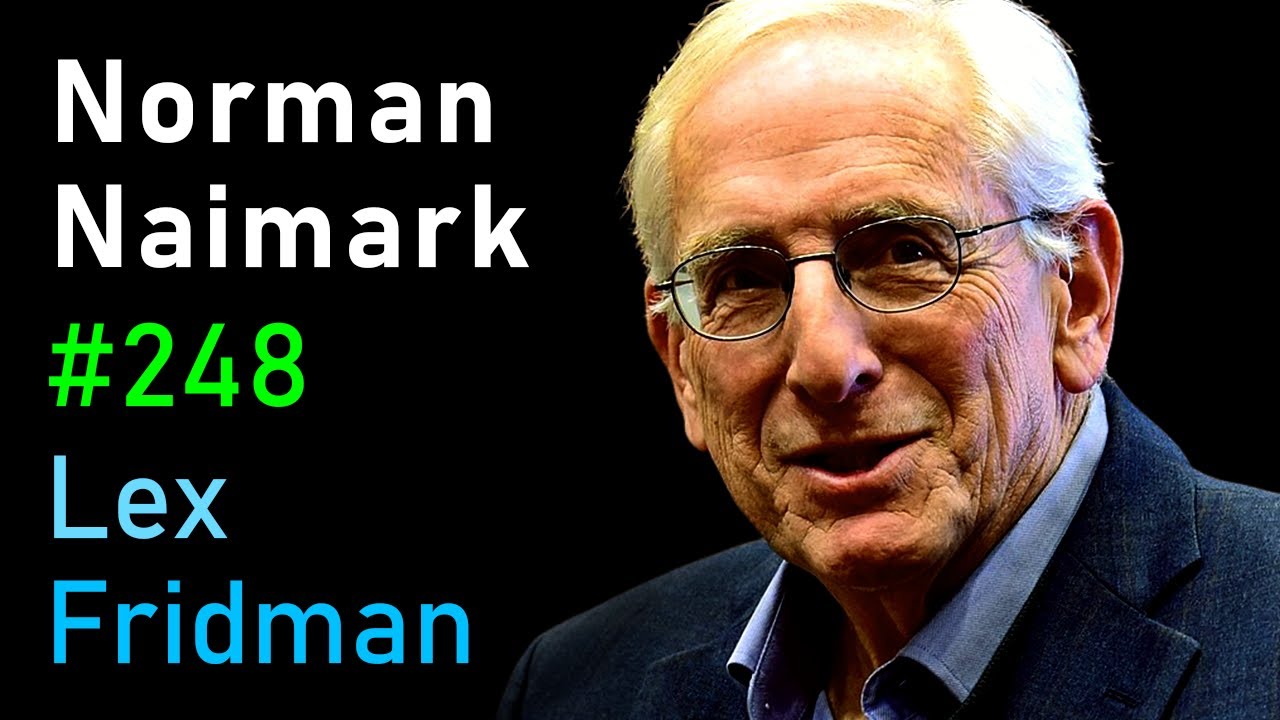 Norman Naimark: Genocide, Stalin, Hitler, Mao, and Absolute Power
More like this
2h 18m
Norman Naimark: Genocide, Stalin, Hitler, Mao, and Absolute Power
More like this
2h 18m
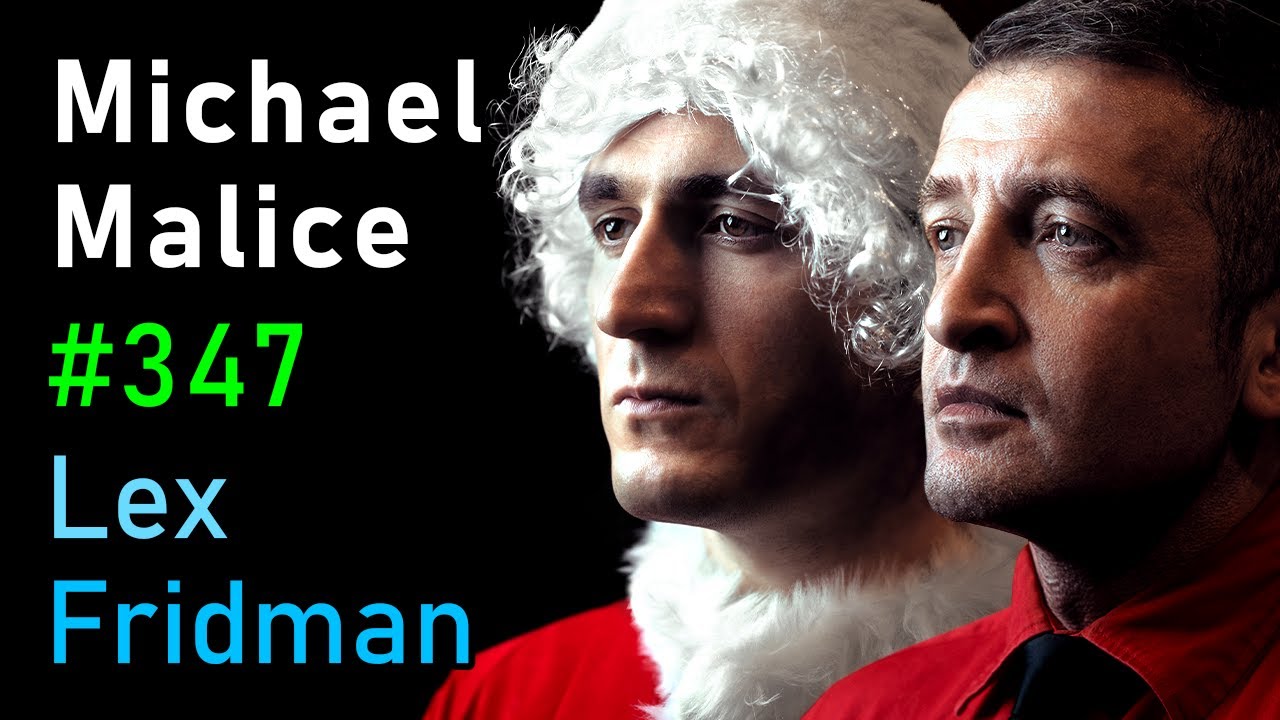 Michael Malice: Christmas Special
More like this
3h 40m
Michael Malice: Christmas Special
More like this
3h 40m
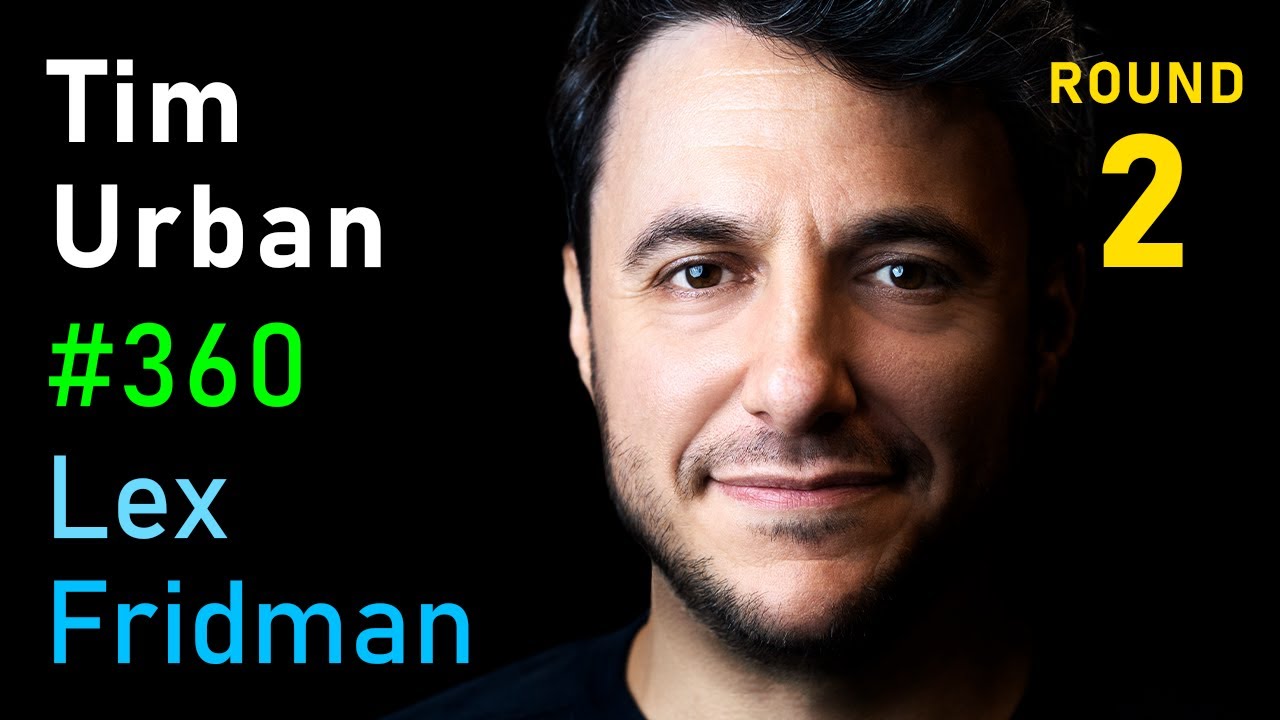 Tim Urban: Tribalism, Marxism, Liberalism, Social Justice, and Politics
More like this
3h 7m
Tim Urban: Tribalism, Marxism, Liberalism, Social Justice, and Politics
More like this
3h 7m
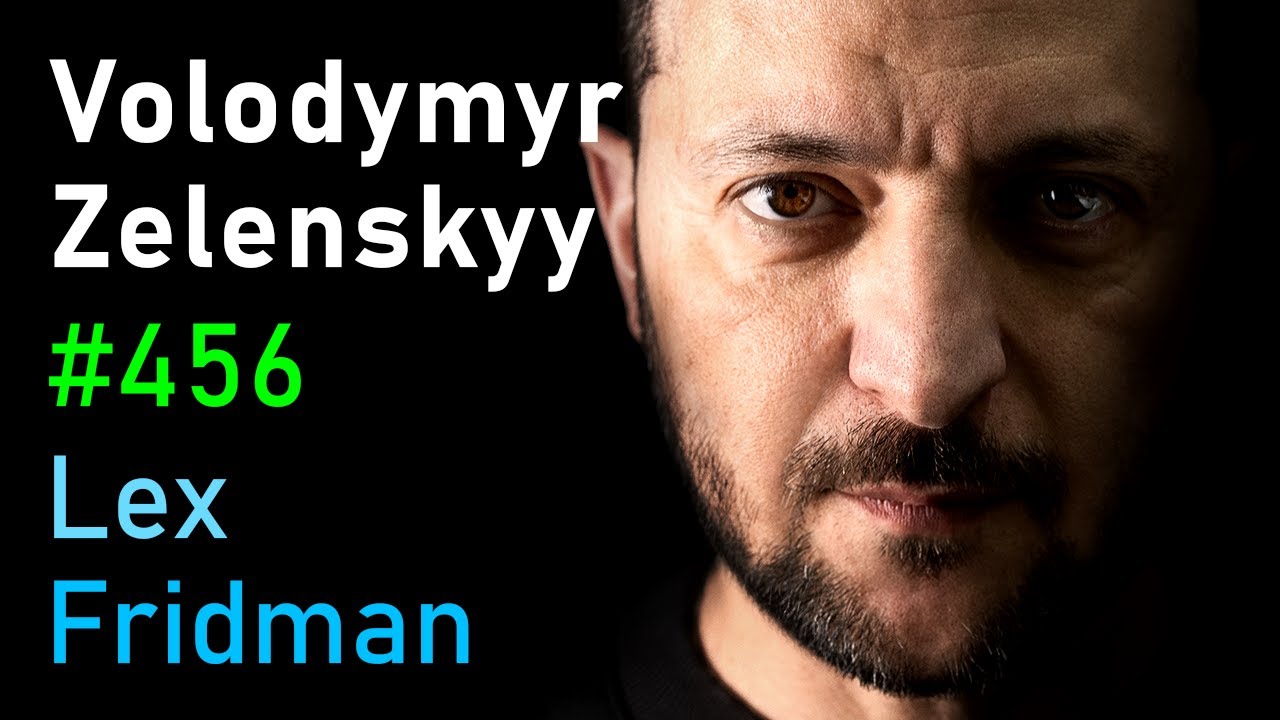 Volodymyr Zelenskyy: Ukraine, War, Peace, Putin, Trump, NATO, and Freedom
More like this
3h 6m
Volodymyr Zelenskyy: Ukraine, War, Peace, Putin, Trump, NATO, and Freedom
More like this
3h 6m
AI-generated summary · last refreshed 2026-06-06 20:38:34 · how we make these
Quotes are matched verbatim against the source transcript; references are checked to resolve to real URLs. Even so, AI can misread structure or attribute claims imperfectly. If you spot an error, please let us know.