Clara Sousa-Silva: Searching for Signs of Life on Venus and Other Planets
Core Takeaways
Phosphine's detection on Venus suggests potential life, but its data reliability is debated due to weak signals.
Why it matters
The controversy over phosphine's detection highlights the challenges in confirming extraterrestrial life signs, impacting future astrobiological research.
Phosphine, a toxic molecule, is a potential biosignature as it's hard to produce abiotically, indicating life in oxygen-poor environments.
Why it matters
Phosphine's role as a biosignature could revolutionize how we identify life on other planets, especially those lacking oxygen.
Clara Sousa-Silva developed RASCAL to approximate spectra for 16,000 molecules, addressing the lack of spectral data for biosignature detection.
Why it matters
RASCAL's development accelerates the search for alien life by providing critical spectral data that was previously unavailable.
The James Webb Space Telescope will enhance our understanding of exoplanet atmospheres, potentially identifying habitable conditions.
Why it matters
JWST's capabilities will significantly advance the search for life, offering more detailed atmospheric analysis than ever before.
Sousa-Silva argues intelligent life is rare, but life itself is likely common across the galaxy.
Why it matters
Understanding the prevalence of life informs our search strategies and philosophical perspectives on humanity's place in the universe.
Ask this episode Deep
A preview of how Deep chat answers, grounded in this episode with citations and timestamps:
Cite this episode
For papers, blog posts, anywhere.
Related episodes
Where to go next from this conversation.
More on these ideas
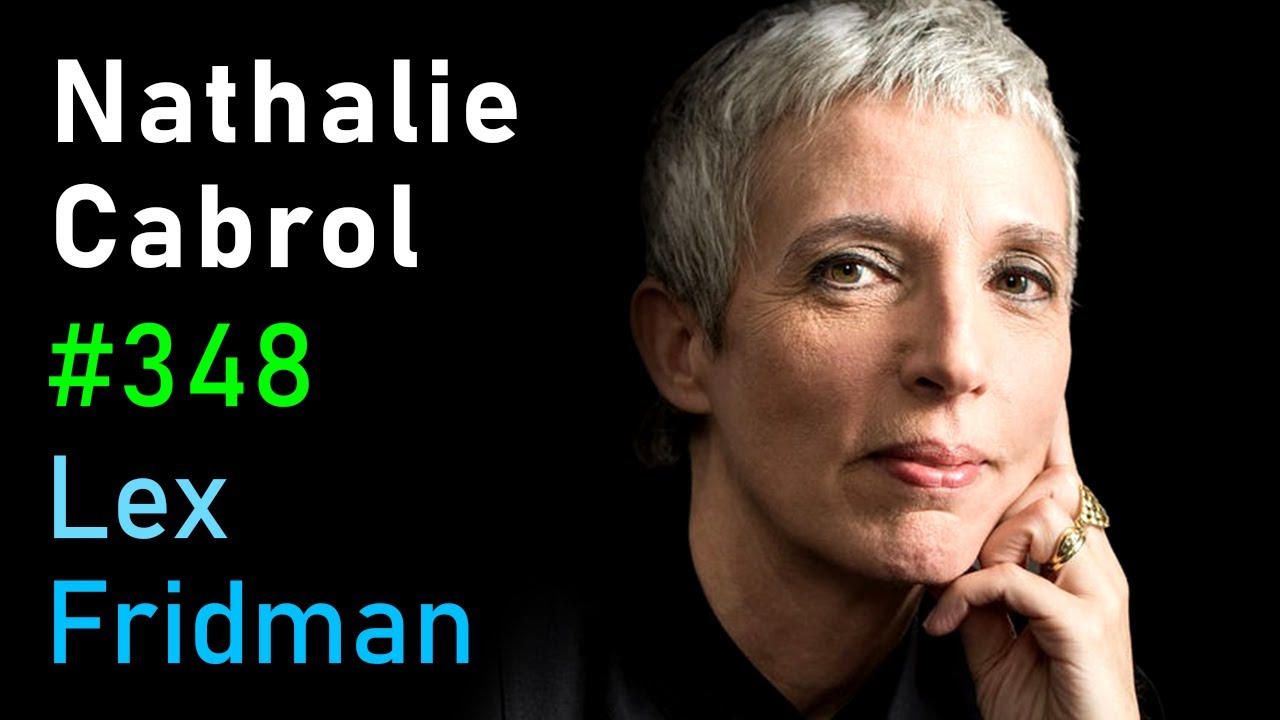 Nathalie Cabrol: Search for Alien Life
More like this
2h 6m
Nathalie Cabrol: Search for Alien Life
More like this
2h 6m
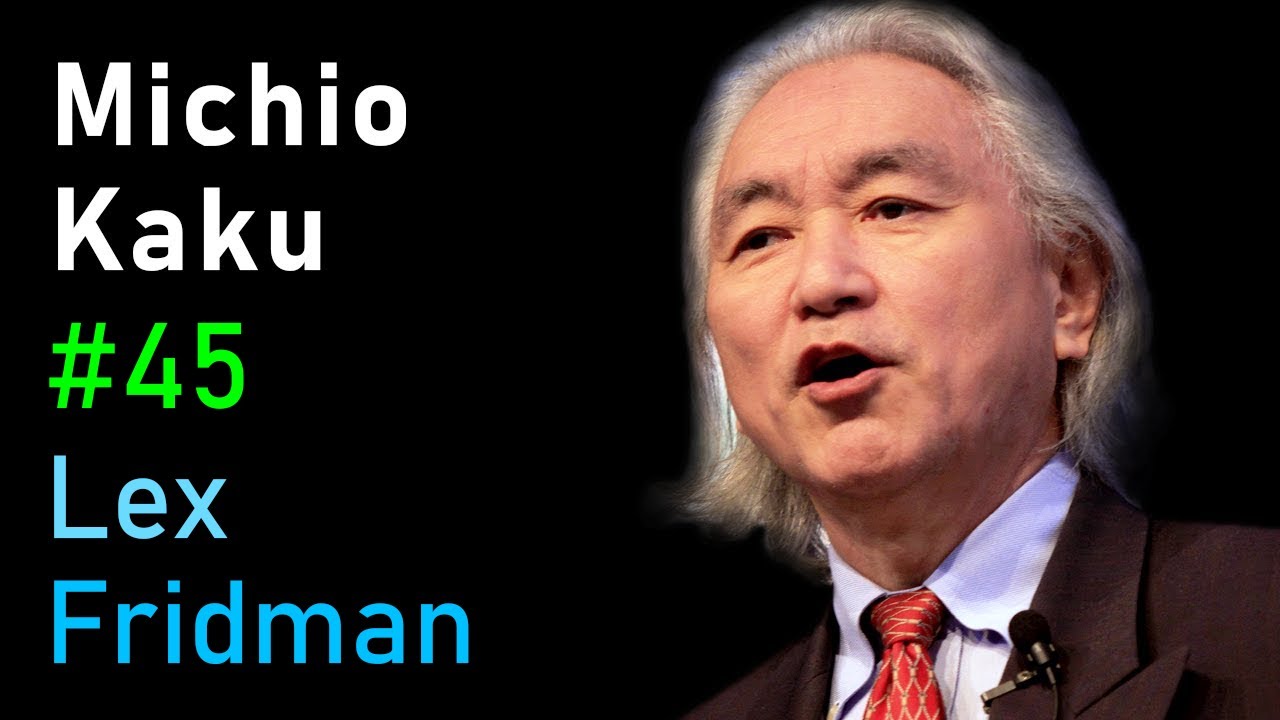 Michio Kaku: Future of Humans, Aliens, Space Travel & Physics
Shares extraterrestrial life
1h 1m
Michio Kaku: Future of Humans, Aliens, Space Travel & Physics
Shares extraterrestrial life
1h 1m
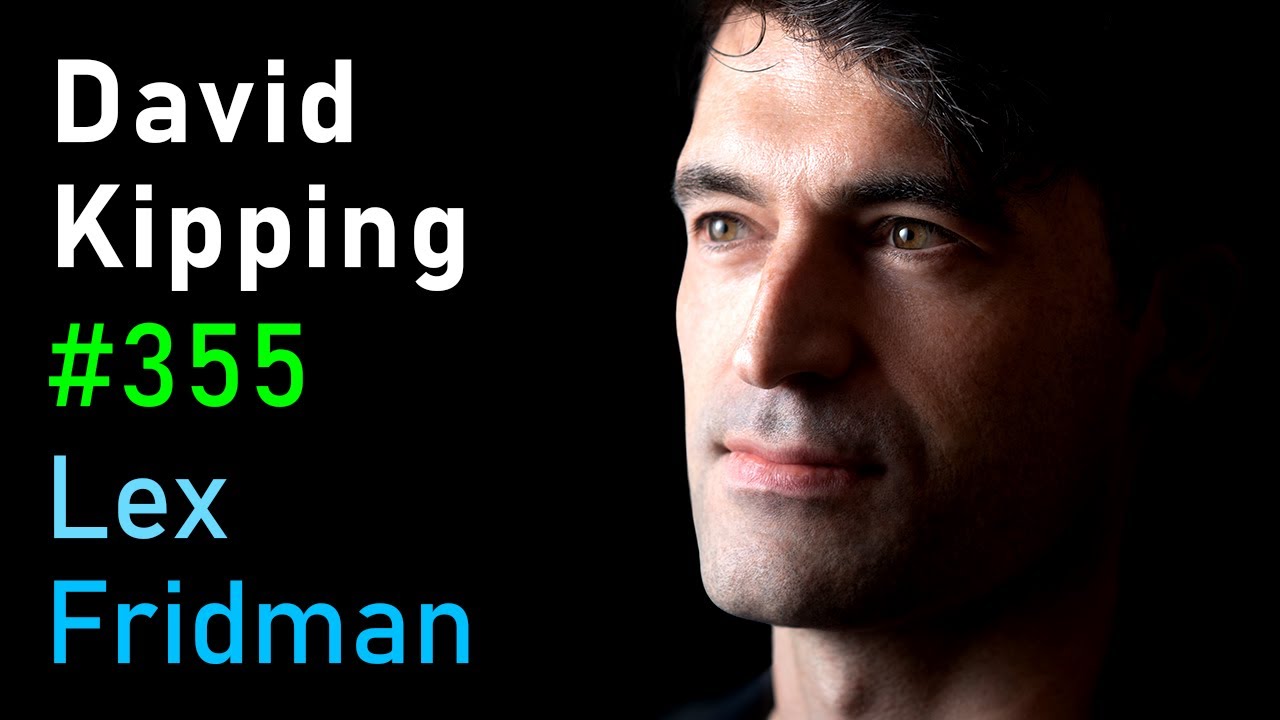 David Kipping: Alien Civilizations and Habitable Worlds
Shares biosignatures
3h 47m
David Kipping: Alien Civilizations and Habitable Worlds
Shares biosignatures
3h 47m
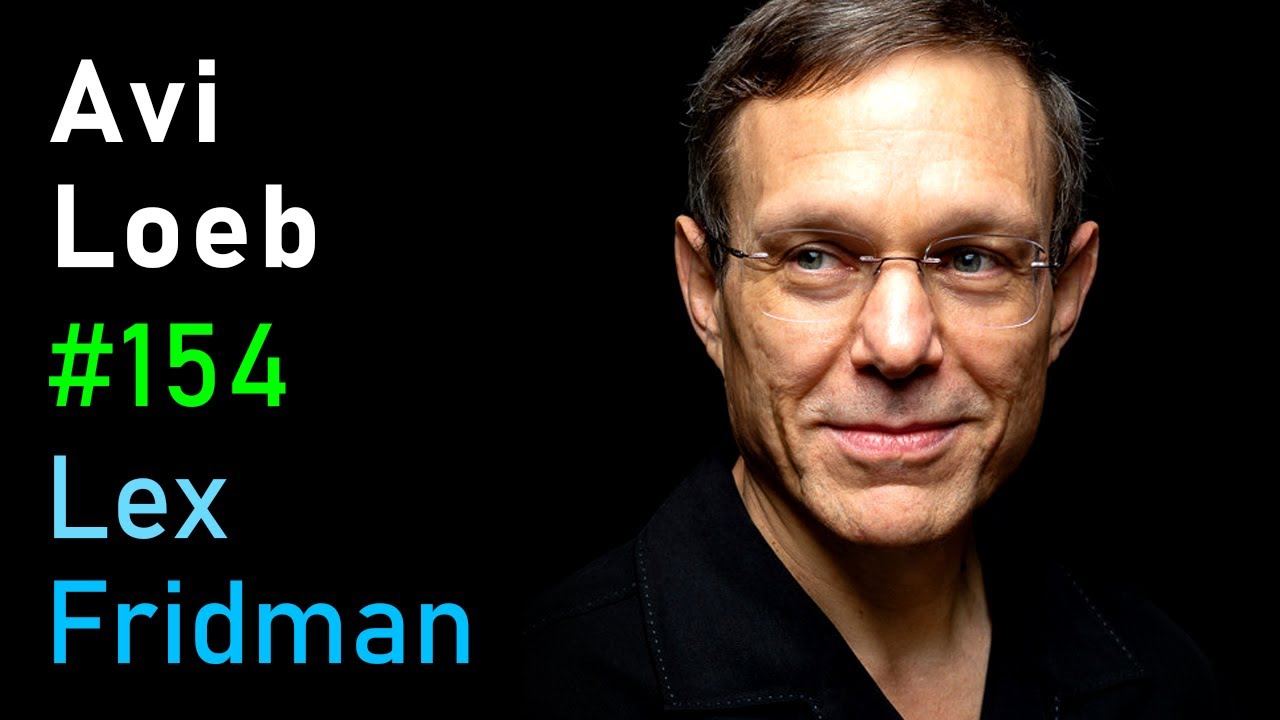 Avi Loeb: Aliens, Black Holes, and the Mystery of the Oumuamua
Shares extraterrestrial life
2h 43m
Avi Loeb: Aliens, Black Holes, and the Mystery of the Oumuamua
Shares extraterrestrial life
2h 43m
AI-generated summary · last refreshed 2026-06-06 20:39:31 · how we make these
Quotes are matched verbatim against the source transcript; references are checked to resolve to real URLs. Even so, AI can misread structure or attribute claims imperfectly. If you spot an error, please let us know.