Bryan Johnson: Kernel Brain-Computer Interfaces
Core Takeaways
Kernel's brain interface uses spectroscopy to measure brain activity with over a thousand channels, offering real-time imaging.
▶ 2:00
Why it matters
This allows for comfortable and versatile brain activity measurement outside lab environments, potentially revolutionizing cognitive research.
Kernel's shift from invasive to noninvasive brain interfaces aims to make the technology accessible and mainstream.
▶ 15:00
Why it matters
Noninvasive methods lower barriers for adoption, increasing potential user base and societal impact.
Brian Johnson's Kernel has invested over $100 million in brain interface technology, highlighting the high cost of development.
▶ 30:00
Why it matters
The significant investment underscores the financial risk and potential rewards in pioneering brain-computer interfaces.
Kernel's technology could enhance mental health treatment by measuring brain activity during psychedelic experiences.
▶ 45:00
Why it matters
This approach could lead to more effective mental health interventions, offering personalized treatment insights.
Brian Johnson tracks over 200 biomarkers every 90 days to optimize his diet, emphasizing data-driven health decisions.
▶ 1:00:00
Why it matters
Such detailed tracking could lead to more personalized health interventions, improving overall well-being.
Ask this episode Deep
A preview of how Deep chat answers, grounded in this episode with citations and timestamps:
Cite this episode
For papers, blog posts, anywhere.
Related episodes
Where to go next from this conversation.
More on these ideas
 Karl Friston: Neuroscience and the Free Energy Principle
More like this
1h 29m
Karl Friston: Neuroscience and the Free Energy Principle
More like this
1h 29m
 Annaka Harris: Free Will, Consciousness, and the Nature of Reality
Shares psychedelics
2h 39m
Annaka Harris: Free Will, Consciousness, and the Nature of Reality
Shares psychedelics
2h 39m
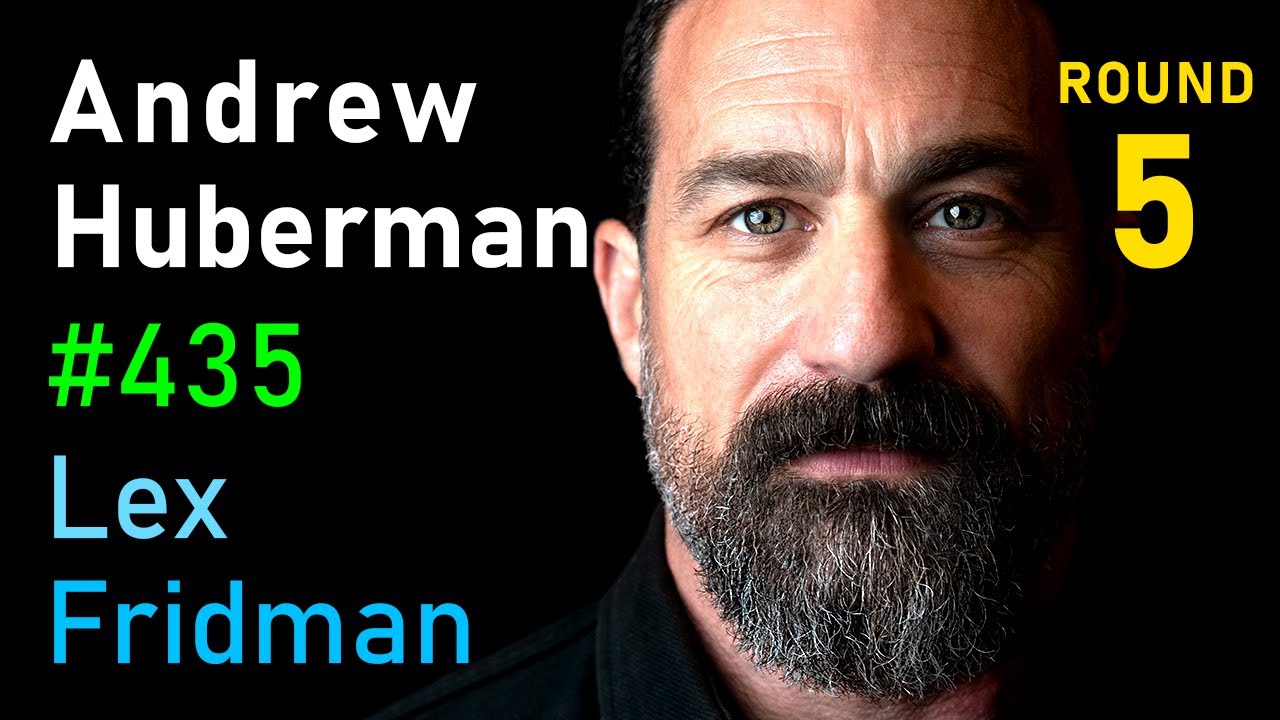 Andrew Huberman: Focus, Controversy, Politics, and Relationships
Shares psychedelics
1h 47m
Andrew Huberman: Focus, Controversy, Politics, and Relationships
Shares psychedelics
1h 47m
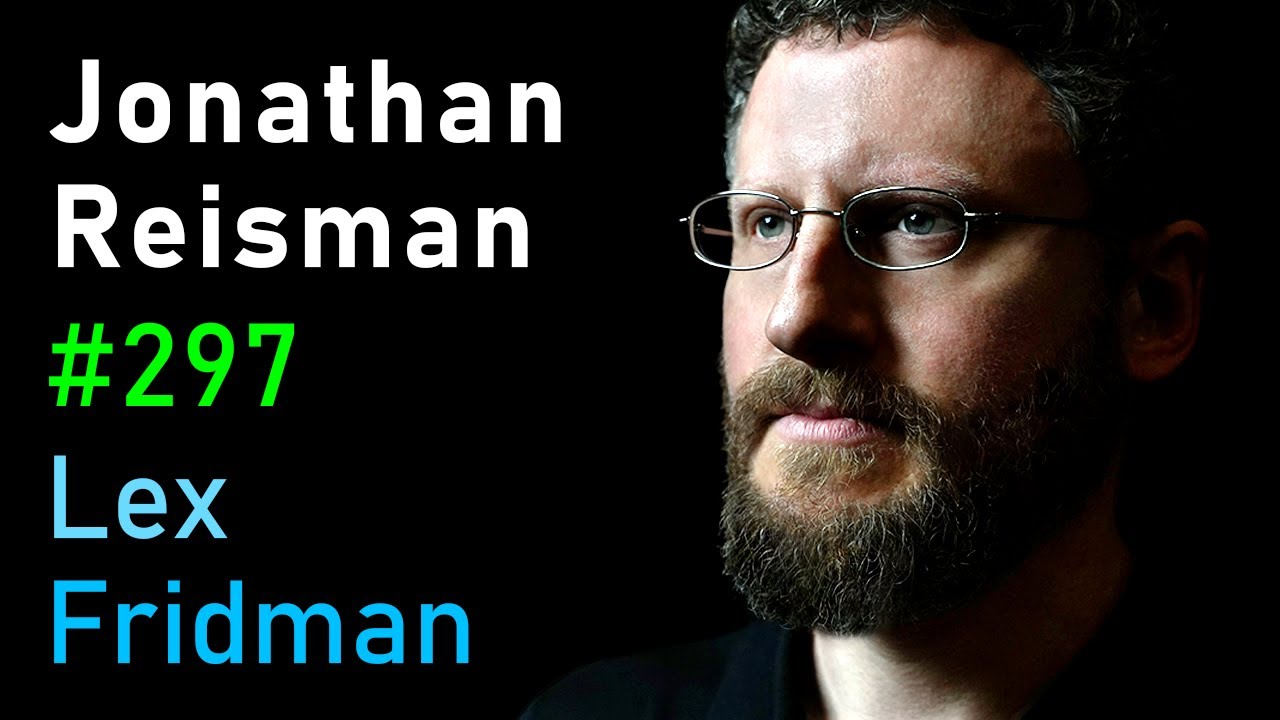 Jonathan Reisman: The Human Body - From Sex & Sperm to Hands & Heart
Shares mental health
2h 43m
Jonathan Reisman: The Human Body - From Sex & Sperm to Hands & Heart
Shares mental health
2h 43m
AI-generated summary · last refreshed 2026-06-07 14:43:09 · how we make these
Quotes are matched verbatim against the source transcript; references are checked to resolve to real URLs. Even so, AI can misread structure or attribute claims imperfectly. If you spot an error, please let us know.