Ryan Hall: Solving Martial Arts from First Principles
Core Takeaways
Ryan Hall uses systems thinking to transcend traditional martial arts strategies, likening it to understanding technology beyond being an end user.
▶ 2:30
Why it matters
Hall's approach suggests that mastering the fundamentals can lead to innovative strategies that outmaneuver predictable systems.
Game theory and mechanism design illustrate how perceived choices in martial arts can be illusions, affecting strategy and outcomes.
▶ 15:45
Why it matters
Understanding these dynamics can help martial artists and strategists anticipate opponent behavior and improve decision-making.
Social media's dopamine-driven dynamics prioritize divisive content, suggesting a need for incentive restructuring to foster empathy.
▶ 45:00
Why it matters
Restructuring these incentives could lead to healthier online discourse and more constructive societal interactions.
Ask this episode Deep
A preview of how Deep chat answers, grounded in this episode with citations and timestamps:
Cite this episode
For papers, blog posts, anywhere.
Related episodes
Where to go next from this conversation.
More from Ryan Hall

More on these ideas
 Neil Adams: Judo, Olympics, Winning, Losing, and the Champion Mindset
More like this
2h 27m
Neil Adams: Judo, Olympics, Winning, Losing, and the Champion Mindset
More like this
2h 27m
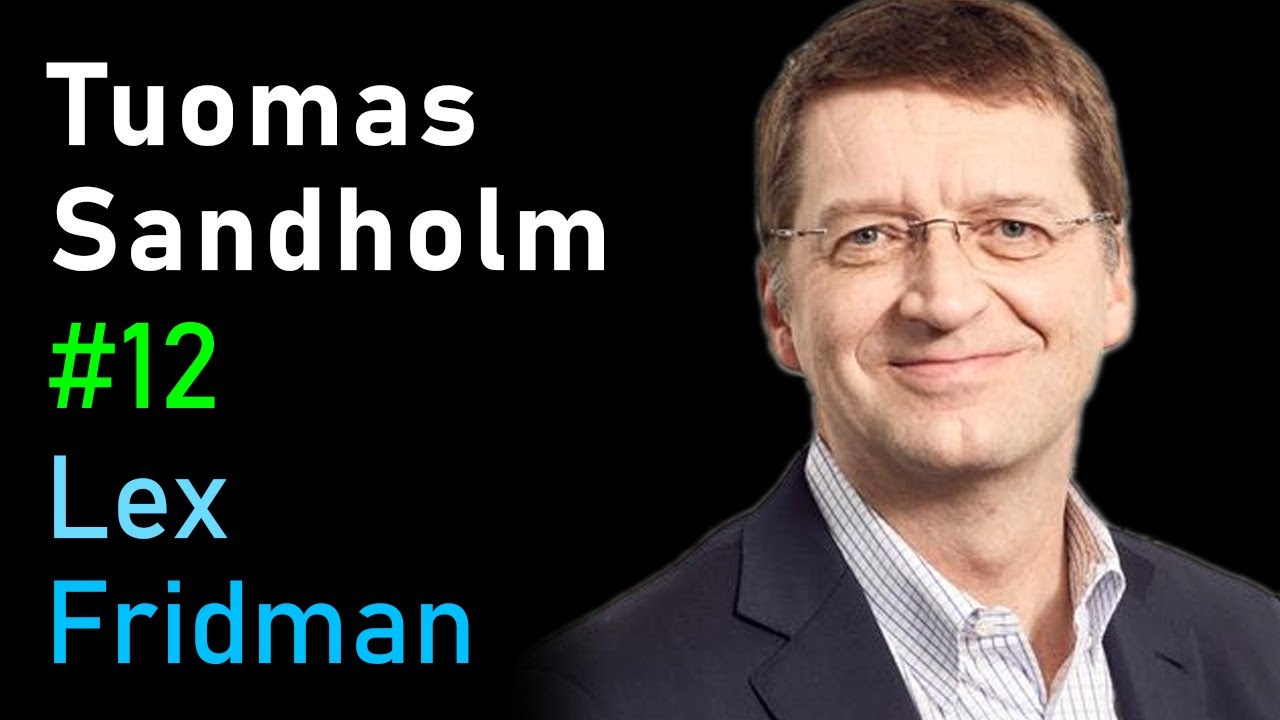 Tuomas Sandholm: Poker and Game Theory
Shares game theory, mechanism design
1h 6m
Tuomas Sandholm: Poker and Game Theory
Shares game theory, mechanism design
1h 6m
 Magnus Carlsen: Greatest Chess Player of All Time
Shares greatness
2h 31m
Magnus Carlsen: Greatest Chess Player of All Time
Shares greatness
2h 31m
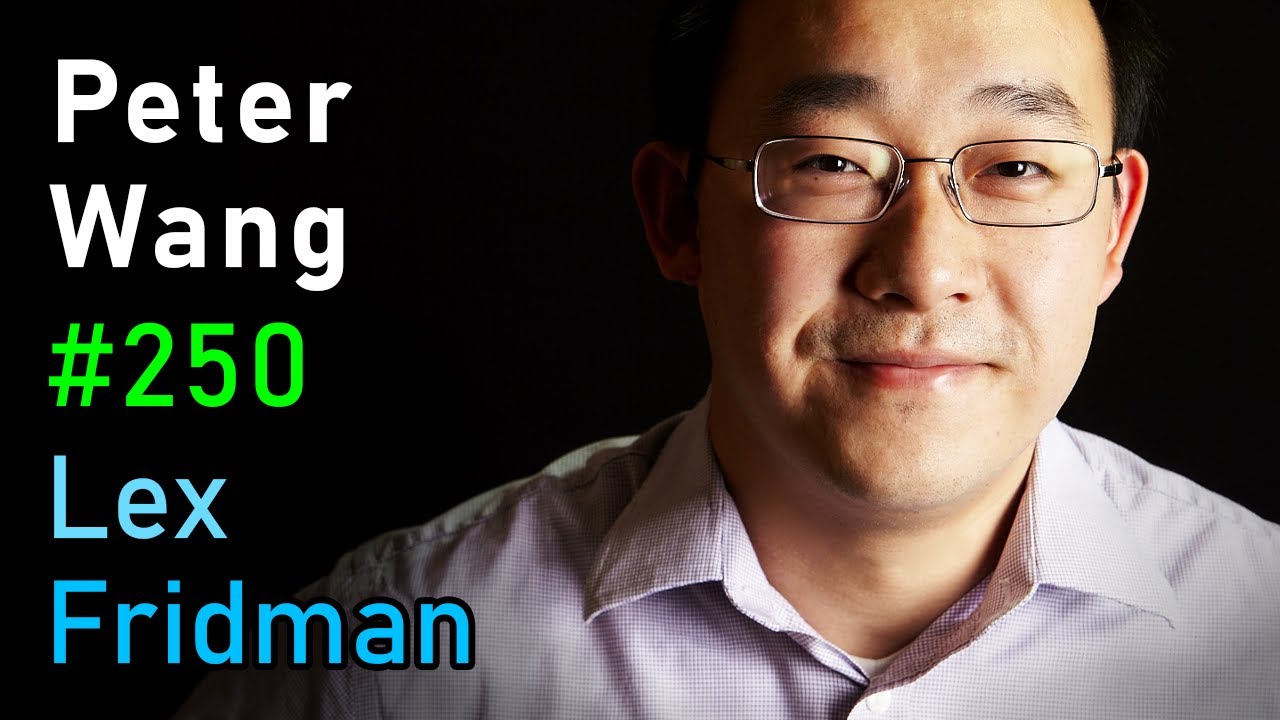 Peter Wang: Python and the Source Code of Humans, Computers, and Reality
More like this
2h 46m
Peter Wang: Python and the Source Code of Humans, Computers, and Reality
More like this
2h 46m
AI-generated summary · last refreshed 2026-06-06 21:16:22 · how we make these
Quotes are matched verbatim against the source transcript; references are checked to resolve to real URLs. Even so, AI can misread structure or attribute claims imperfectly. If you spot an error, please let us know.