Josh Barnett: Philosophy of Violence, Power, and the Martial Arts
Core Takeaways
Josh Barnett sees Nietzsche's Ubermensch as a temporary state of overcoming human weaknesses, not a permanent ideal.
▶ 2:00
Why it matters
This challenges the common view of the Ubermensch as an ultimate goal, suggesting a dynamic, evolving process instead.
Barnett argues that war and conflict are inherent to human survival and flourishing, reflecting a struggle for power.
▶ 20:00
Why it matters
This perspective implies that efforts to eliminate conflict entirely may be unrealistic, impacting peace-building strategies.
Catch wrestling's emphasis on aggression is viewed by Barnett as more honest than Brazilian Jiu Jitsu's gentler portrayal.
▶ 40:00
Why it matters
This highlights a philosophical divide in martial arts, influencing how practitioners approach training and competition.
Barnett critiques Marxism for misunderstanding human nature, arguing that accountability must accompany freedom to prevent chaos.
▶ 1:20:00
Why it matters
This critique suggests that systems ignoring human nature's complexities are doomed to fail, impacting political theory.
Ask this episode Deep
A preview of how Deep chat answers, grounded in this episode with citations and timestamps:
Cite this episode
For papers, blog posts, anywhere.
Related episodes
Where to go next from this conversation.
More on these ideas
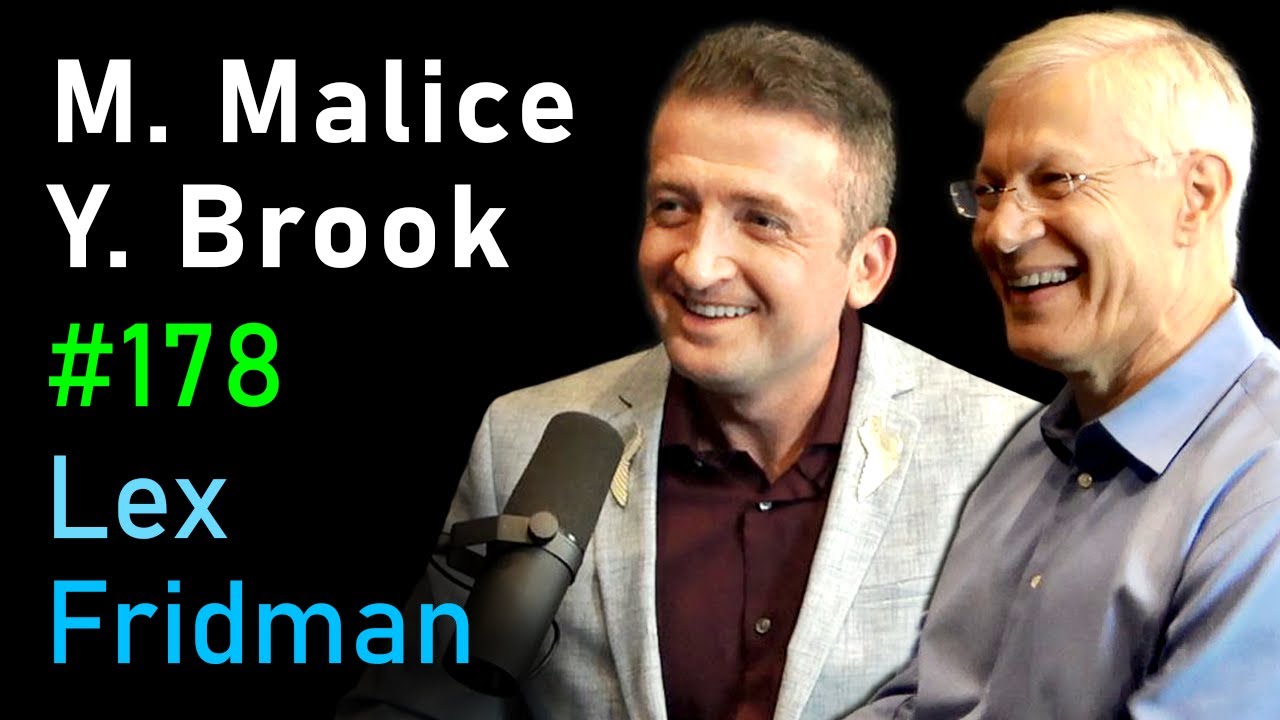 Michael Malice and Yaron Brook: Ayn Rand, Human Nature, and Anarchy
More like this
4h 25m
Michael Malice and Yaron Brook: Ayn Rand, Human Nature, and Anarchy
More like this
4h 25m
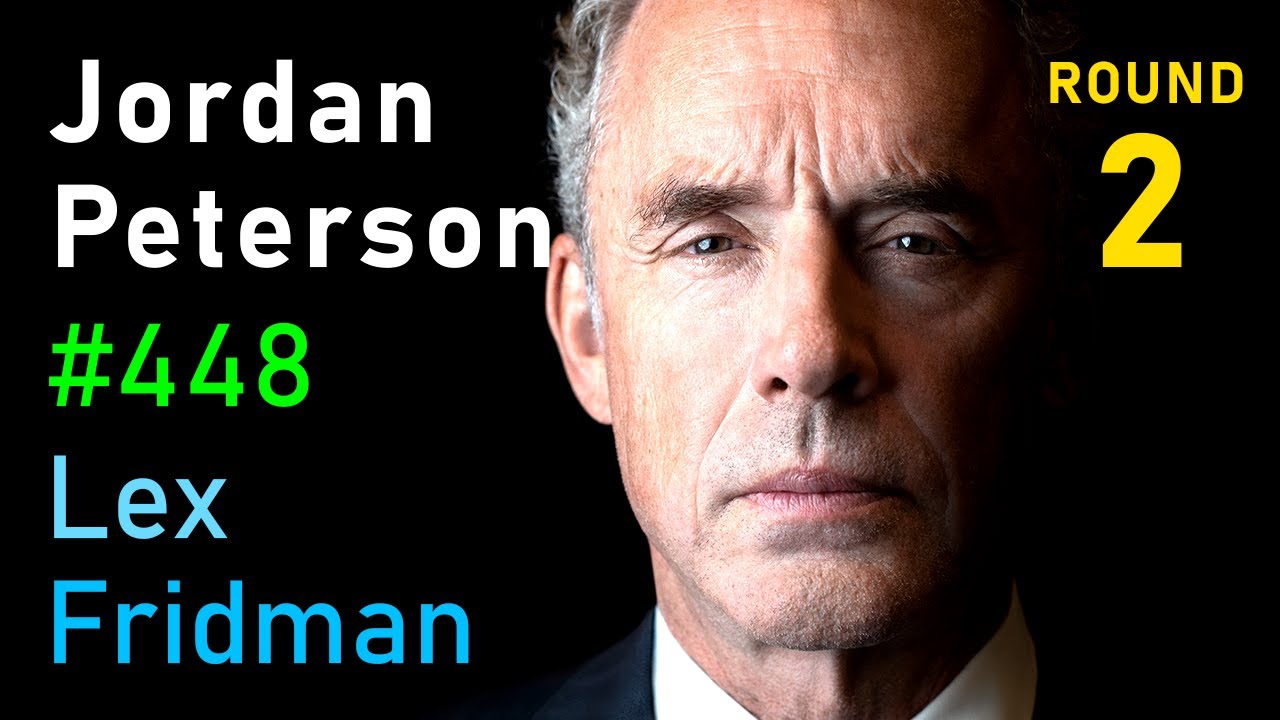 Jordan Peterson: Nietzsche, Hitler, God, Psychopathy, Suffering & Meaning
Shares Nietzsche
2h 23m
Jordan Peterson: Nietzsche, Hitler, God, Psychopathy, Suffering & Meaning
Shares Nietzsche
2h 23m
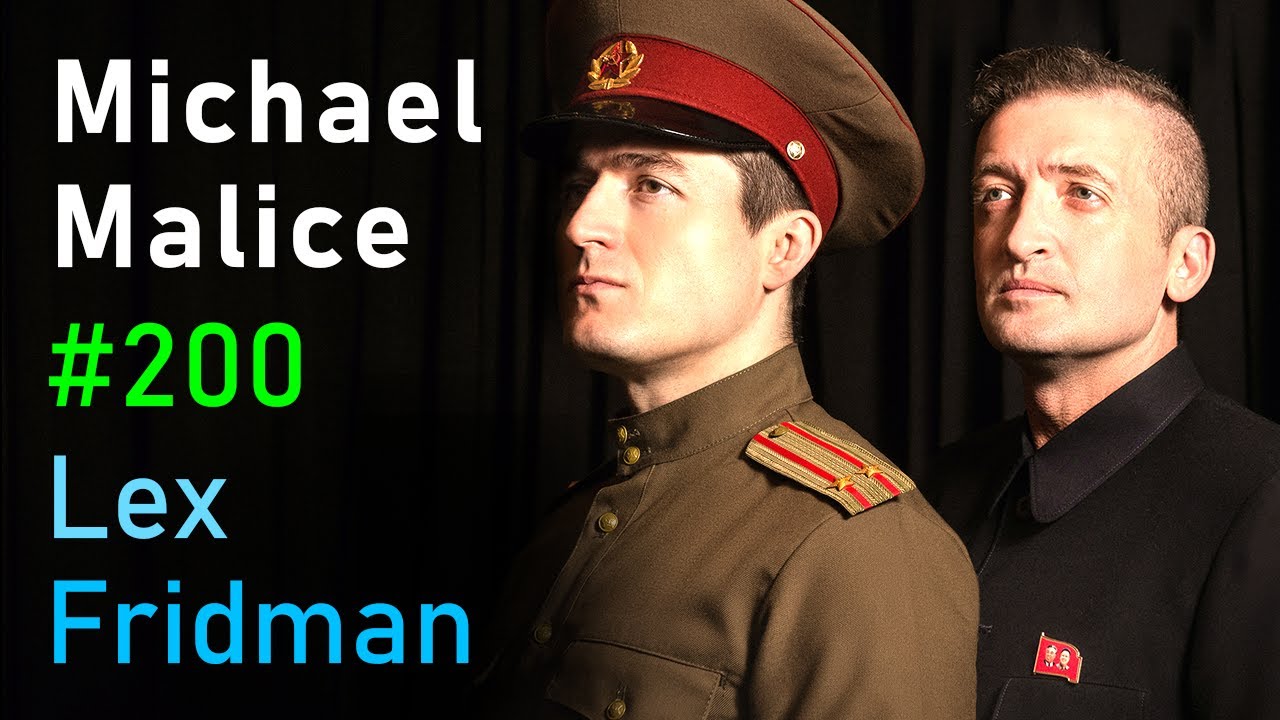 Michael Malice: Totalitarianism and Anarchy
Shares anarchism
2h 37m
Michael Malice: Totalitarianism and Anarchy
Shares anarchism
2h 37m
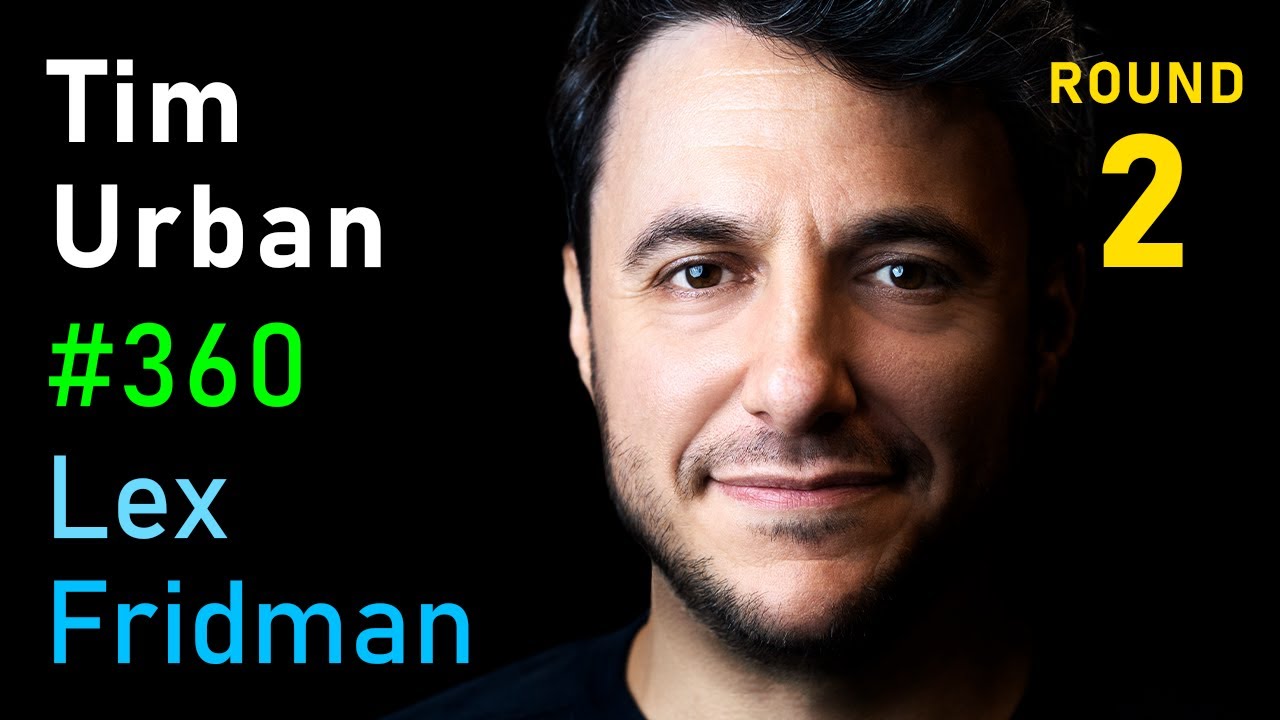 Tim Urban: Tribalism, Marxism, Liberalism, Social Justice, and Politics
Shares Marxism
3h 7m
Tim Urban: Tribalism, Marxism, Liberalism, Social Justice, and Politics
Shares Marxism
3h 7m
AI-generated summary · last refreshed 2026-06-06 21:21:32 · how we make these
Quotes are matched verbatim against the source transcript; references are checked to resolve to real URLs. Even so, AI can misread structure or attribute claims imperfectly. If you spot an error, please let us know.