Bernie Sanders Interview
Core Takeaways
Bernie Sanders asserts that the U.S. spends twice as much on healthcare per person compared to other nations, yet 85 million are uninsured or underinsured.
Why it matters
This disparity suggests inefficiencies and inequities in the U.S. healthcare system, impacting millions' access to care.
Sanders claims there has been a $50 trillion wealth transfer from the bottom 90% to the top 1% over the last 50 years.
▶ 12:30
Why it matters
This massive wealth shift underscores growing economic inequality and its societal implications.
He argues that 1,800 lobbyists represent drug companies in Washington, D.C., outnumbering Congress members significantly.
▶ 3:15
Why it matters
This imbalance illustrates the disproportionate influence of pharmaceutical interests on U.S. policy.
Sanders highlights that his campaign contributions averaged $27 each in 2016, indicating strong grassroots support.
▶ 5:45
Why it matters
Such grassroots support challenges the traditional big-money influence in political campaigns.
He states that the federal minimum wage should be $17 an hour to prevent poverty for full-time workers.
▶ 45:10
Why it matters
A higher minimum wage could reduce poverty levels and improve living standards for millions of workers.
Ask this episode Deep
A preview of how Deep chat answers, grounded in this episode with citations and timestamps:
Cite this episode
For papers, blog posts, anywhere.
Related episodes
Where to go next from this conversation.
More on these ideas
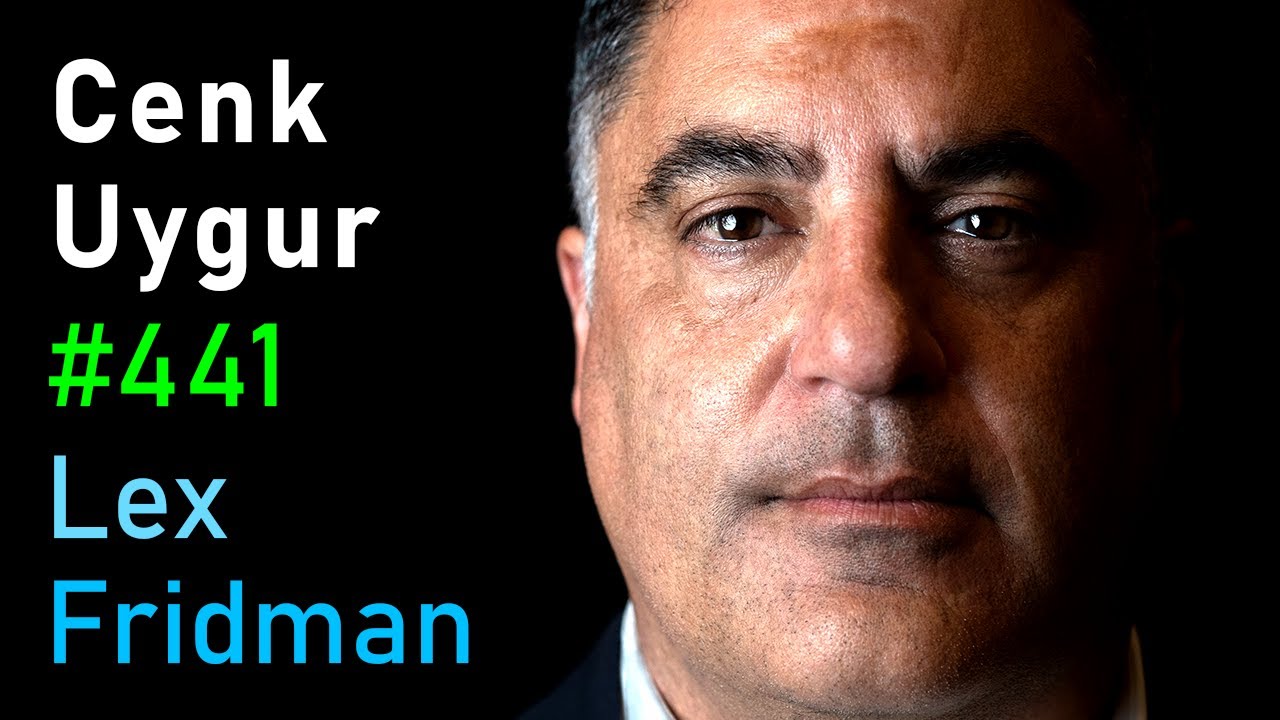 Cenk Uygur: Trump vs Harris, Progressive Politics, Communism & Capitalism
More like this
4h 10m
Cenk Uygur: Trump vs Harris, Progressive Politics, Communism & Capitalism
More like this
4h 10m
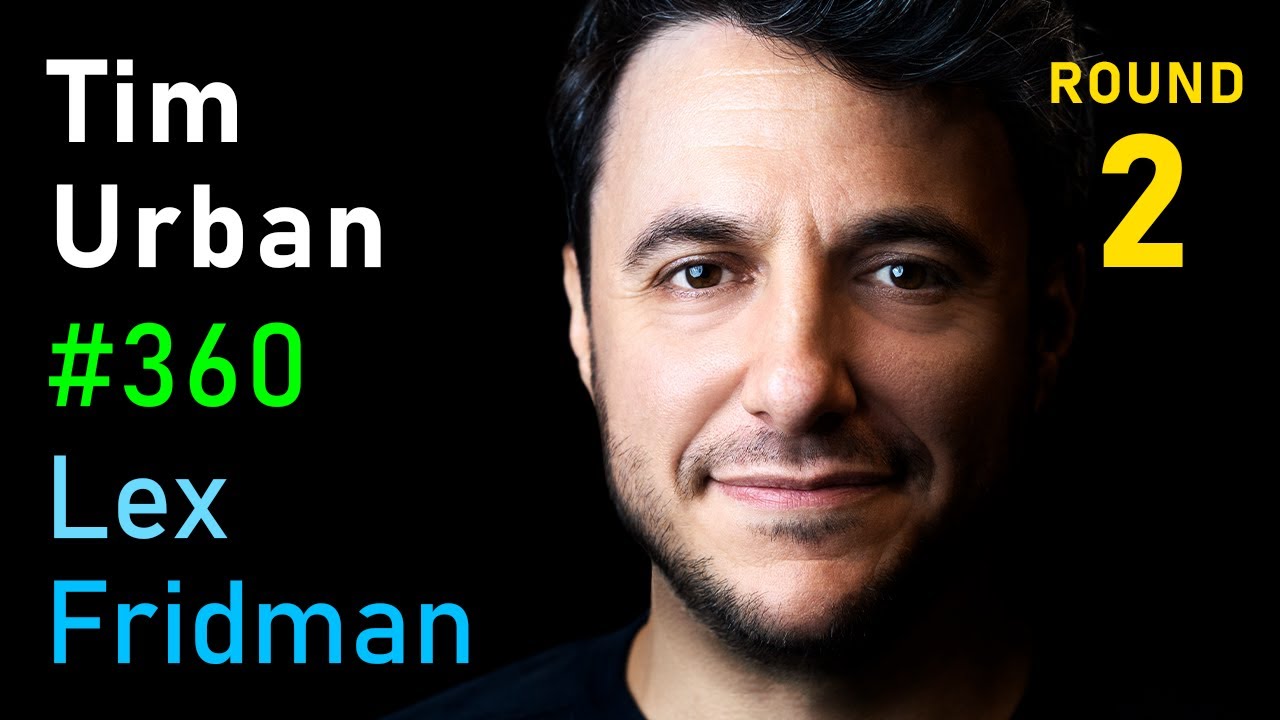 Tim Urban: Tribalism, Marxism, Liberalism, Social Justice, and Politics
More like this
3h 7m
Tim Urban: Tribalism, Marxism, Liberalism, Social Justice, and Politics
More like this
3h 7m
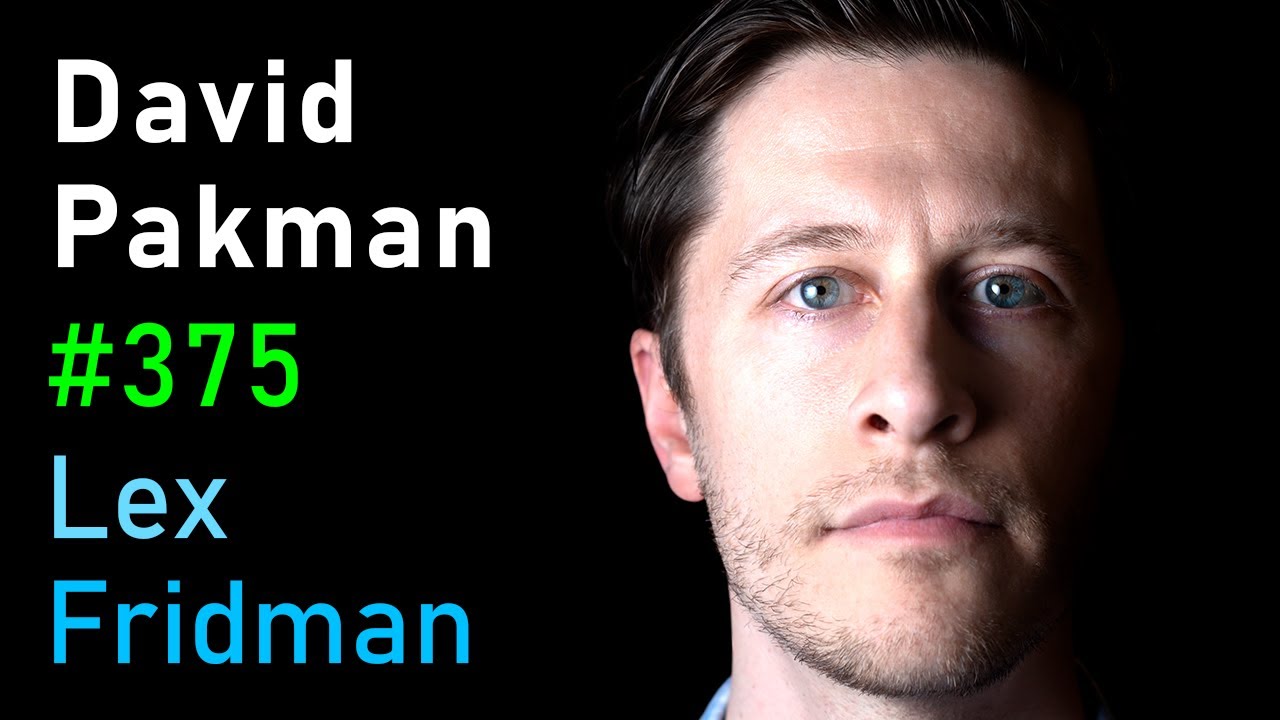 David Pakman: Politics of Trump, Biden, Bernie, AOC, Socialism & Wokeism
More like this
3h 31m
David Pakman: Politics of Trump, Biden, Bernie, AOC, Socialism & Wokeism
More like this
3h 31m
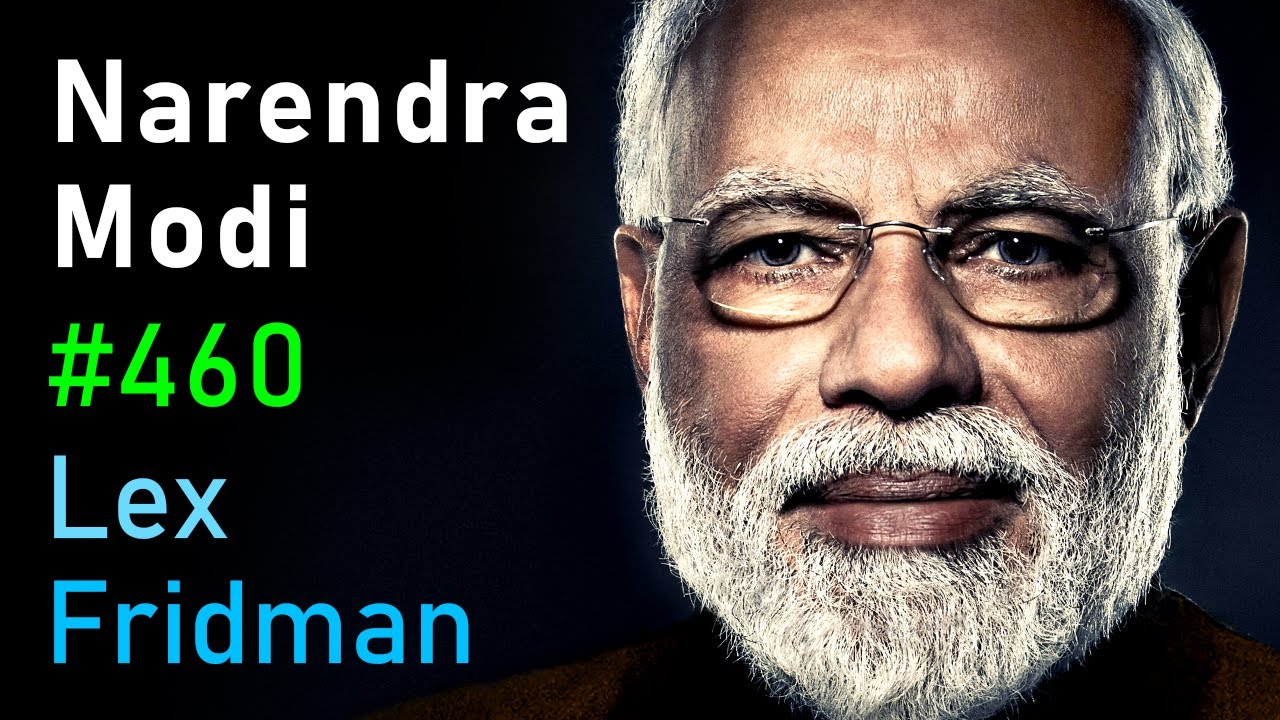 Narendra Modi: Prime Minister of India - Power, Democracy, War & Peace
More like this
3h 17m
Narendra Modi: Prime Minister of India - Power, Democracy, War & Peace
More like this
3h 17m
AI-generated summary · last refreshed 2026-05-28 15:05:49 · how we make these
Quotes are matched verbatim against the source transcript; references are checked to resolve to real URLs. Even so, AI can misread structure or attribute claims imperfectly. If you spot an error, please let us know.