Michael Malice: Anarchy, Democracy, Libertarianism, Love, and Trolling
Core Takeaways
Michael Malice argues that anarchism, unlike democracy, doesn't require leaders, making it more adaptable and less corruptible.
Why it matters
This perspective challenges the traditional view that democracy is the best system for governance, suggesting alternatives that may reduce corruption.
Mockery and trolling are seen by Malice as effective tools against power structures, as they undermine authority without direct confrontation.
▶ 15:00
Why it matters
This approach offers a non-violent means of resistance, potentially reshaping how individuals challenge societal norms and authorities.
Malice contends that conspiracy theories are often used to dismiss valid ideas, citing historical examples like the Constitutional Convention.
▶ 30:00
Why it matters
Understanding this misuse can help differentiate between genuine threats and dismissed ideas, refining public discourse.
The COVID-19 lockdowns revealed how much state control the public would tolerate, potentially leading to future abuses of power.
▶ 45:00
Why it matters
This insight warns of the potential for governments to exploit crises to expand control, impacting future civil liberties.
Libertarian ideas, such as criticism of the Patriot Act, have gained traction across political lines, highlighting a shift in mainstream acceptance.
▶ 1:00:00
Why it matters
The acceptance of libertarian ideas indicates a growing skepticism towards government overreach, influencing future policy debates.
Ask this episode Deep
A preview of how Deep chat answers, grounded in this episode with citations and timestamps:
Cite this episode
For papers, blog posts, anywhere.
Related episodes
Where to go next from this conversation.
More from Michael Malice
 Michael Malice: Totalitarianism and Anarchy
CORE TAKEAWAYS: - Orwell's 'Animal Farm' critiques totalitarian regimes broadly, not just…
2h 37m
Michael Malice: Totalitarianism and Anarchy
CORE TAKEAWAYS: - Orwell's 'Animal Farm' critiques totalitarian regimes broadly, not just…
2h 37m
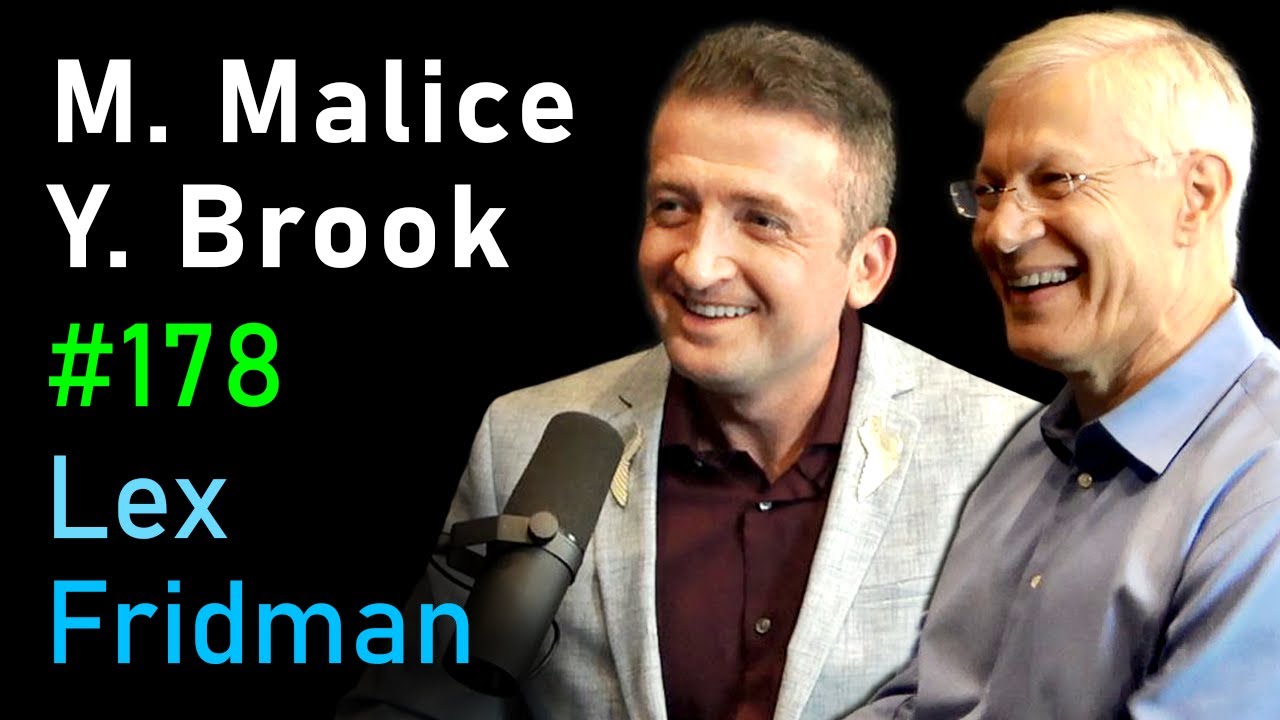 Michael Malice and Yaron Brook: Ayn Rand, Human Nature, and Anarchy
CORE TAKEAWAYS: - Michael Malice argues that anarchism can offer a viable alternative to…
4h 25m
Michael Malice and Yaron Brook: Ayn Rand, Human Nature, and Anarchy
CORE TAKEAWAYS: - Michael Malice argues that anarchism can offer a viable alternative to…
4h 25m
 Michael Malice: Christmas Special
CORE TAKEAWAYS: - Michael Malice's 'The White Pill' argues hope is essential amidst…
3h 40m
Michael Malice: Christmas Special
CORE TAKEAWAYS: - Michael Malice's 'The White Pill' argues hope is essential amidst…
3h 40m
More on these ideas
 Tim Urban: Tribalism, Marxism, Liberalism, Social Justice, and Politics
More like this
3h 7m
Tim Urban: Tribalism, Marxism, Liberalism, Social Justice, and Politics
More like this
3h 7m
 Alex Gladstein: Bitcoin, Authoritarianism, and Human Rights
More like this
2h 33m
Alex Gladstein: Bitcoin, Authoritarianism, and Human Rights
More like this
2h 33m
 Vejas Liulevicius: Communism, Marxism, Nazism, Stalin, Mao, and Hitler
Shares anarchism
3h 31m
Vejas Liulevicius: Communism, Marxism, Nazism, Stalin, Mao, and Hitler
Shares anarchism
3h 31m
 David Pakman: Politics of Trump, Biden, Bernie, AOC, Socialism & Wokeism
Shares conspiracy theories
3h 31m
David Pakman: Politics of Trump, Biden, Bernie, AOC, Socialism & Wokeism
Shares conspiracy theories
3h 31m
AI-generated summary · last refreshed 2026-06-06 22:10:42 · how we make these
Quotes are matched verbatim against the source transcript; references are checked to resolve to real URLs. Even so, AI can misread structure or attribute claims imperfectly. If you spot an error, please let us know.