Joe Rogan: Fear, Love, Chaos, and the Joe Rogan Experience
Core Takeaways
Joe Rogan emphasizes the fragility of societal civility, noting how easily it can be disrupted by events like the pandemic.
▶ 3:00
Why it matters
This highlights the vulnerability of social structures, suggesting a need for resilience planning.
Rogan argues that physical exertion is essential for mental health, likening the body to a battery that needs to discharge excess energy.
▶ 15:00
Why it matters
This suggests a potential link between physical activity and mental well-being, relevant for mental health strategies.
Rogan believes that martial arts training offers a realistic advantage in self-defense over traditional self-defense techniques.
▶ 45:00
Why it matters
This positions martial arts as a practical self-defense strategy, influencing self-defense training paradigms.
The conversation underscores the value of long-form podcasting for deep exploration of ideas, countering the trend towards shorter content.
▶ 1:00:00
Why it matters
This supports the argument for maintaining long-form content in an era of decreasing attention spans.
Ask this episode Deep
A preview of how Deep chat answers, grounded in this episode with citations and timestamps:
Cite this episode
For papers, blog posts, anywhere.
Related episodes
Where to go next from this conversation.
More from Joe Rogan
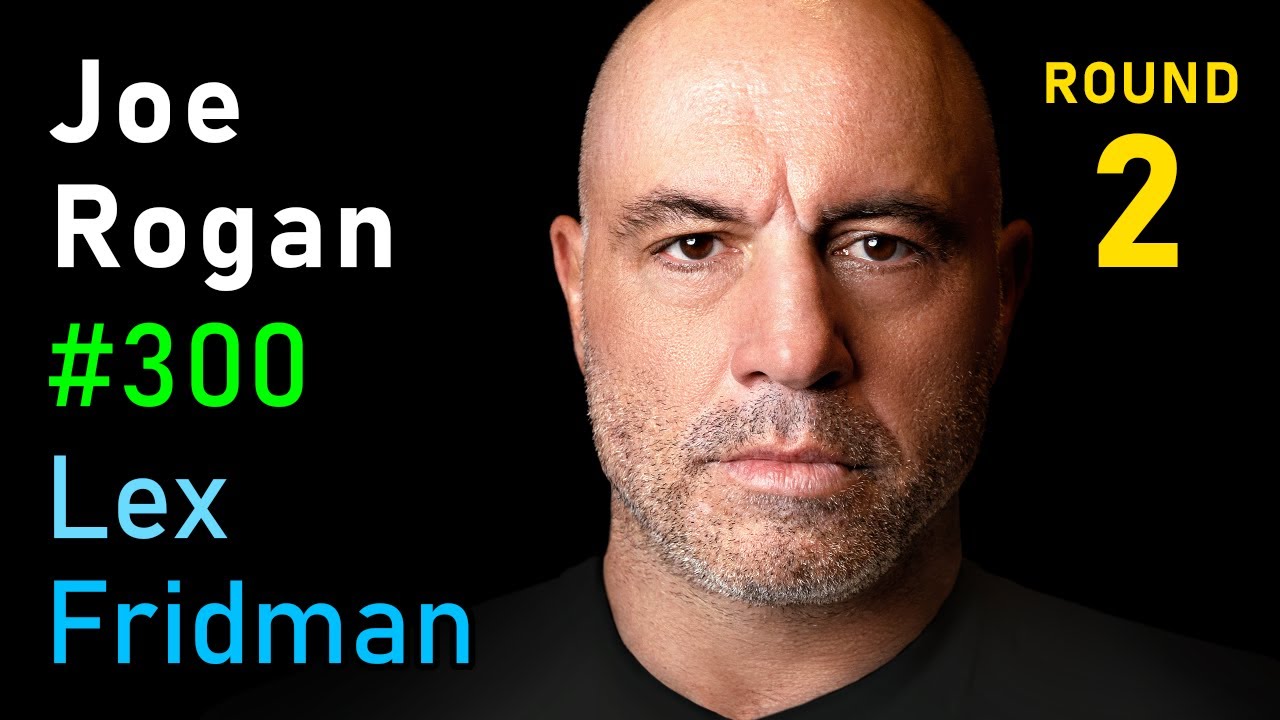
More on these ideas
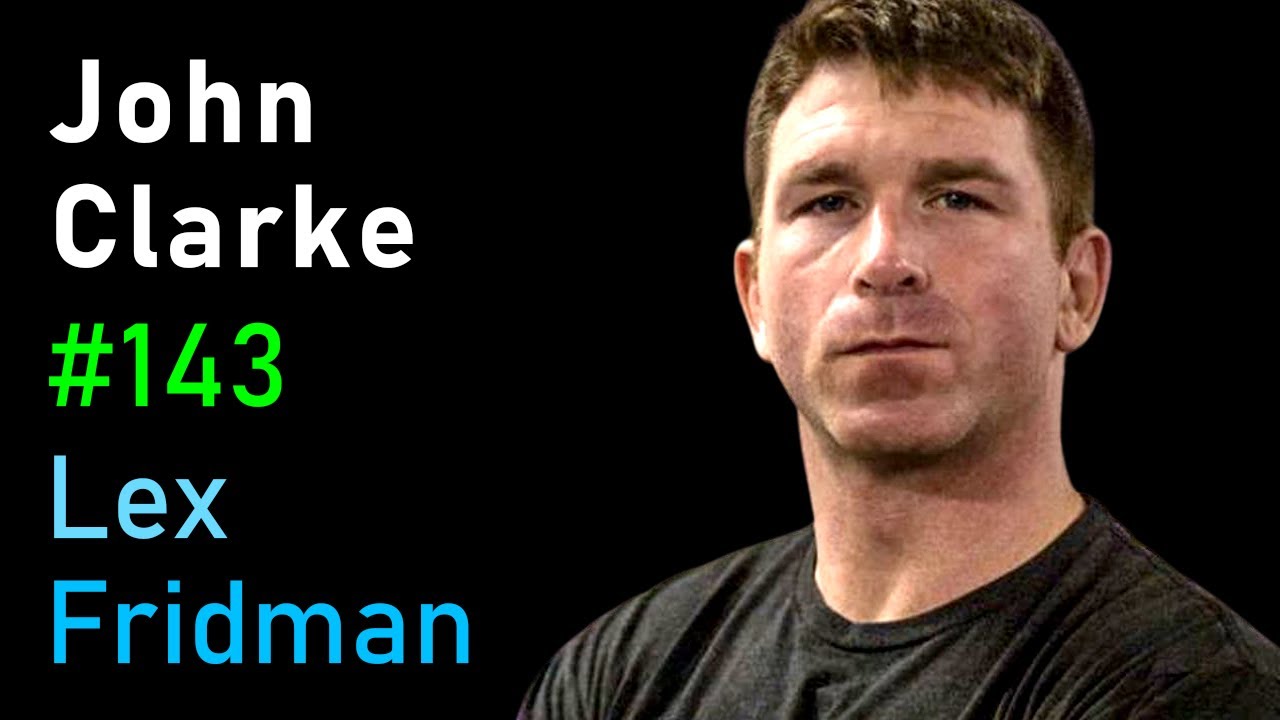 John Clarke: The Art of Fighting and the Pursuit of Excellence
Shares martial arts
2h 54m
John Clarke: The Art of Fighting and the Pursuit of Excellence
Shares martial arts
2h 54m
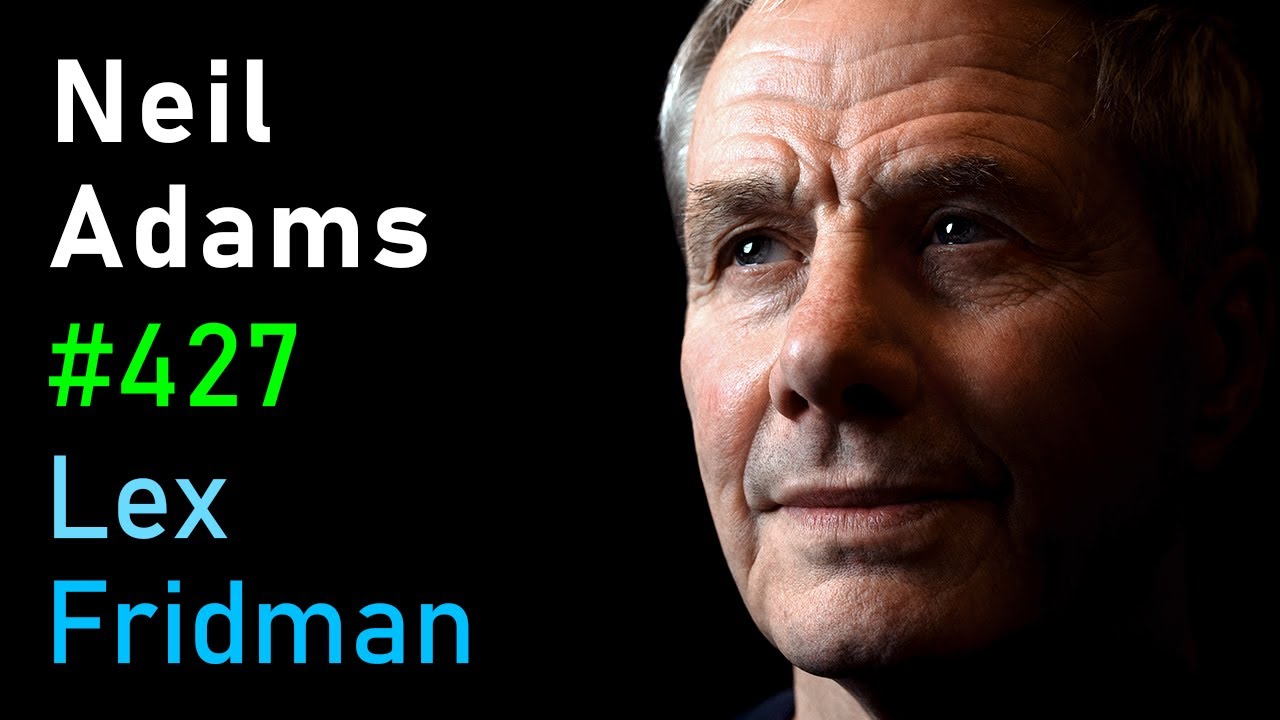 Neil Adams: Judo, Olympics, Winning, Losing, and the Champion Mindset
More like this
2h 27m
Neil Adams: Judo, Olympics, Winning, Losing, and the Champion Mindset
More like this
2h 27m
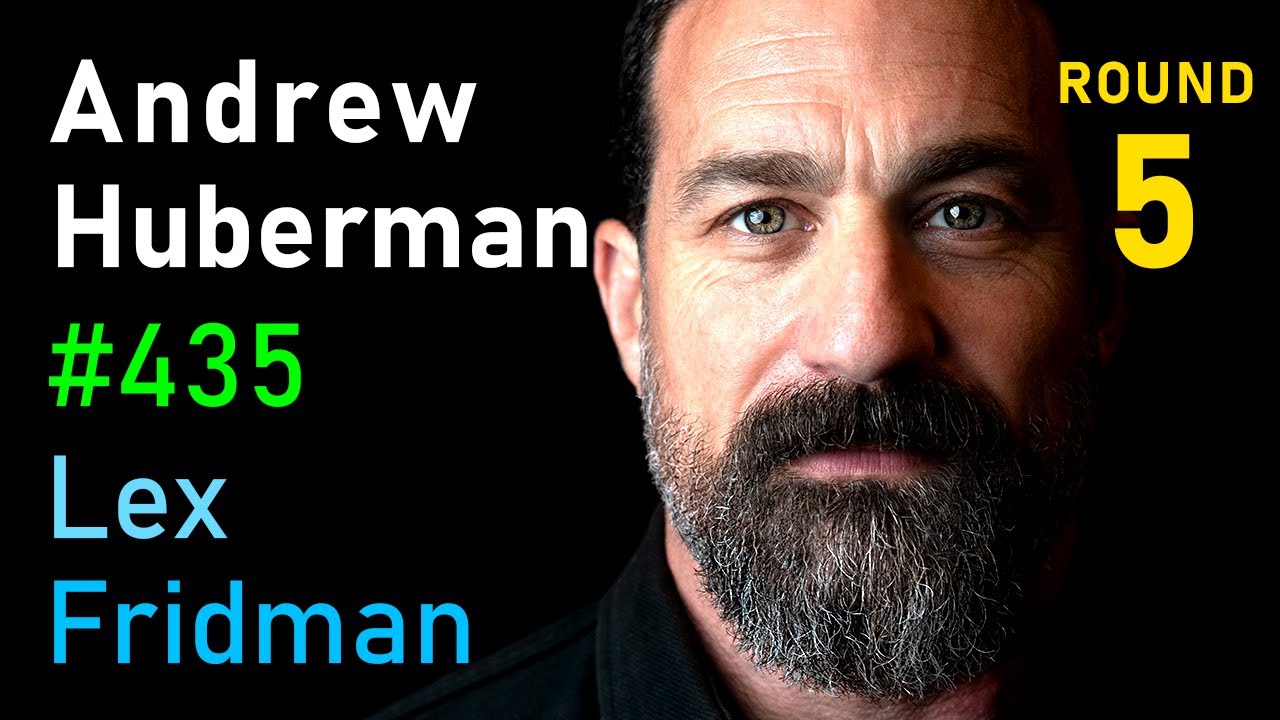 Andrew Huberman: Focus, Controversy, Politics, and Relationships
More like this
1h 47m
Andrew Huberman: Focus, Controversy, Politics, and Relationships
More like this
1h 47m
 Oliver Anthony: Country Music, Blue-Collar America, Fame, Money, and Pain
More like this
2h 19m
Oliver Anthony: Country Music, Blue-Collar America, Fame, Money, and Pain
More like this
2h 19m
AI-generated summary · last refreshed 2026-06-06 22:11:54 · how we make these
Quotes are matched verbatim against the source transcript; references are checked to resolve to real URLs. Even so, AI can misread structure or attribute claims imperfectly. If you spot an error, please let us know.