Russ Tedrake: Underactuated Robotics, Control, Dynamics and Touch
Core Takeaways
Passive dynamic walkers, powered only by gravity, demonstrate more natural movement than complex robots like Honda's Asimo.
▶ 1:00
Why it matters
This highlights the potential for energy-efficient robotic designs that mimic natural movement without complex control systems.
Underactuated robotics, with fewer actuators than degrees of freedom, leverage physics for control, common in both robots and humans.
▶ 50:00
Why it matters
Understanding underactuation is essential for designing efficient, adaptable robotic systems that can perform complex tasks with minimal control.
Cultural perceptions of robots, influenced by media like 'Terminator' and 'Astro Boy,' shape public fear and acceptance.
▶ 1:30:00
Why it matters
These perceptions impact policy, funding, and the integration of robotics into society, affecting technological advancement.
Drake simulator integrates multi-body dynamics and contact physics, crucial for realistic robotic manipulation.
▶ 2:10:00
Why it matters
Drake's capabilities allow for the development of more sophisticated control systems, advancing robotic functionality and safety.
Soft robotics changes contact mechanics, enabling distributed loads and reducing risks of damage.
▶ 2:45:00
Why it matters
Soft robotics can lead to safer human-robot interactions and expand the range of tasks robots can perform safely.
Ask this episode Deep
A preview of how Deep chat answers, grounded in this episode with citations and timestamps:
Cite this episode
For papers, blog posts, anywhere.
Related episodes
Where to go next from this conversation.
More on these ideas
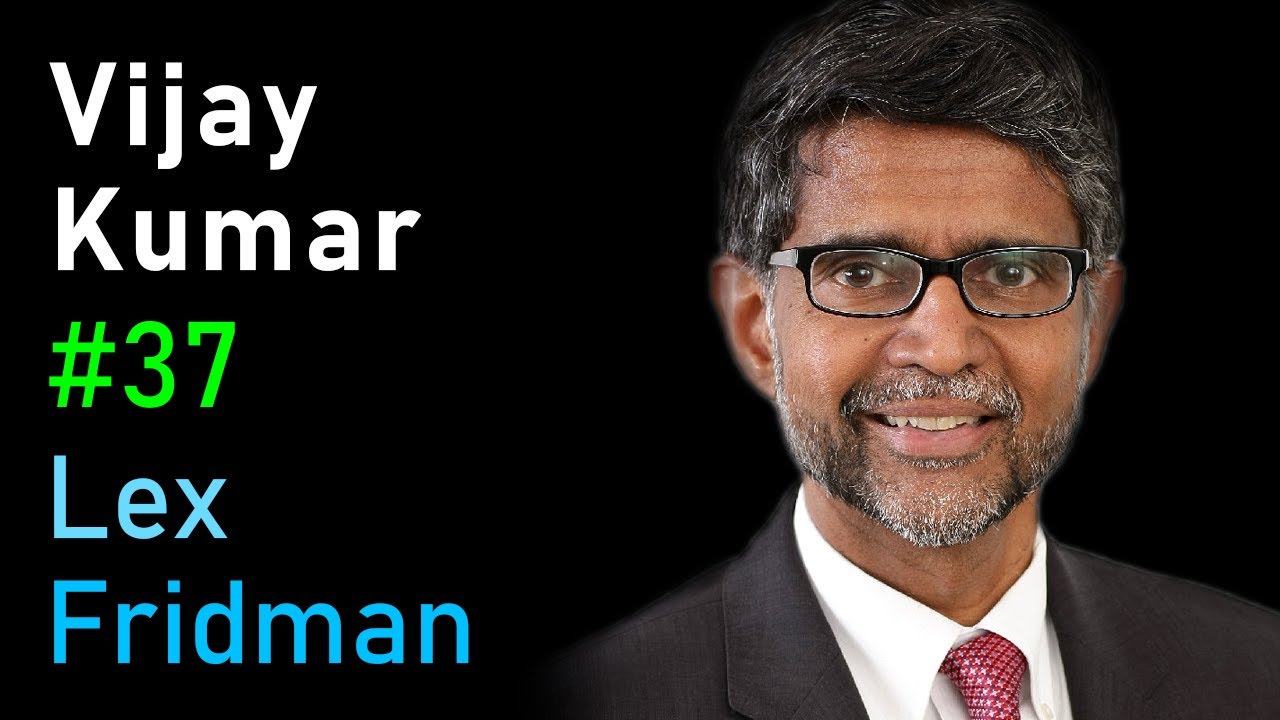 Vijay Kumar: Flying Robots
More like this
56m
Vijay Kumar: Flying Robots
More like this
56m
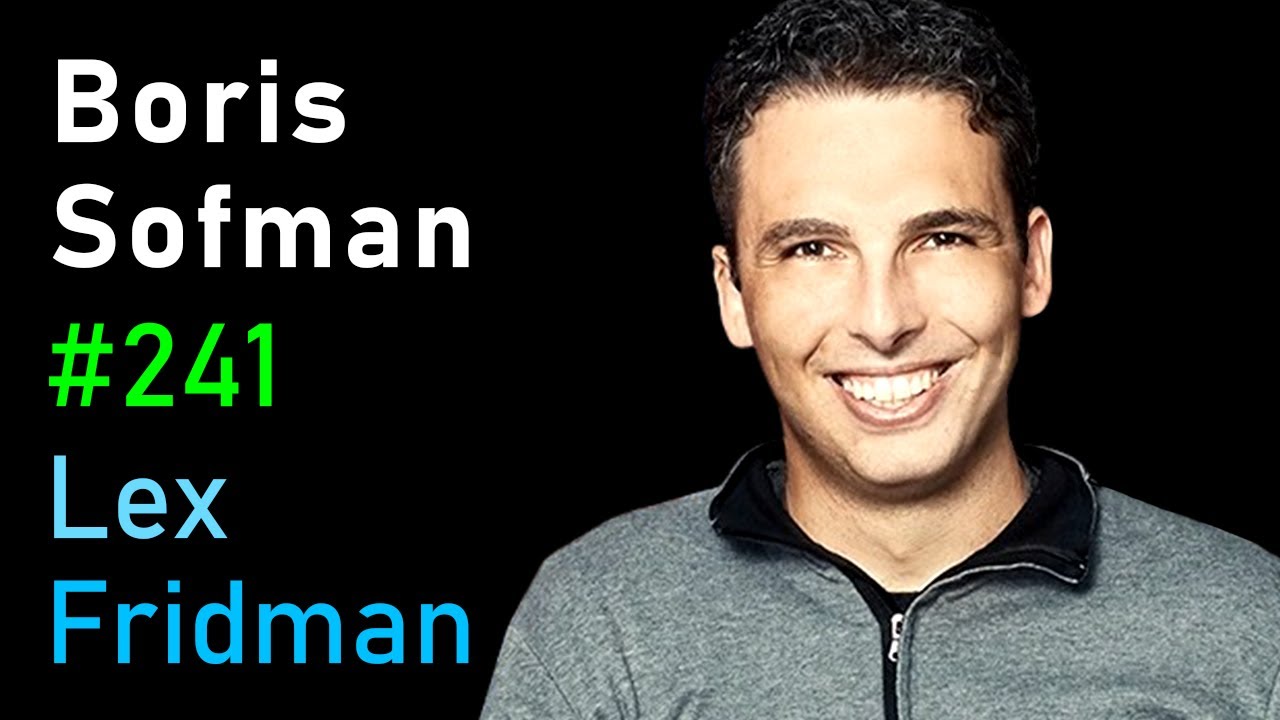 Boris Sofman: Waymo, Cozmo, Self-Driving Cars, and the Future of Robotics
More like this
3h 14m
Boris Sofman: Waymo, Cozmo, Self-Driving Cars, and the Future of Robotics
More like this
3h 14m
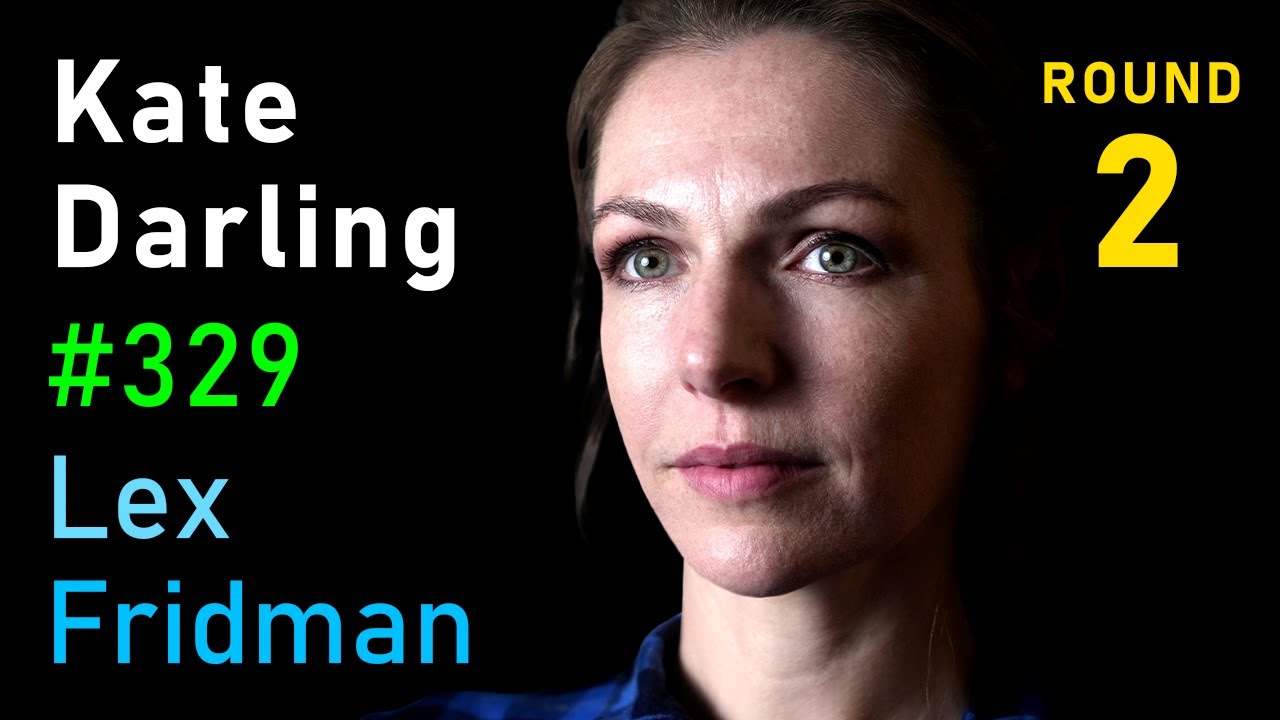 Kate Darling: Social Robots, Ethics, Privacy and the Future of MIT
More like this
3h 3m
Kate Darling: Social Robots, Ethics, Privacy and the Future of MIT
More like this
3h 3m
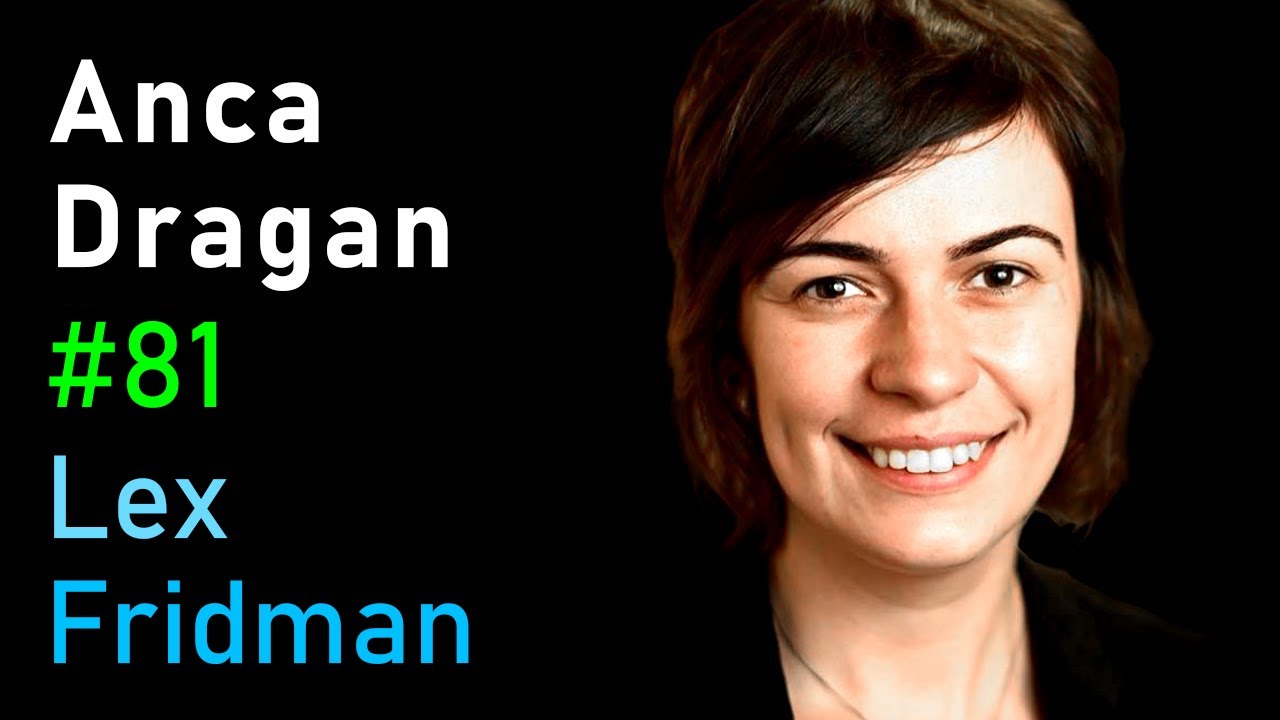 Anca Dragan: Human-Robot Interaction and Reward Engineering
More like this
1h 38m
Anca Dragan: Human-Robot Interaction and Reward Engineering
More like this
1h 38m
AI-generated summary · last refreshed 2026-06-06 22:29:10 · how we make these
Quotes are matched verbatim against the source transcript; references are checked to resolve to real URLs. Even so, AI can misread structure or attribute claims imperfectly. If you spot an error, please let us know.