Vivek Ramaswamy: Trump, Conservatism, Nationalism, Immigration, and War
Core Takeaways
Vivek Ramaswamy proposes a 75% reduction in federal bureaucracy to streamline governance.
▶ 2:00
Why it matters
Such a reduction could drastically alter the federal government's role and efficiency.
He argues that meritocracy and group quotas are mutually exclusive, leading to increased societal division.
▶ 4:30
Why it matters
This stance challenges current diversity initiatives, suggesting they may exacerbate racial tensions.
Ramaswamy claims the U.S. immigration system incentivizes dishonesty over civic allegiance.
▶ 11:45
Why it matters
This critique highlights potential flaws in the immigration system that could undermine national integrity.
He believes the suppression of the Hunter Biden laptop story influenced the 2020 election outcome.
▶ 1:05:30
Why it matters
This claim raises concerns about media influence on democratic processes.
Ramaswamy views the Russia-China military alliance as the greatest threat to U.S. security.
▶ 1:20:00
Why it matters
Addressing this alliance could reshape U.S. foreign policy and global power dynamics.
Ask this episode Deep
A preview of how Deep chat answers, grounded in this episode with citations and timestamps:
Cite this episode
For papers, blog posts, anywhere.
Related episodes
Where to go next from this conversation.
More on these ideas
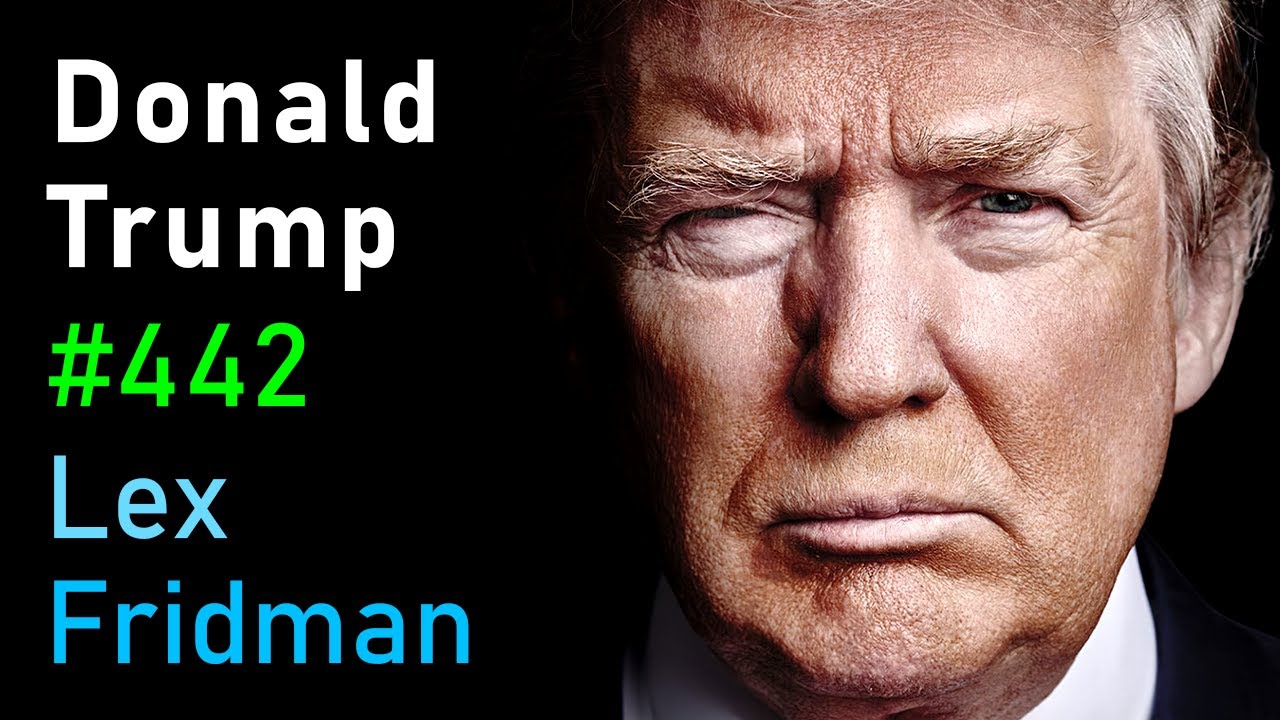 Donald Trump Interview
Shares immigration, election integrity
1h 4m
Donald Trump Interview
Shares immigration, election integrity
1h 4m
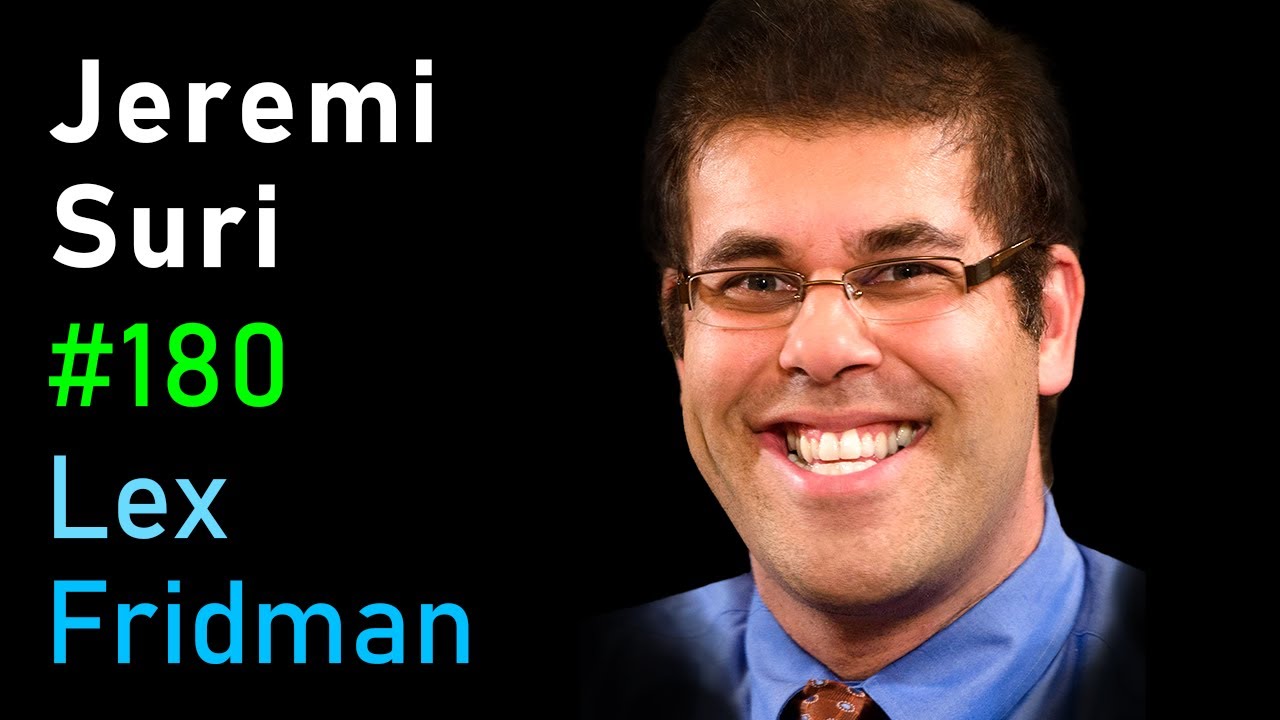 Jeremi Suri: History of American Power
More like this
2h 8m
Jeremi Suri: History of American Power
More like this
2h 8m
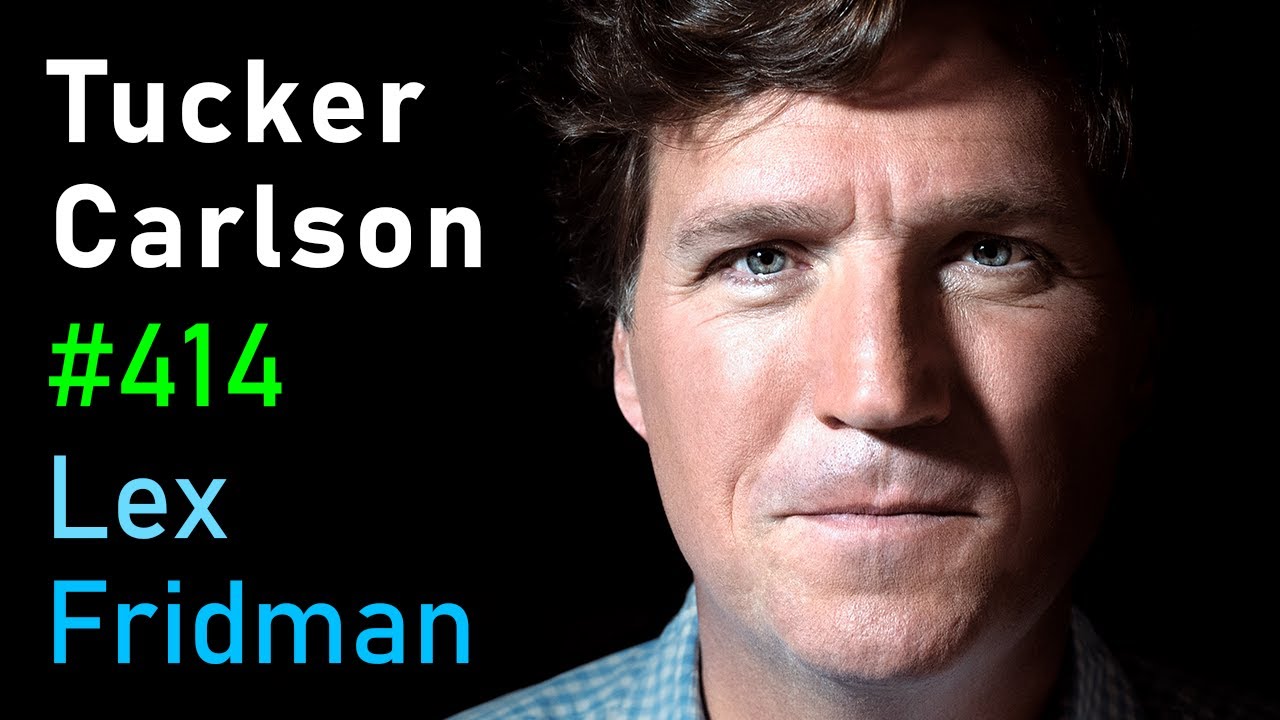 Tucker Carlson: Putin, Navalny, Trump, CIA, NSA, War, Politics & Freedom
Shares election integrity
3h 4m
Tucker Carlson: Putin, Navalny, Trump, CIA, NSA, War, Politics & Freedom
Shares election integrity
3h 4m
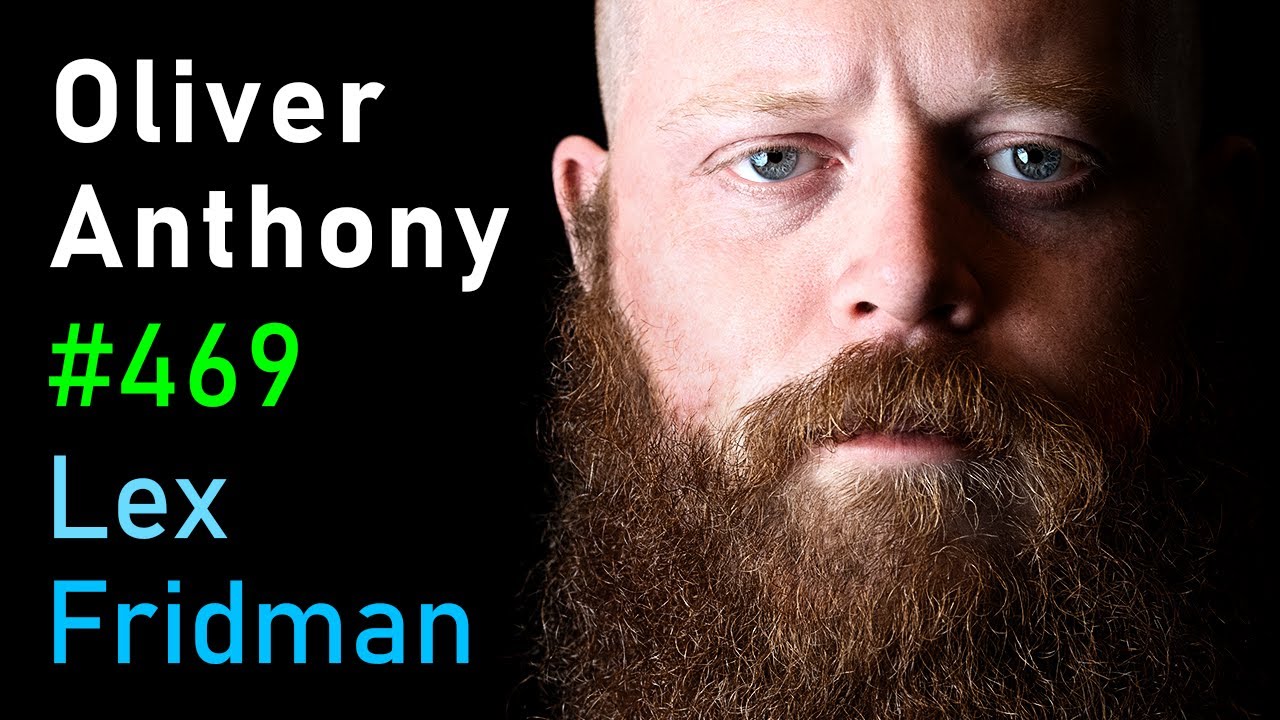 Oliver Anthony: Country Music, Blue-Collar America, Fame, Money, and Pain
Shares bureaucracy
2h 19m
Oliver Anthony: Country Music, Blue-Collar America, Fame, Money, and Pain
Shares bureaucracy
2h 19m
AI-generated summary · last refreshed 2026-05-28 15:20:06 · how we make these
Quotes are matched verbatim against the source transcript; references are checked to resolve to real URLs. Even so, AI can misread structure or attribute claims imperfectly. If you spot an error, please let us know.