Dawn Song: Adversarial Machine Learning and Computer Security
Core Takeaways
Adversarial machine learning can manipulate input data to mislead systems, posing risks at both inference and training stages.
Why it matters
These vulnerabilities can lead to significant security breaches, affecting decision-making in critical systems like autonomous vehicles.
Social engineering attacks are increasingly targeting human vulnerabilities, with AI tools potentially aiding defense.
▶ 2:30
Why it matters
Human error remains a major security risk, but AI can mitigate some threats by enhancing human decision-making capabilities.
Differential privacy introduces noise to protect individual data while maintaining model utility.
▶ 15:45
Why it matters
Differential privacy aims to balance data utility and privacy, crucial for ethical AI deployment.
Blockchain's decentralized consensus mechanisms offer security but lack inherent confidentiality, requiring additional privacy measures.
▶ 45:30
Why it matters
While secure, blockchain's transparency poses privacy challenges, necessitating innovative solutions for confidential transactions.
Program synthesis is emerging as a key area for developing intelligent systems, focusing on translating complex tasks into executable programs.
▶ 1:10:00
Why it matters
Advancements in program synthesis could accelerate the development of artificial general intelligence, impacting various tech sectors.
Ask this episode Deep
A preview of how Deep chat answers, grounded in this episode with citations and timestamps:
Cite this episode
For papers, blog posts, anywhere.
Related episodes
Where to go next from this conversation.
More on these ideas
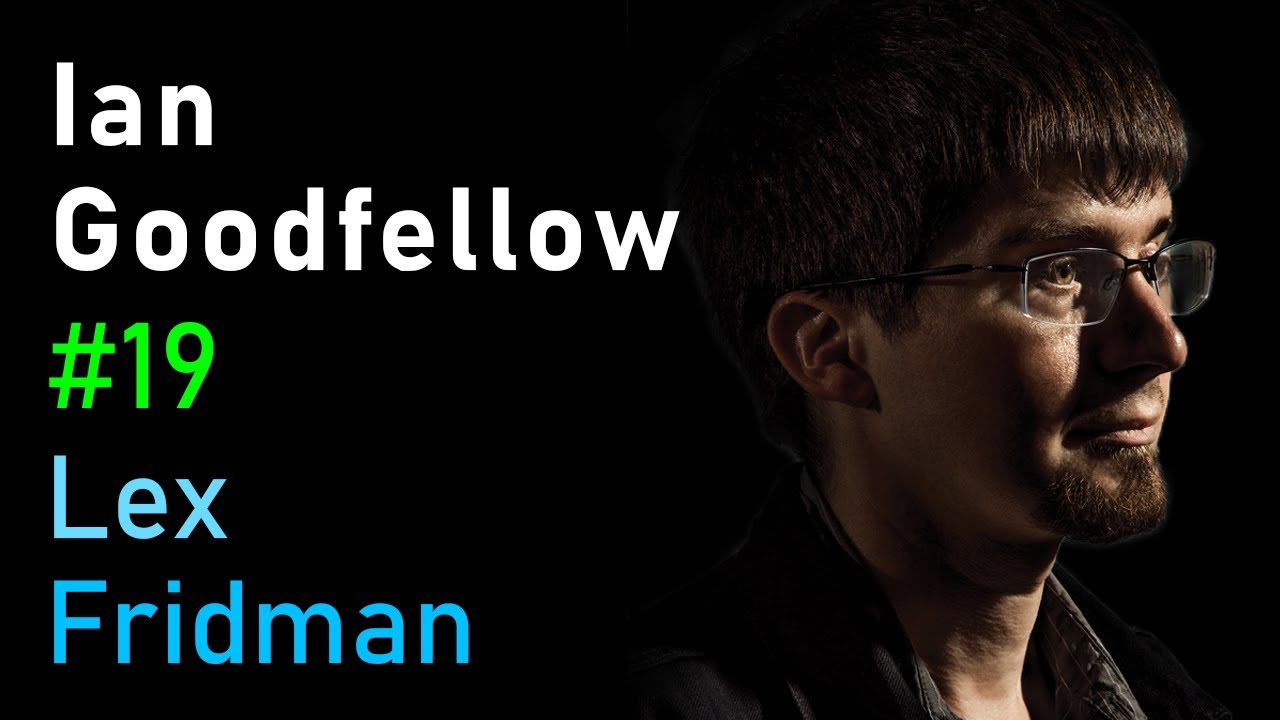 Ian Goodfellow: Generative Adversarial Networks (GANs)
Shares differential privacy
1h 8m
Ian Goodfellow: Generative Adversarial Networks (GANs)
Shares differential privacy
1h 8m
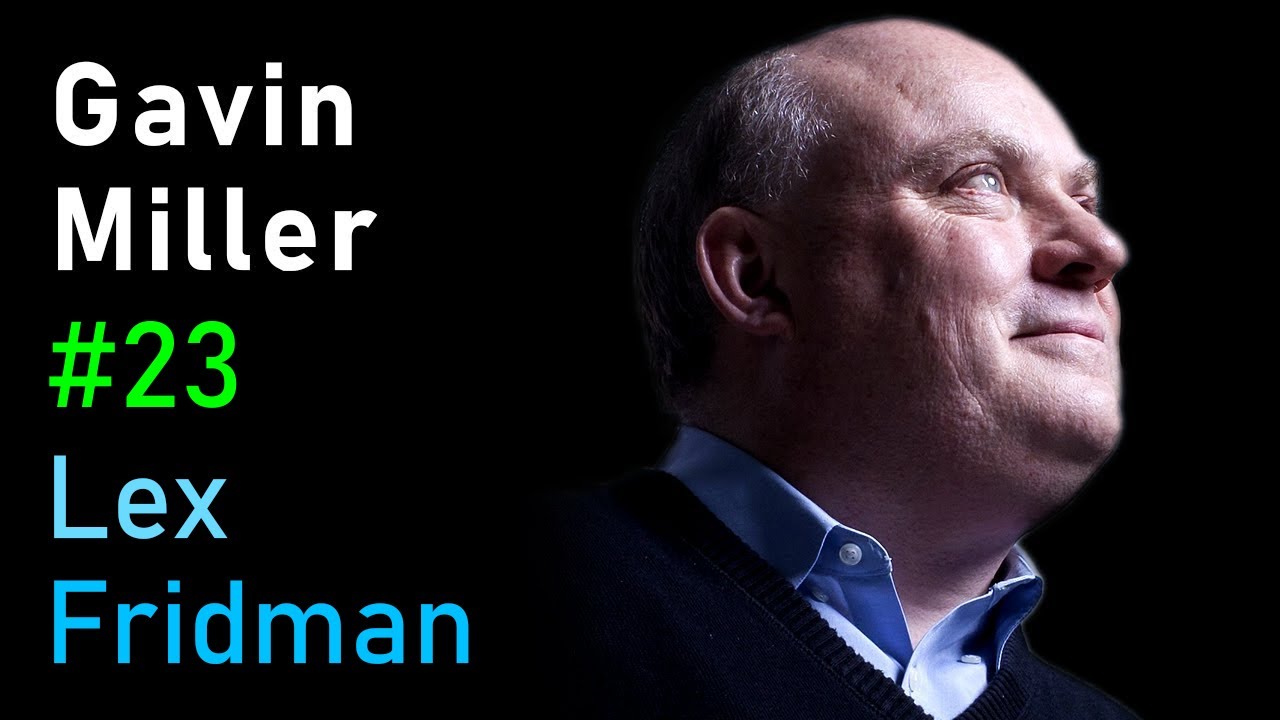 Gavin Miller: Adobe Research
More like this
1h 9m
Gavin Miller: Adobe Research
More like this
1h 9m
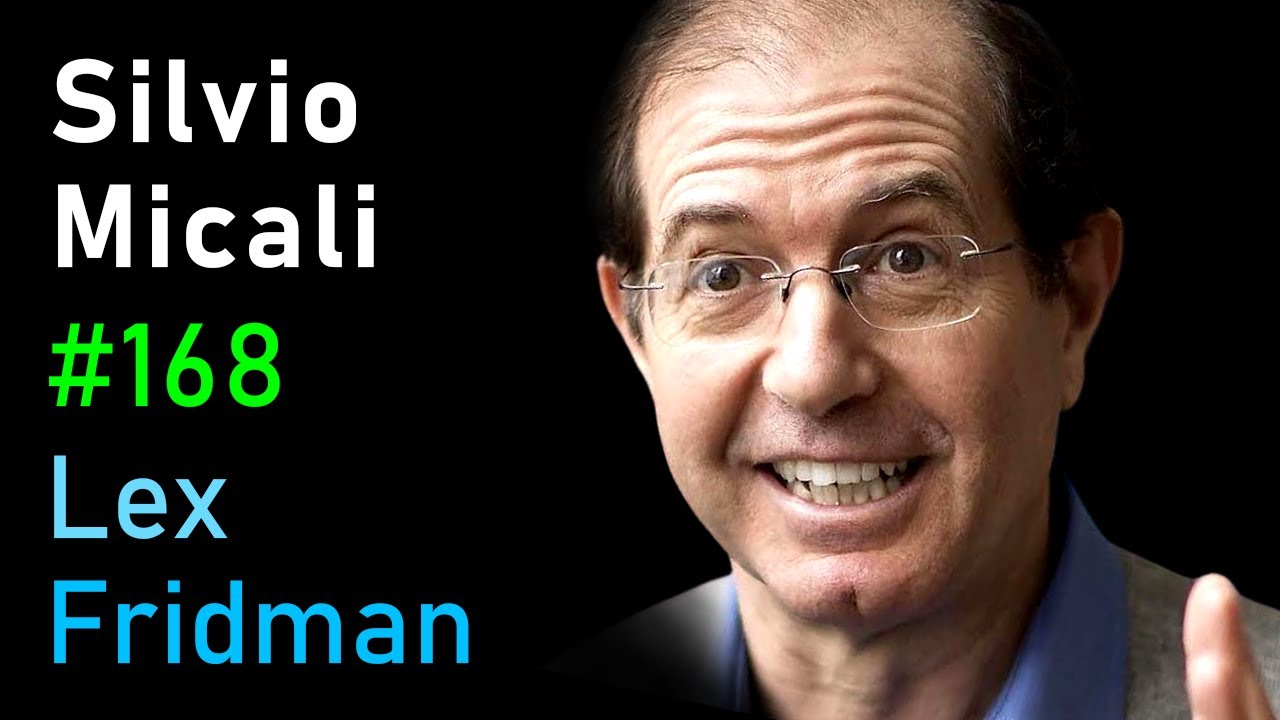 Silvio Micali: Cryptocurrency, Blockchain, Algorand, Bitcoin & Ethereum
Shares blockchain
1h 53m
Silvio Micali: Cryptocurrency, Blockchain, Algorand, Bitcoin & Ethereum
Shares blockchain
1h 53m
 Cursor Team: Future of Programming with AI
More like this
2h 29m
Cursor Team: Future of Programming with AI
More like this
2h 29m
AI-generated summary · last refreshed 2026-06-06 22:47:22 · how we make these
Quotes are matched verbatim against the source transcript; references are checked to resolve to real URLs. Even so, AI can misread structure or attribute claims imperfectly. If you spot an error, please let us know.