Simon Sinek: Leadership, Hard Work, Optimism and the Infinite Game
Core Takeaways
Simon Sinek differentiates between finite and infinite games, emphasizing the importance of an infinite mindset for long-term success.
Why it matters
An infinite mindset encourages continuous growth and adaptability, crucial for enduring success in business and personal life.
Executives who prioritize sleep over late-night work are more productive due to better cognitive function, according to studies.
▶ 30:00
Why it matters
This challenges the hustle culture, suggesting that well-being can enhance rather than hinder productivity.
Organizations that provide a sense of purpose beyond profit foster greater employee engagement and passion.
▶ 45:00
Why it matters
Purpose-driven companies tend to have lower turnover and higher employee satisfaction, impacting long-term success.
Most startups fail the 'school bus test,' meaning they can't survive without their founder, highlighting leadership sustainability issues.
▶ 1:10:00
Why it matters
This underscores the need for sustainable leadership models that can endure beyond individual founders.
Sinek argues that pressure in leadership should be applied for meaningful reasons, not just to meet arbitrary targets.
▶ 1:20:00
Why it matters
Meaningful pressure aligns teams with a shared vision, enhancing motivation and reducing burnout.
Ask this episode Deep
A preview of how Deep chat answers, grounded in this episode with citations and timestamps:
Cite this episode
For papers, blog posts, anywhere.
Related episodes
Where to go next from this conversation.
More on these ideas
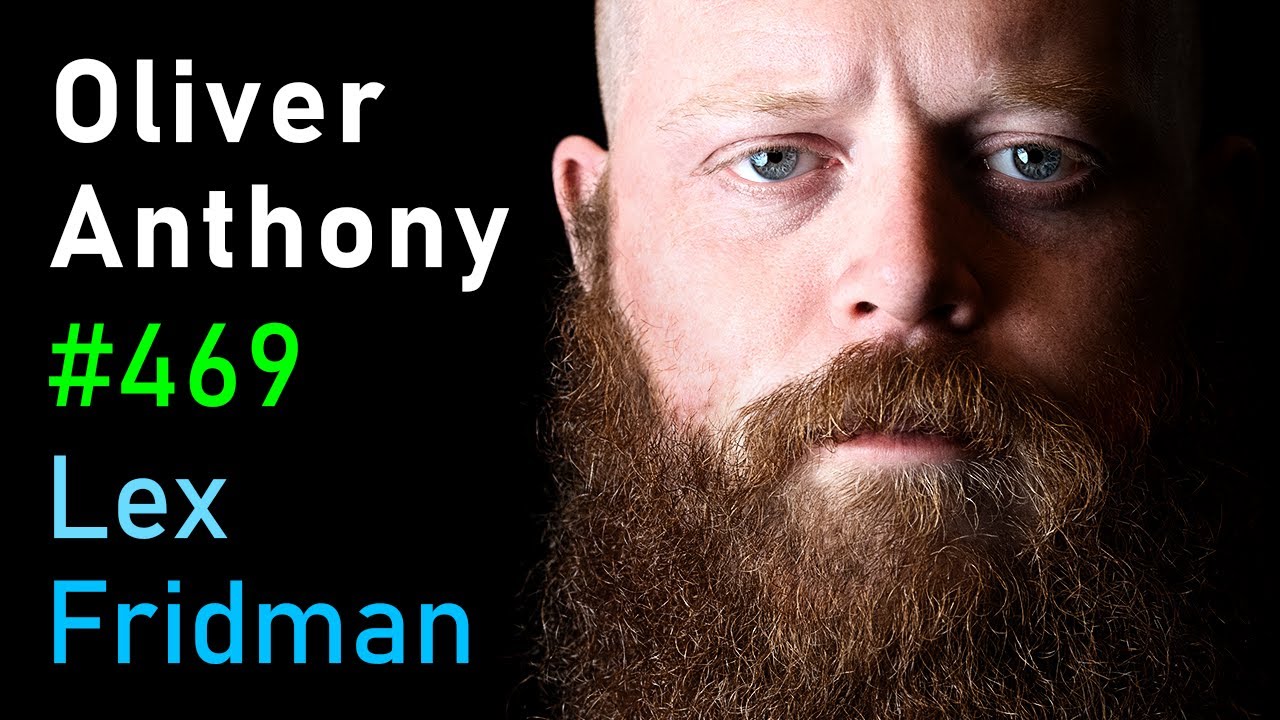 Oliver Anthony: Country Music, Blue-Collar America, Fame, Money, and Pain
Shares leadership
2h 19m
Oliver Anthony: Country Music, Blue-Collar America, Fame, Money, and Pain
Shares leadership
2h 19m
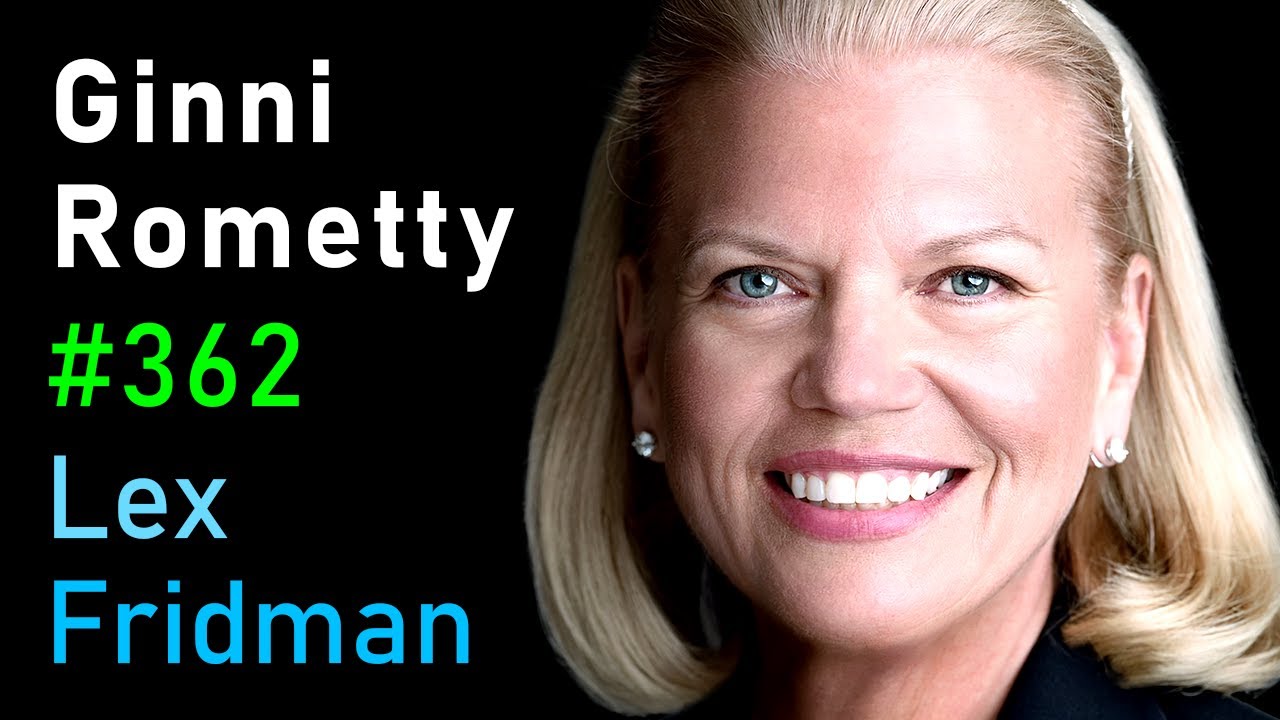 Ginni Rometty: IBM CEO on Leadership, Power, and Adversity
Shares leadership
1h 52m
Ginni Rometty: IBM CEO on Leadership, Power, and Adversity
Shares leadership
1h 52m
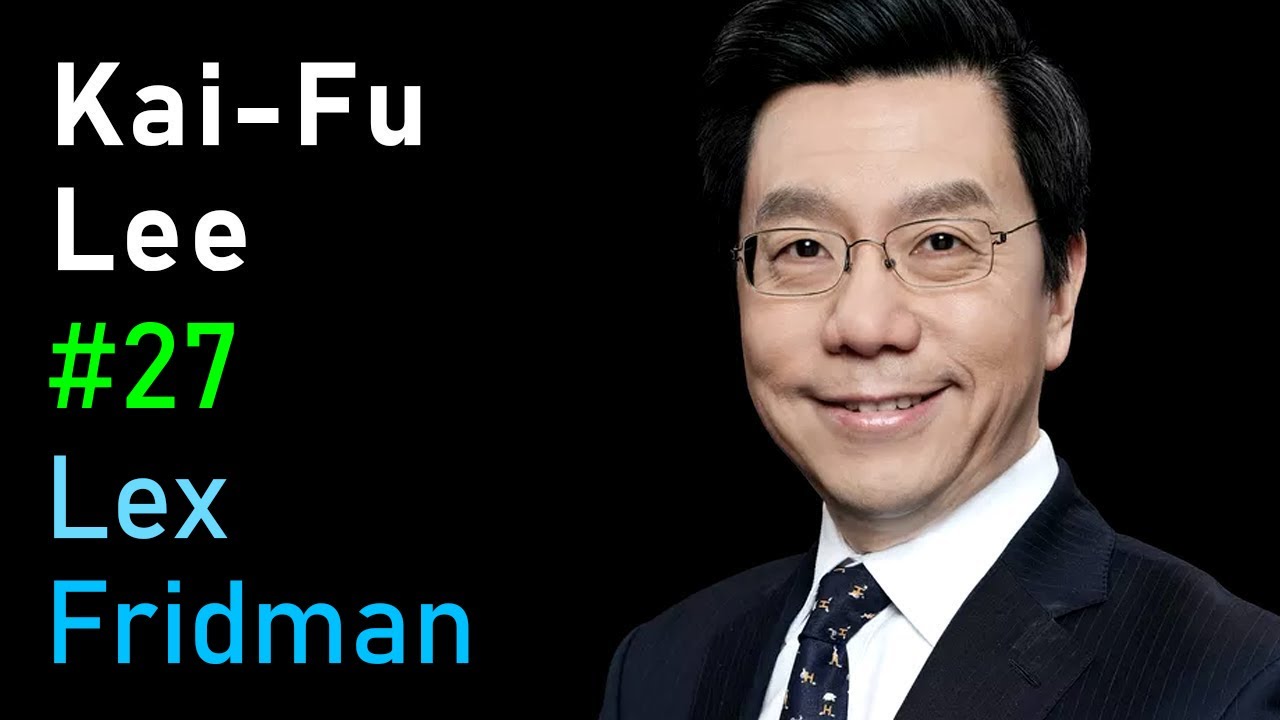 Kai-Fu Lee: AI Superpowers - China and Silicon Valley
Shares work-life balance
1h 26m
Kai-Fu Lee: AI Superpowers - China and Silicon Valley
Shares work-life balance
1h 26m
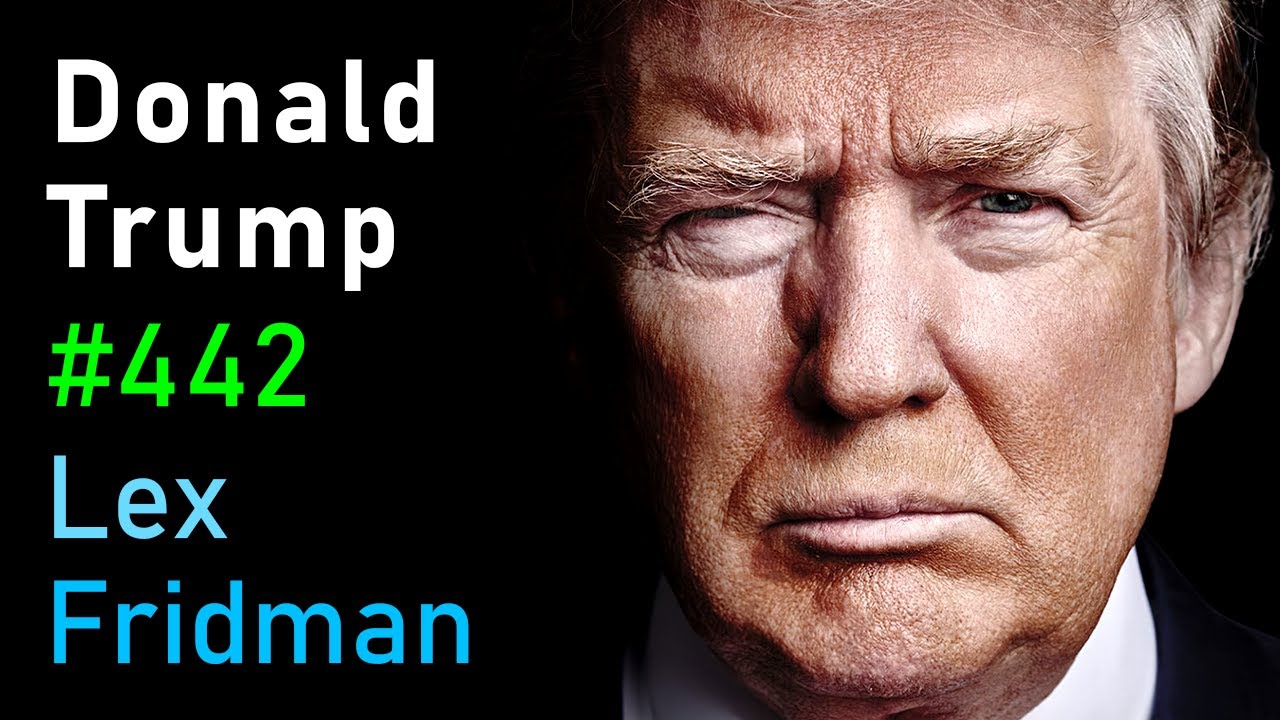 Donald Trump Interview
Shares leadership
1h 4m
Donald Trump Interview
Shares leadership
1h 4m
AI-generated summary · last refreshed 2026-06-06 22:58:32 · how we make these
Quotes are matched verbatim against the source transcript; references are checked to resolve to real URLs. Even so, AI can misread structure or attribute claims imperfectly. If you spot an error, please let us know.