Cristos Goodrow: YouTube Algorithm
Core Takeaways
YouTube's recommendation system processes over 500,000 hours of new video daily, more than a human could watch in a lifetime.
Why it matters
This highlights the scale of YouTube's data processing challenge and the necessity for efficient algorithms.
YouTube uses collaborative filtering and clustering to offer diverse content recommendations, such as suggesting jazz to science viewers.
▶ 2:30
Why it matters
This approach aims to broaden user engagement by introducing unexpected yet relevant content.
User interactions like likes, dislikes, and comments are key signals in YouTube's algorithm to gauge satisfaction and improve recommendations.
▶ 30:00
Why it matters
Understanding these signals helps YouTube tailor content to individual preferences, enhancing user satisfaction.
A-B testing on YouTube involves hundreds of variables to refine viewer experience and optimize algorithm changes.
▶ 45:00
Why it matters
This rigorous testing ensures that changes to the algorithm positively impact user engagement and satisfaction.
Self-supervised learning is seen as a future pathway for video intelligence, but summarizing video content remains largely unsolved.
▶ 1:10:00
Why it matters
Advancements in this area could revolutionize content discovery and personalization on platforms like YouTube.
Ask this episode Deep
A preview of how Deep chat answers, grounded in this episode with citations and timestamps:
Cite this episode
For papers, blog posts, anywhere.
Related episodes
Where to go next from this conversation.
More on these ideas
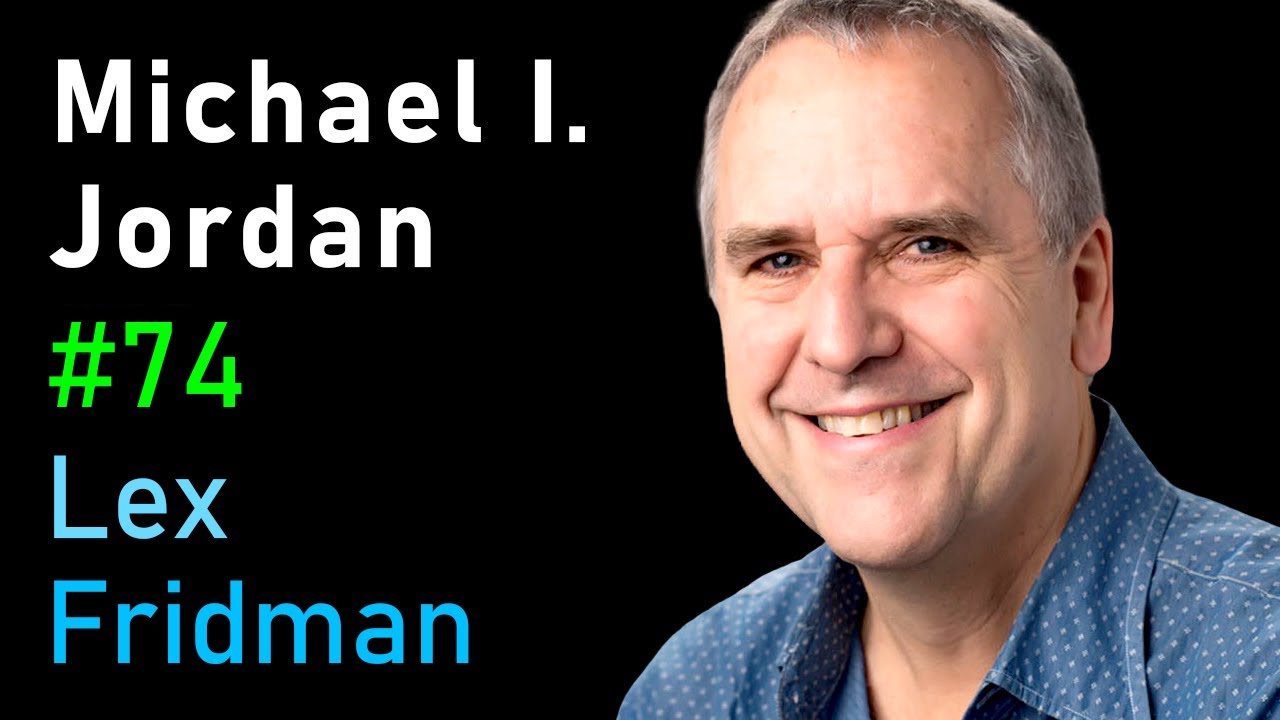 Michael I. Jordan: Machine Learning, Recommender Systems, and Future of AI
Shares recommendation systems
1h 45m
Michael I. Jordan: Machine Learning, Recommender Systems, and Future of AI
Shares recommendation systems
1h 45m
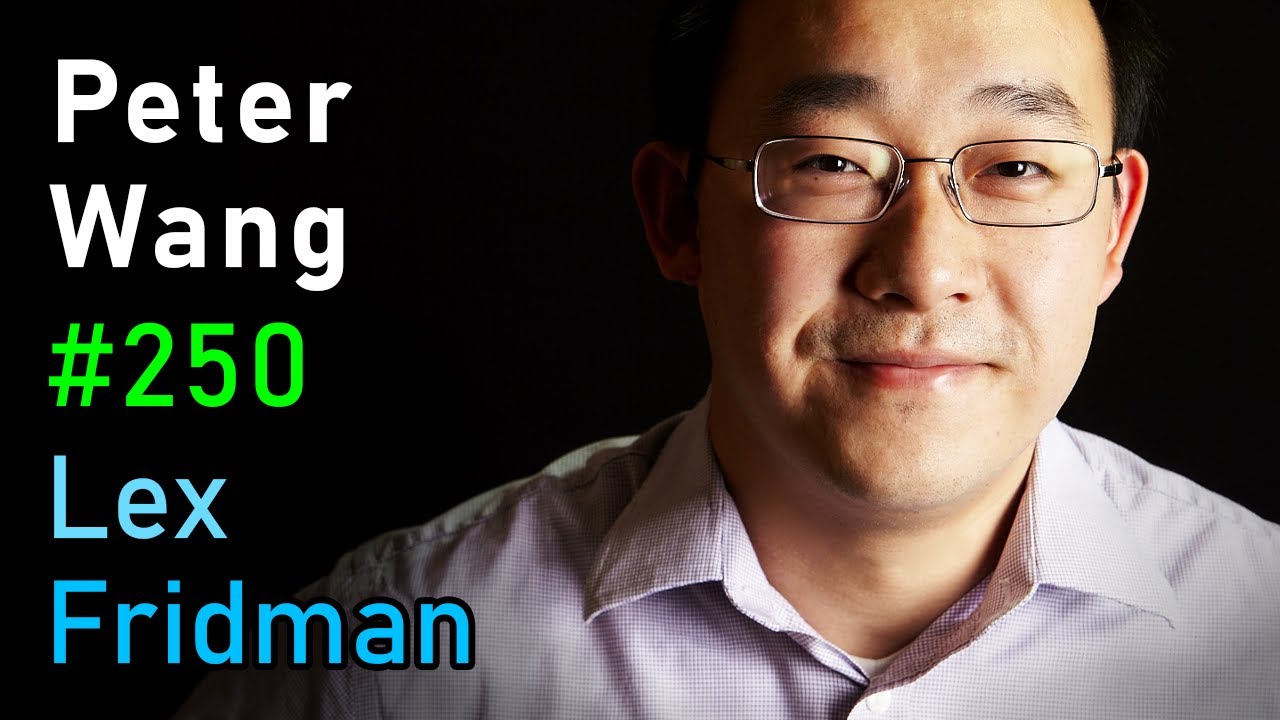 Peter Wang: Python and the Source Code of Humans, Computers, and Reality
More like this
2h 46m
Peter Wang: Python and the Source Code of Humans, Computers, and Reality
More like this
2h 46m
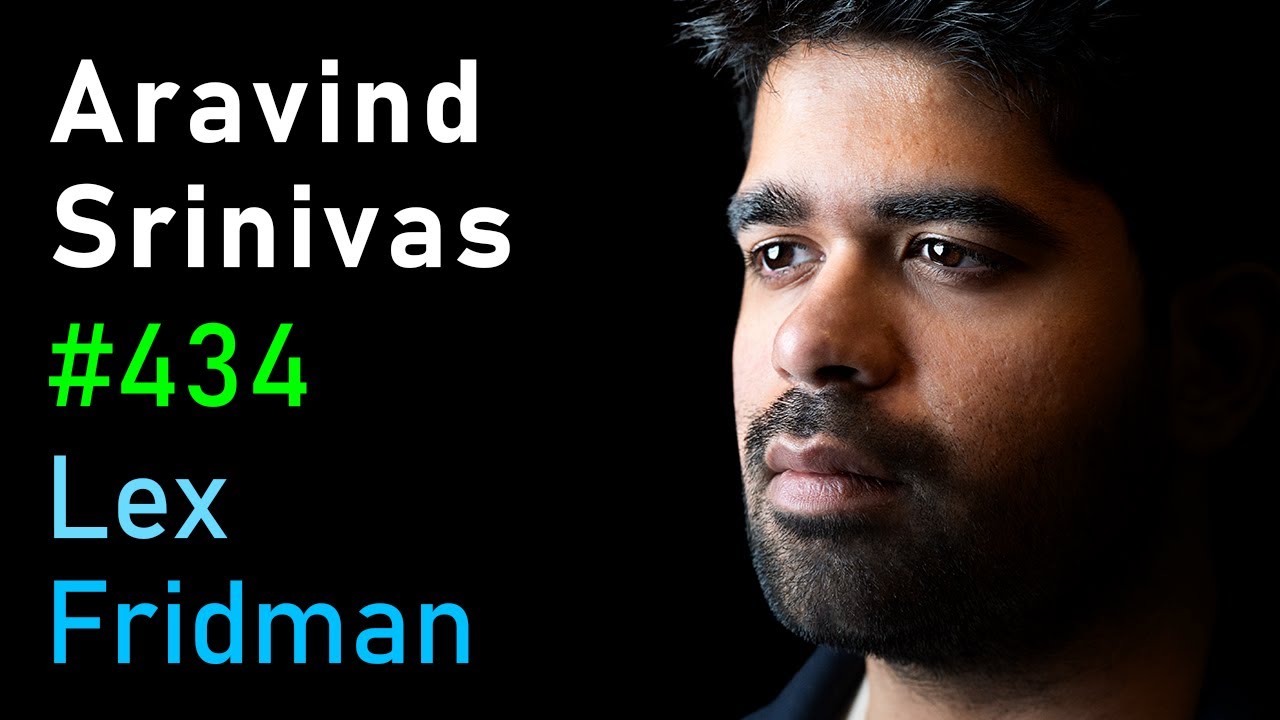 Aravind Srinivas: Perplexity CEO on Future of AI, Search & the Internet
More like this
3h 2m
Aravind Srinivas: Perplexity CEO on Future of AI, Search & the Internet
More like this
3h 2m
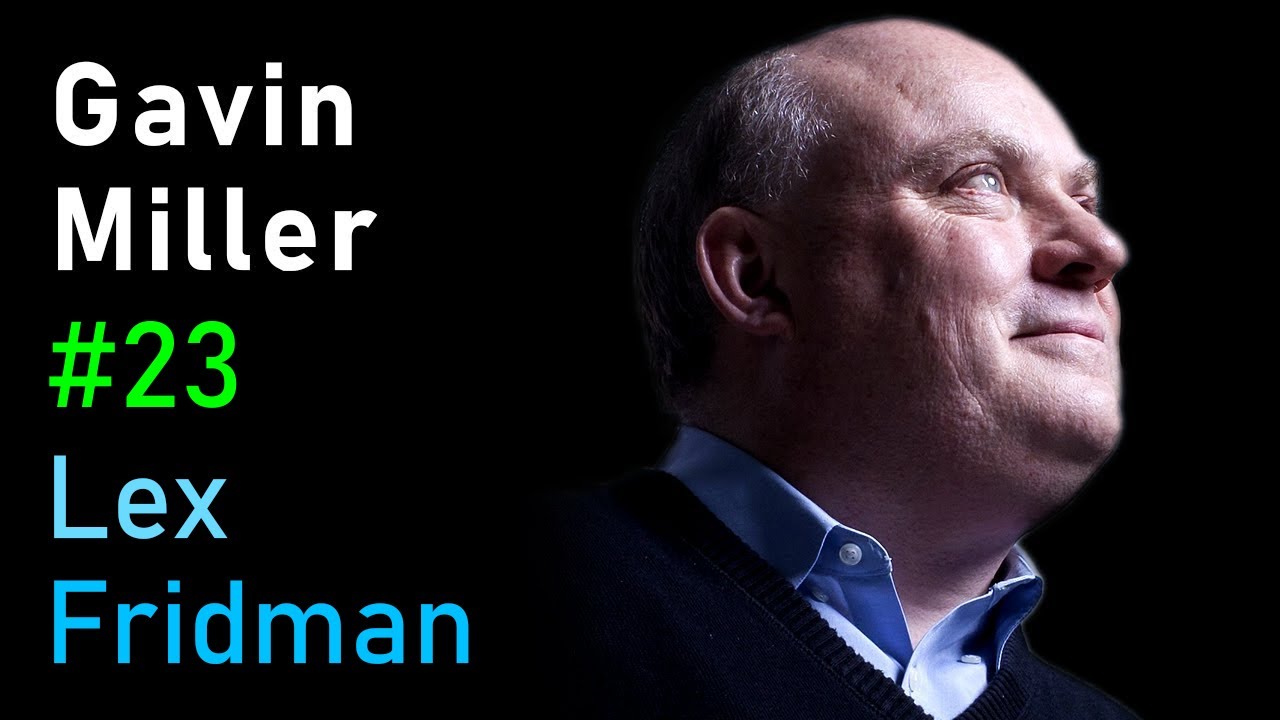 Gavin Miller: Adobe Research
More like this
1h 9m
Gavin Miller: Adobe Research
More like this
1h 9m
AI-generated summary · last refreshed 2026-06-08 16:51:16 · how we make these
Quotes are matched verbatim against the source transcript; references are checked to resolve to real URLs. Even so, AI can misread structure or attribute claims imperfectly. If you spot an error, please let us know.