Skip to content
TLexDR
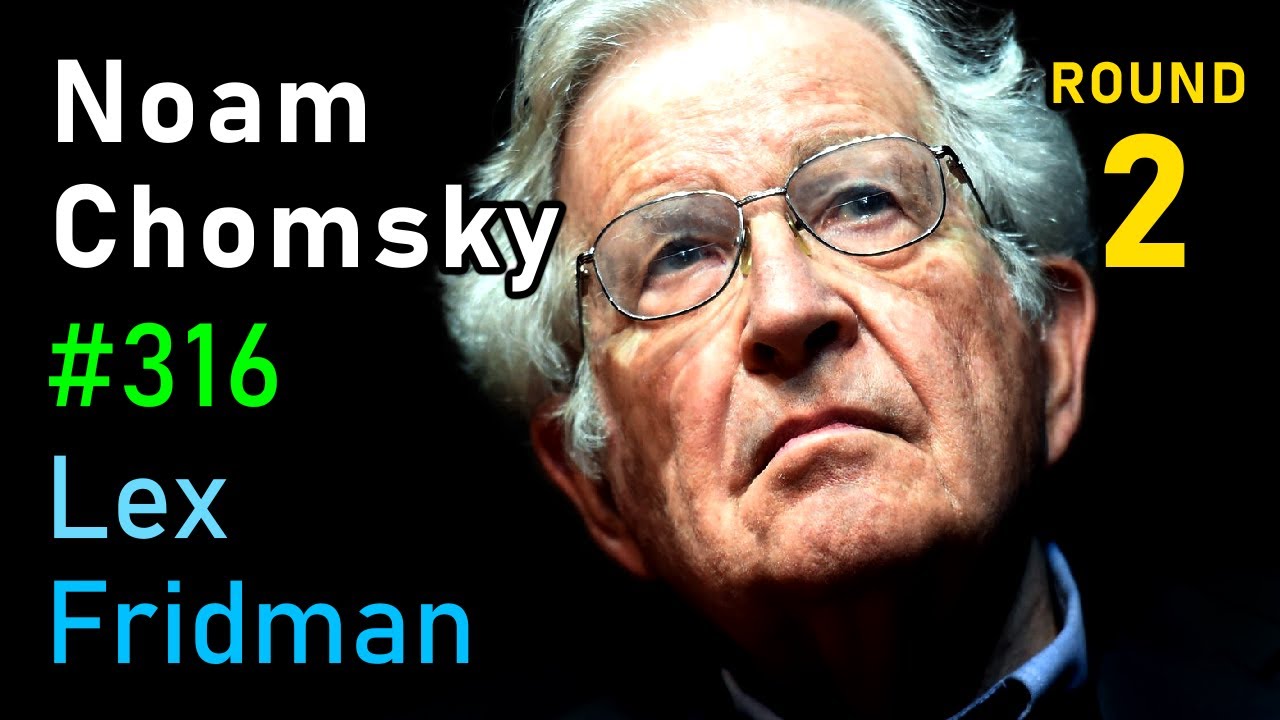
Episodes / Noam Chomsky: Language, Cognition, and Deep Learning

Noam Chomsky: Language, Cognition, and Deep Learning

05-28-26 ▶ 35m 📖 1 min read
Core Takeaways
Chomsky argues that language is a unique cognitive capacity linked to human nature, not merely a communication tool.
Why it matters This challenges the view that language is just an evolved communication system, emphasizing its role in human thought.
Deep learning, according to Chomsky, identifies patterns but lacks the capability to understand language structure or contribute to scientific insights. ▶ 11:45
Why it matters This critique highlights the limitations of deep learning in advancing theoretical understanding of cognitive processes.
Chomsky suggests that human intelligence has genetic limits, similar to other biological organisms, which constrain what can be achieved. ▶ 5:30
Why it matters Understanding these limits is crucial for setting realistic expectations in AI and cognitive science.

Detailed Insights

Language and Cognition
+
Language is linked to human cognitive nature, not just a communication tool.
Structure dependence in language is a universal property across all languages.
Deep Learning
+
Deep learning finds patterns in data but doesn't contribute to scientific language understanding.
Chomsky critiques deep learning for not addressing theoretical language questions.
Limits of Intelligence
+
Human intelligence has genetic limits, similar to biological organisms.
These limits constrain what can be achieved by human cognition.

How the conversation moved

The conversation begins with Chomsky framing language as a unique cognitive capacity that is deeply intertwined with human nature. He argues that language is not merely a communication tool but a fundamental aspect of human cognition, allowing for the construction and expression of complex thoughts. This sets the stage for a broader discussion on the nature of human intelligence and its limitations, which Chomsky compares to the genetic constraints found in other biological organisms.

Chomsky presents the main argument that human intelligence, like that of other organisms, has inherent limits determined by genetic endowment. He supports this by referencing Marvin Minsky's experiment, which suggests that any higher intelligence would have at least basic arithmetic, implying a commonality in cognitive capabilities. Chomsky asserts that these limits are intrinsic to the human condition, setting boundaries on what can be achieved through human cognition and intelligence.

Lex doesn't challenge Chomsky's framing of language and cognition, though the obvious counter-position could be the view that language evolved primarily for communication rather than cognitive structuring. The real tension arises in Chomsky's critique of deep learning. He argues that while deep learning can identify patterns from large datasets, it fails to advance scientific understanding of language, as it does not address theoretical questions about language structure.

The conversation concludes with Chomsky exploring how human nature can lead to various types of institutions, shaped by historical contingencies rather than being essential to our nature. This pivot highlights the adaptability and complexity of human social structures, leaving open questions about the future role of AI and deep learning in understanding and replicating human cognitive processes. The episode ends without resolving the tension between the capabilities of deep learning and the theoretical understanding of language.

Surprising moments

Noam Chomsky
Chomsky argues that deep learning cannot contribute to scientific understanding of language.
Share this quote X Bluesky LinkedIn Email Download card
Noam Chomsky
Chomsky suggests that human intelligence has inherent genetic limits similar to other organisms.

Topics Covered

Language and Cognition Deep Learning Limits of Intelligence

Still open

Unresolved by the end of the conversation

  • Chomsky questions whether deep learning can ever address theoretical questions about language structure.

Jargon glossary

structure dependence
A linguistic principle where elements relate based on structural closeness, not linear proximity.

For the specialist

What a senior practitioner would find new

  • Structure dependence in language shows humans relate elements based on structural closeness, a universal property across all languages.

Ask this episode Deep

A preview of how Deep chat answers, grounded in this episode with citations and timestamps:

Cite this episode

For papers, blog posts, anywhere.

Copied!

Related episodes

Where to go next from this conversation.

AI-generated summary · last refreshed 2026-06-08 17:45:52 · how we make these

Quotes are matched verbatim against the source transcript; references are checked to resolve to real URLs. Even so, AI can misread structure or attribute claims imperfectly. If you spot an error, please let us know.

Report an inaccuracy →