David Ferrucci: IBM Watson, Jeopardy & Deep Conversations with AI
Core Takeaways
David Ferrucci argues that human intelligence's biases and prejudices can hinder objective decision-making.
Why it matters
This highlights the potential for AI to improve decision-making by reducing human biases, but also the risk of replicating them.
IBM Watson's Jeopardy success relied on a self-contained system with rapid response times under three seconds.
▶ 1:10:00
Why it matters
Watson's design showcases the potential and limitations of AI in processing vast information quickly without internet reliance.
Machines can learn human frameworks for reasoning, but current AI lacks the depth of human understanding.
▶ 45:00
Why it matters
This gap underscores the challenge in creating AI that truly understands human context and nuances.
AI systems like AlphaZero excel in complex tasks by generating data through self-play, bypassing traditional training data limitations.
▶ 1:40:00
Why it matters
AlphaZero's approach demonstrates a scalable method for AI training, crucial for advancing AI capabilities in diverse fields.
Embedding AI in human-like bodies could enhance shared understanding and emotional resonance.
▶ 2:05:00
Why it matters
Human-compatible AI could revolutionize interaction, but also poses ethical challenges in maintaining control and empathy.
Ask this episode Deep
A preview of how Deep chat answers, grounded in this episode with citations and timestamps:
Cite this episode
For papers, blog posts, anywhere.
Related episodes
Where to go next from this conversation.
More on these ideas
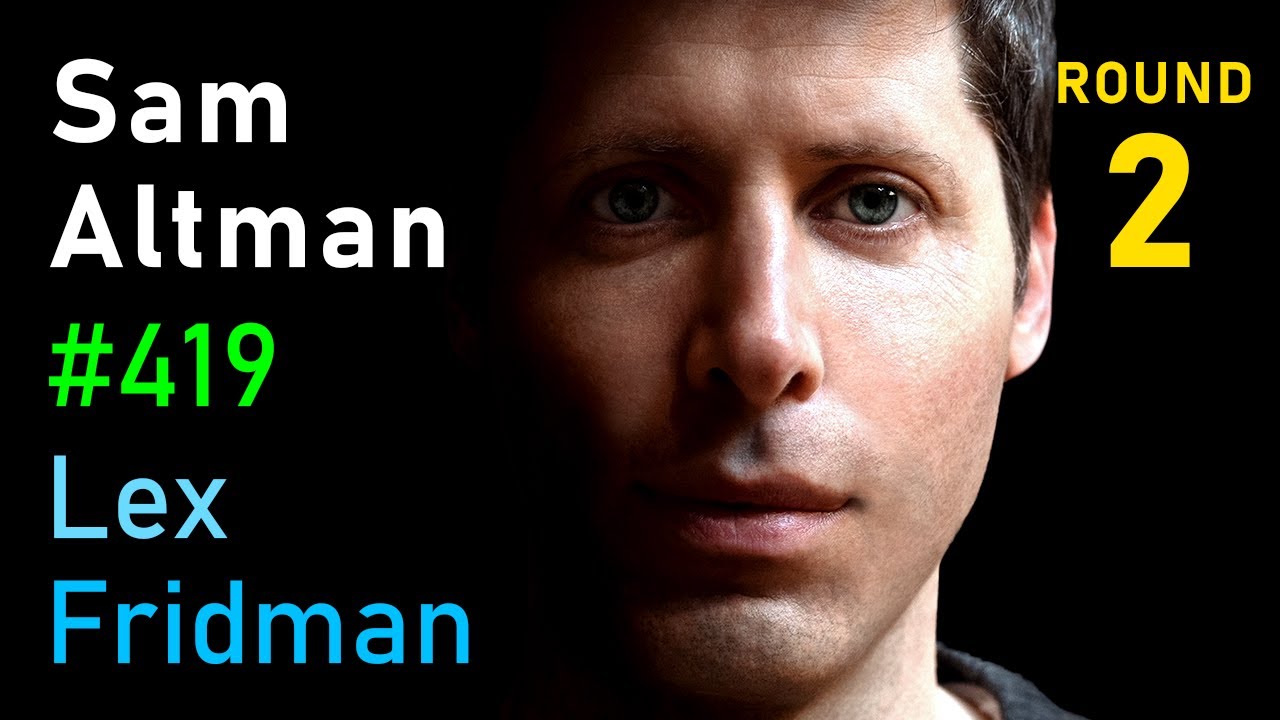 Sam Altman: OpenAI, GPT-5, Sora, Board Saga, Elon Musk, Ilya, Power & AGI
More like this
1h 55m
Sam Altman: OpenAI, GPT-5, Sora, Board Saga, Elon Musk, Ilya, Power & AGI
More like this
1h 55m
 Gary Marcus: Toward a Hybrid of Deep Learning and Symbolic AI
More like this
1h 25m
Gary Marcus: Toward a Hybrid of Deep Learning and Symbolic AI
More like this
1h 25m
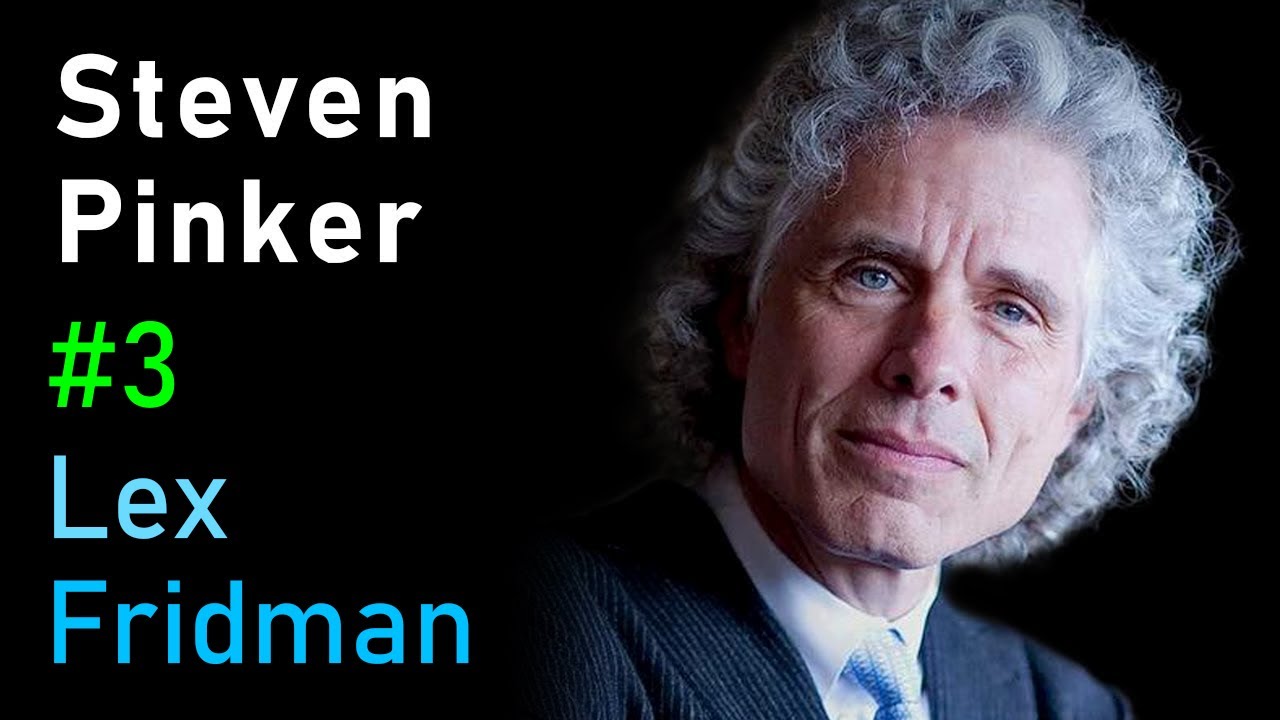 Steven Pinker: AI in the Age of Reason
More like this
37m
Steven Pinker: AI in the Age of Reason
More like this
37m
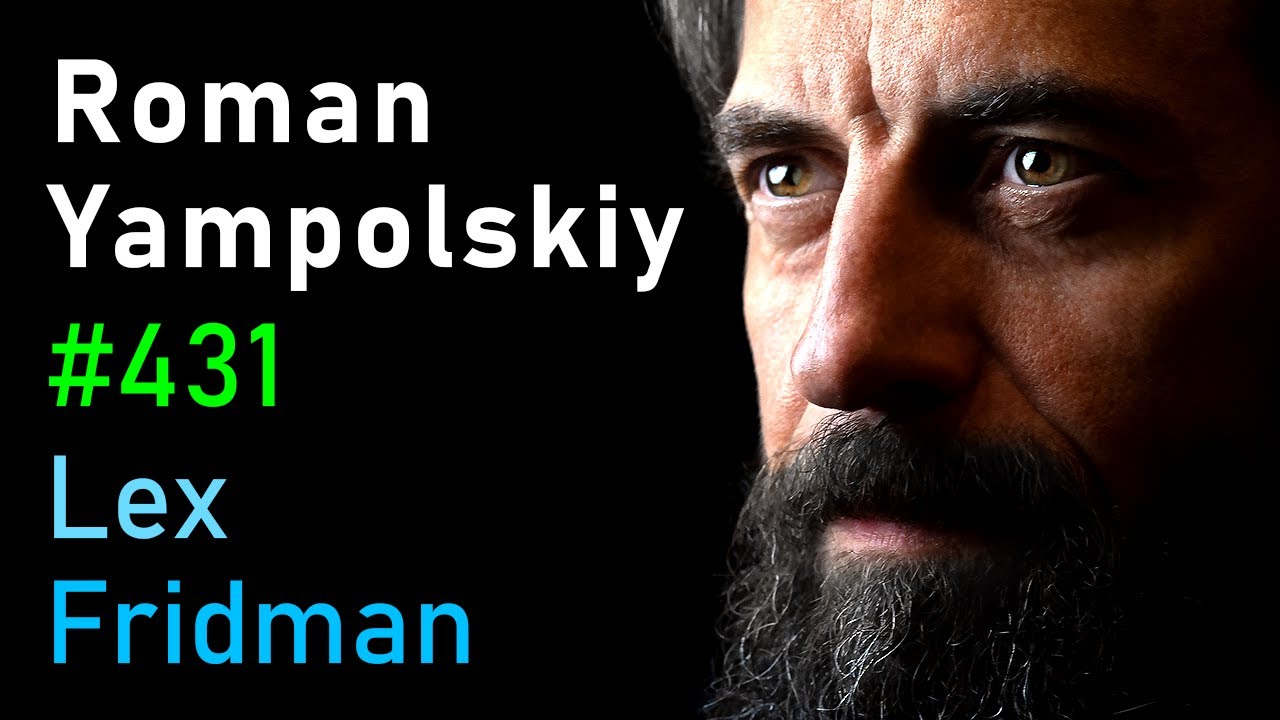 Roman Yampolskiy: Dangers of Superintelligent AI
More like this
2h 15m
Roman Yampolskiy: Dangers of Superintelligent AI
More like this
2h 15m
AI-generated summary · last refreshed 2026-06-08 18:24:56 · how we make these
Quotes are matched verbatim against the source transcript; references are checked to resolve to real URLs. Even so, AI can misread structure or attribute claims imperfectly. If you spot an error, please let us know.