Pamela McCorduck: Machines Who Think and the Early Days of AI
Core Takeaways
Pamela McCorduck's book 'Machines Who Think' was a pioneering exploration of AI's mythological and philosophical roots, published in 1979.
Why it matters
By connecting AI to ancient myths, McCorduck's work broadens the understanding of AI beyond technical confines, influencing philosophical discourse.
AI's foundational figures, like Newell and Simon, demonstrated early practical applications at the 1956 Dartmouth conference with The Logic Theorist.
▶ 5:00
Why it matters
The early demonstration of AI applications underscored the practical potential of AI, setting a precedent for future developments.
The concept of 'AI winter' is critiqued as a misrepresentation, with significant foundational research occurring despite a lack of monetization.
▶ 30:00
Why it matters
Recognizing the productivity during 'AI winters' challenges the narrative of stagnation and highlights the importance of foundational research.
The shift from symbolic AI to algorithmic approaches marked a surprising evolution in the field, with algorithms becoming central to AI research.
▶ 1:00:00
Why it matters
The transition to algorithmic AI reflects a paradigm shift that continues to influence current AI research and applications.
Pamela McCorduck critiques the 'male gaze' in AI, suggesting it shapes perceptions and fears of machines surpassing humans.
▶ 1:30:00
Why it matters
The critique of the 'male gaze' in AI highlights underlying biases that could affect AI development and societal impact.
Ask this episode Deep
A preview of how Deep chat answers, grounded in this episode with citations and timestamps:
Cite this episode
For papers, blog posts, anywhere.
Related episodes
Where to go next from this conversation.
More on these ideas
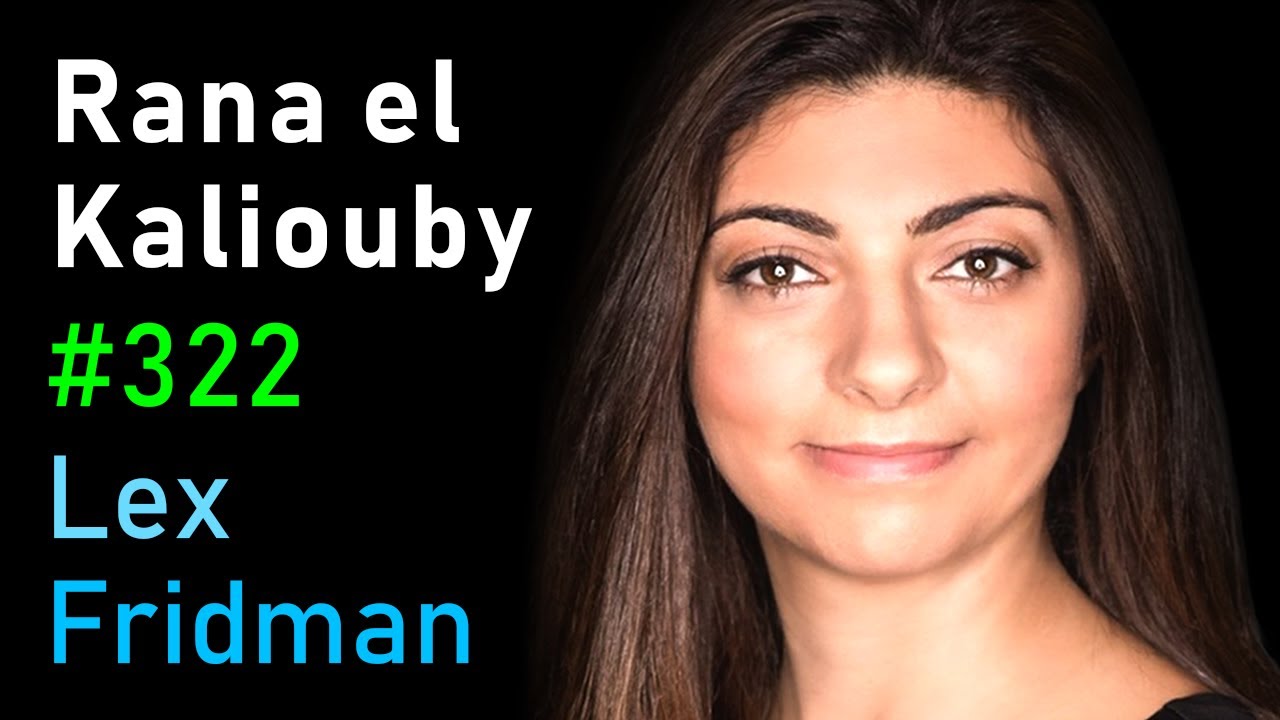 Rana el Kaliouby: Emotion AI, Social Robots, and Self-Driving Cars
More like this
2h 36m
Rana el Kaliouby: Emotion AI, Social Robots, and Self-Driving Cars
More like this
2h 36m
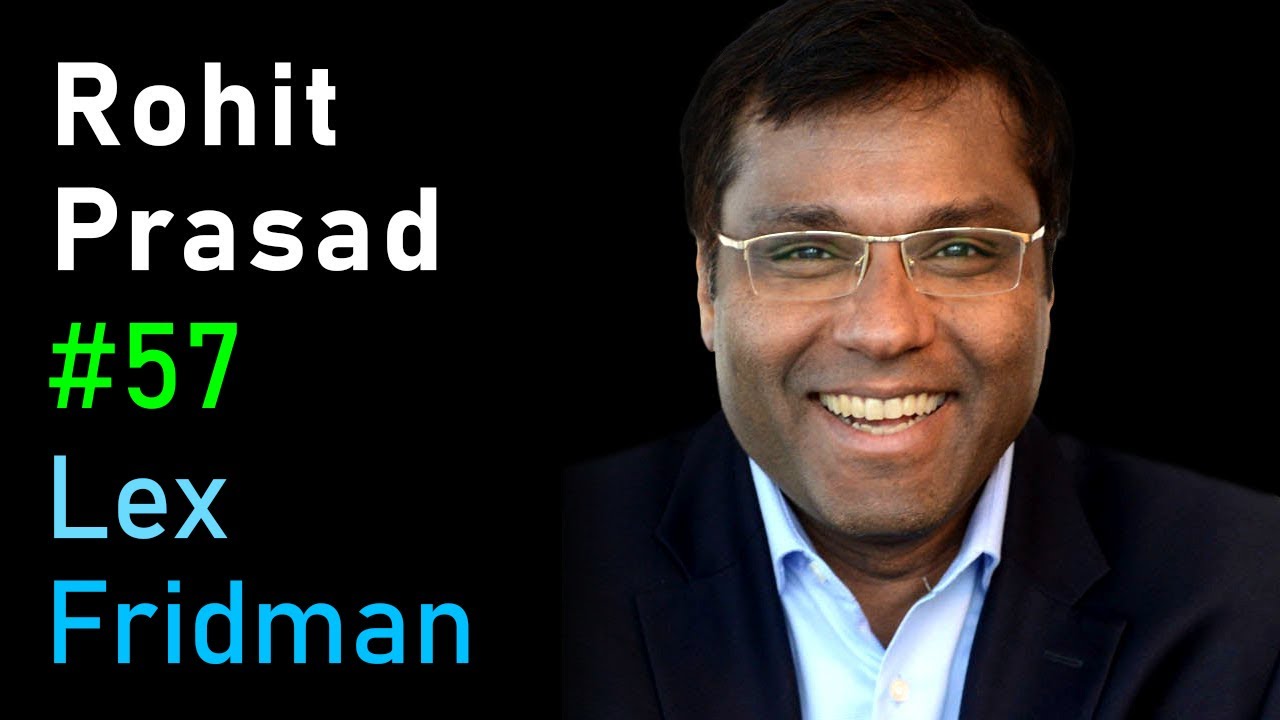 Rohit Prasad: Amazon Alexa and Conversational AI
More like this
1h 45m
Rohit Prasad: Amazon Alexa and Conversational AI
More like this
1h 45m
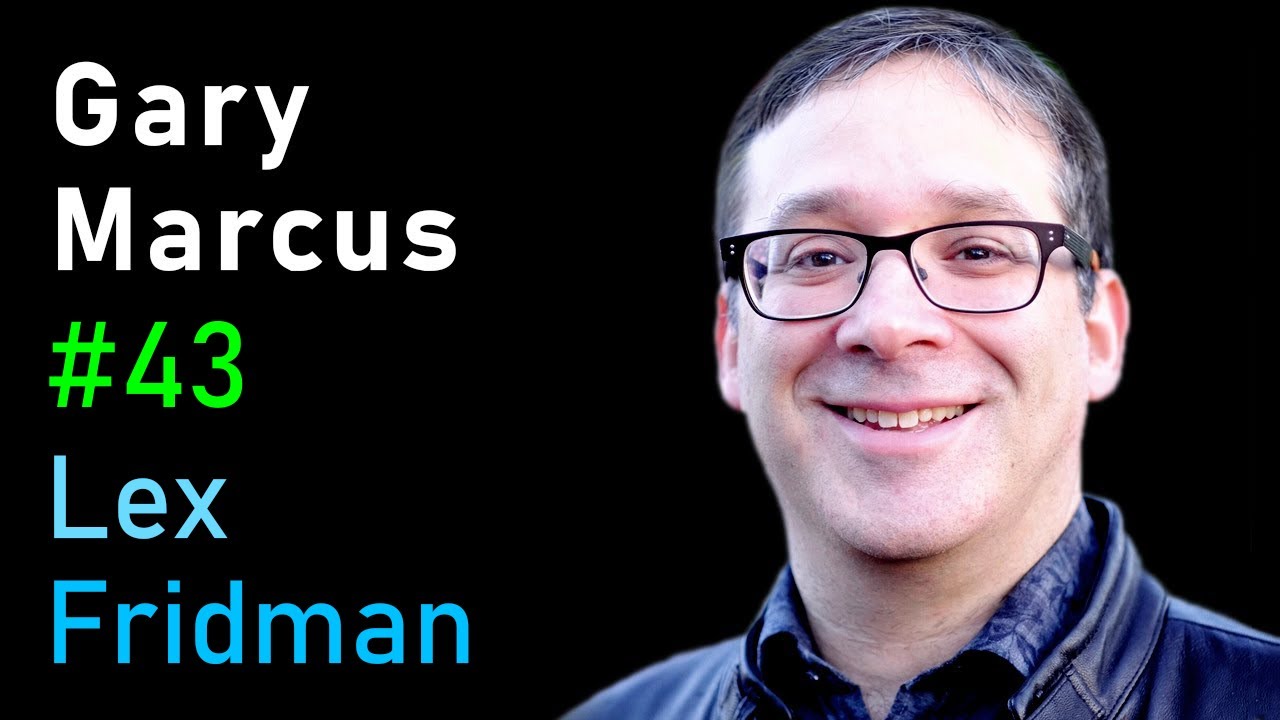 Gary Marcus: Toward a Hybrid of Deep Learning and Symbolic AI
More like this
1h 25m
Gary Marcus: Toward a Hybrid of Deep Learning and Symbolic AI
More like this
1h 25m
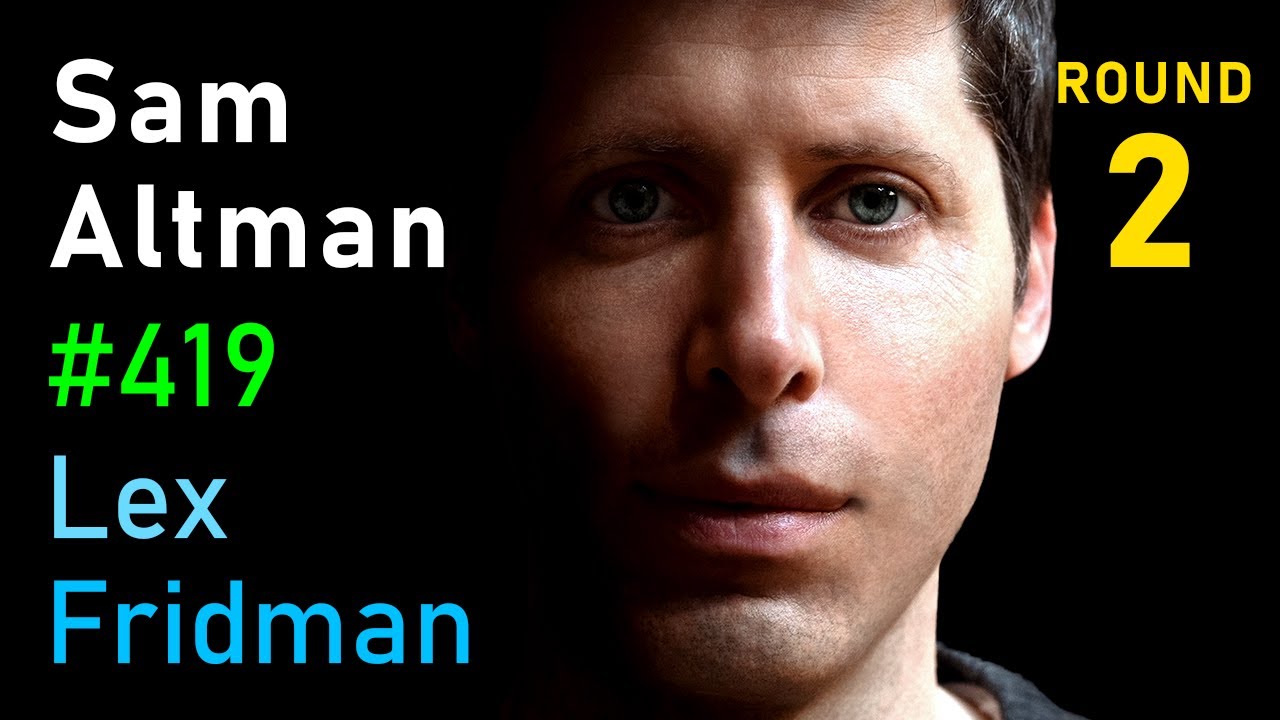 Sam Altman: OpenAI, GPT-5, Sora, Board Saga, Elon Musk, Ilya, Power & AGI
More like this
1h 55m
Sam Altman: OpenAI, GPT-5, Sora, Board Saga, Elon Musk, Ilya, Power & AGI
More like this
1h 55m
AI-generated summary · last refreshed 2026-06-08 19:07:50 · how we make these
Quotes are matched verbatim against the source transcript; references are checked to resolve to real URLs. Even so, AI can misread structure or attribute claims imperfectly. If you spot an error, please let us know.