ThePrimeagen: Programming, AI, ADHD, Productivity, Addiction, and God
Core Takeaways
ThePrimeagen argues that AI tools, while democratizing programming, risk creating a generation of programmers reliant on shortcuts, lacking deep problem-solving skills.
Why it matters
This reliance could hinder the development of critical thinking necessary for tackling unique or complex problems in programming.
ThePrimeagen believes that porn addiction distorts perceptions of relationships, emphasizing the importance of meaningful connections over superficial encounters.
▶ 1:10:30
Why it matters
This perspective highlights the societal impact of addiction on personal relationships and the value of deeper human connections.
He asserts that hard skills in programming remain essential despite AI advancements, as AI often struggles with complex tasks.
▶ 2:30:45
Why it matters
This underscores the importance of foundational skills in adapting to and leveraging AI tools effectively in programming.
ThePrimeagen's journey from addiction to success was catalyzed by a profound spiritual experience at age 19, leading to personal transformation.
▶ 45:00
Why it matters
His story illustrates the potential for personal growth and change, offering hope to those facing similar struggles.
He critiques the phrase 'work smarter, not harder,' advocating for 'work hard, get smart' to reflect the reality of learning and mastery.
▶ 2:00:00
Why it matters
This rephrasing emphasizes the necessity of effort and persistence in achieving expertise and success.
Ask this episode Deep
A preview of how Deep chat answers, grounded in this episode with citations and timestamps:
Cite this episode
For papers, blog posts, anywhere.
Related episodes
Where to go next from this conversation.
More on these ideas
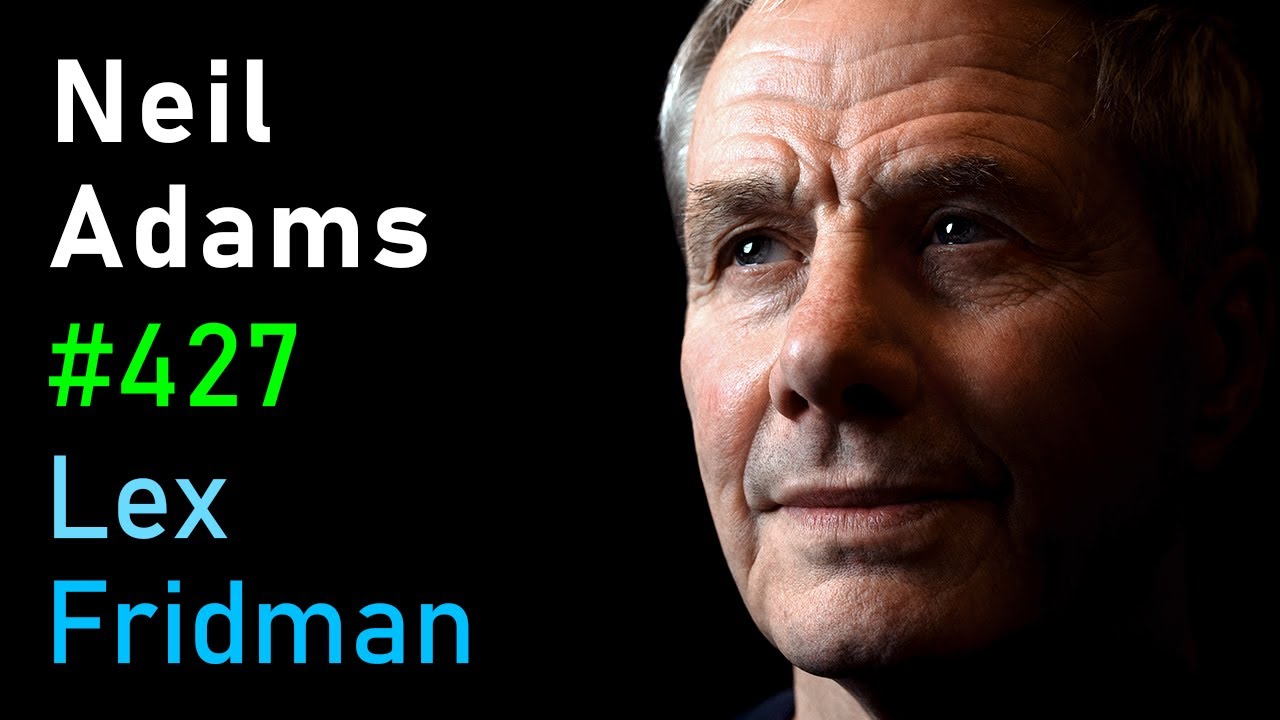 Neil Adams: Judo, Olympics, Winning, Losing, and the Champion Mindset
Shares addiction recovery
2h 27m
Neil Adams: Judo, Olympics, Winning, Losing, and the Champion Mindset
Shares addiction recovery
2h 27m
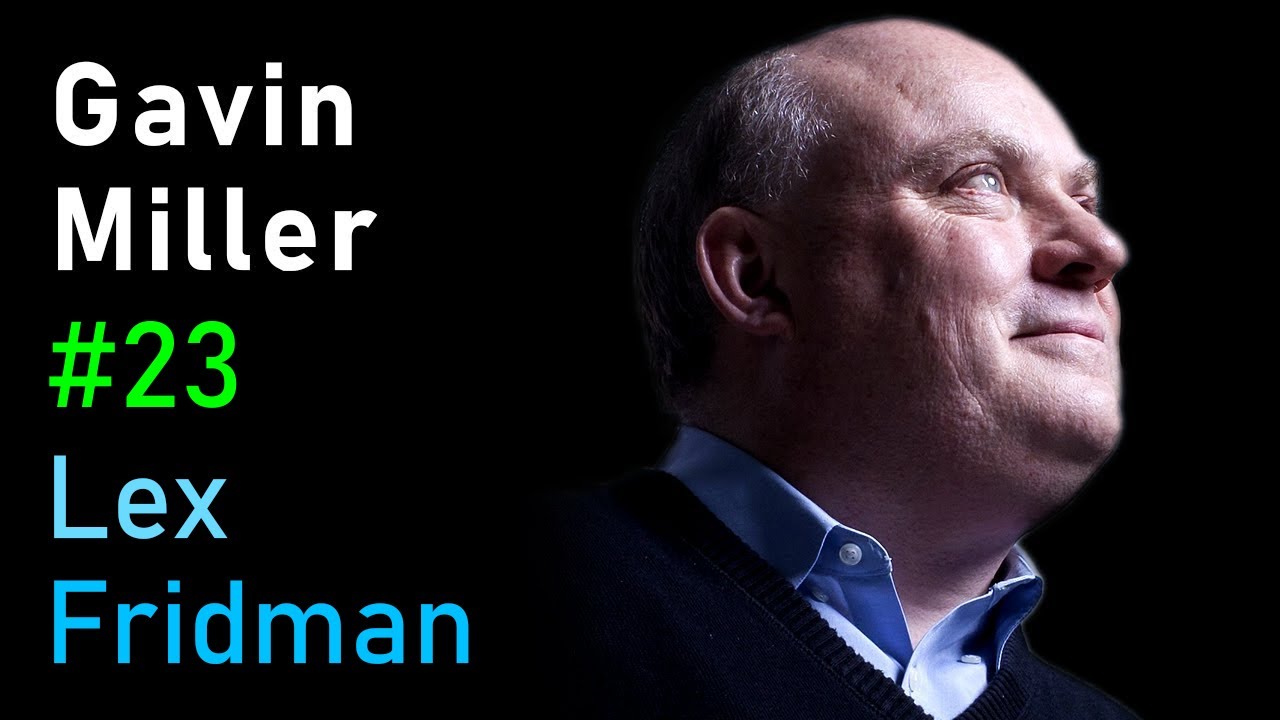 Gavin Miller: Adobe Research
More like this
1h 9m
Gavin Miller: Adobe Research
More like this
1h 9m
 Kai-Fu Lee: AI Superpowers - China and Silicon Valley
More like this
1h 26m
Kai-Fu Lee: AI Superpowers - China and Silicon Valley
More like this
1h 26m
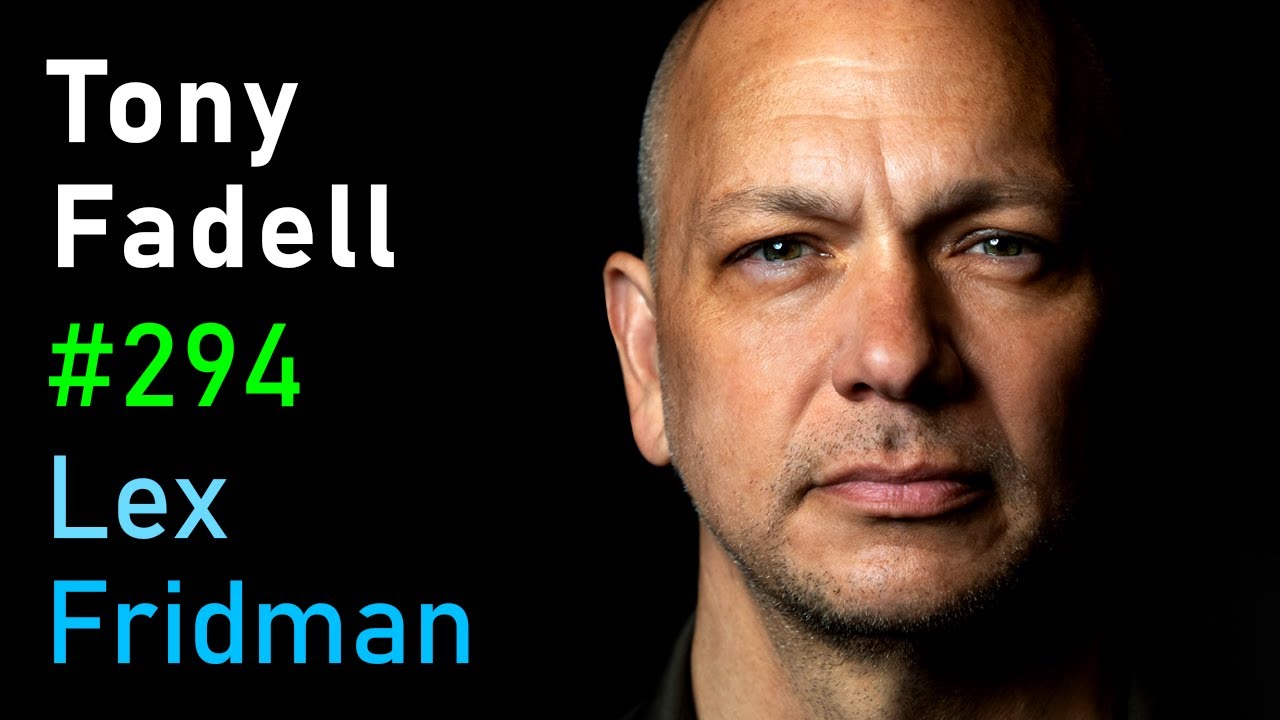 Tony Fadell: iPhone, iPod, Nest, Steve Jobs, Design, and Engineering
Shares programming
2h 46m
Tony Fadell: iPhone, iPod, Nest, Steve Jobs, Design, and Engineering
Shares programming
2h 46m
AI-generated summary · last refreshed 2026-05-30 19:10:55 · how we make these
Quotes are matched verbatim against the source transcript; references are checked to resolve to real URLs. Even so, AI can misread structure or attribute claims imperfectly. If you spot an error, please let us know.