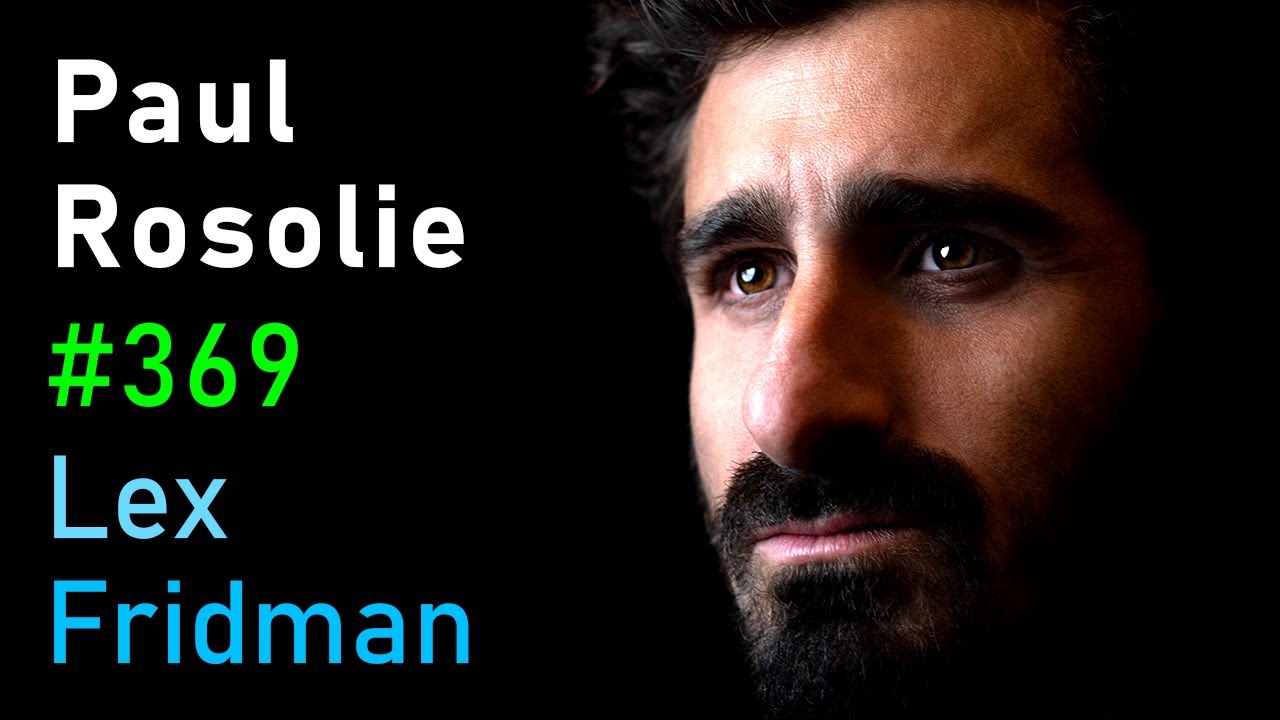
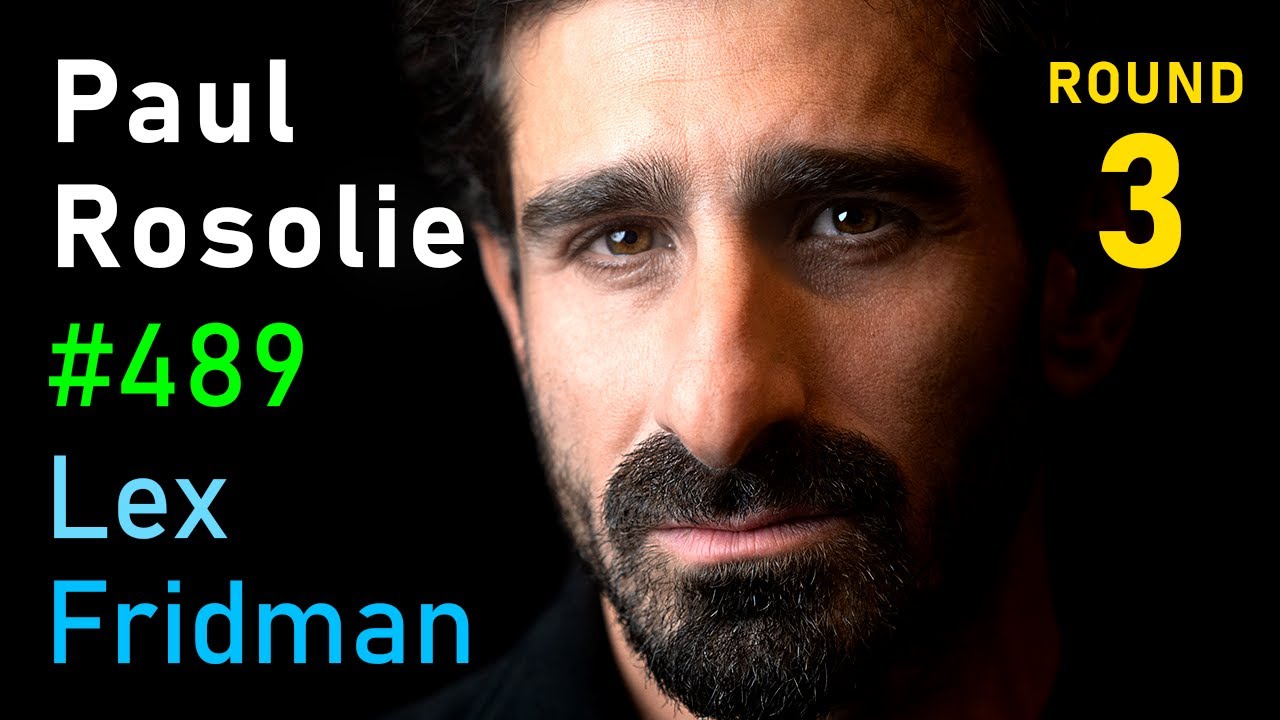
Paul Rosolie argues that the Amazon rainforest is Earth's most biodiverse area, with 400 billion trees and 70-80,000 plant species.
▶ 1:00:00
Why it matters
This biodiversity is crucial for global ecological health and may contain undiscovered species and medical resources.
Rosolie claims that anacondas and reticulated pythons are the only snakes known to eat humans, challenging the perception of snakes as aggressive.
▶ 10:00
Why it matters
This challenges common fears and misconceptions about snakes, highlighting the need for informed wildlife conservation.
Why it matters
Without immediate action, the Amazon's ecological collapse could have irreversible global consequences.
Rosolie describes the destructive impact of illegal gold mining in the Amazon, linking environmental devastation to human trafficking.
▶ 3:10:00
Why it matters
The intertwined exploitation of nature and humans underscores the urgent need for comprehensive conservation strategies.
Rosolie believes societal divisions are trivial compared to existential threats like ecosystem collapse and nuclear war.
▶ 3:40:00
Why it matters
Addressing these larger threats requires global cooperation and shifts in societal priorities.
Detailed Insights
Amazon Biodiversity
+
•
The Amazon is home to 400 billion trees and 70-80,000 plant species.
•
50% of rainforest life resides in the canopy, historically difficult to access.
•
The Amazon's unexplored areas may harbor undiscovered species.
Snake Behavior
+
•
Anacondas and reticulated pythons are the only snakes known to eat humans.
•
Misconceptions about snake aggression are widespread.
•
Anacondas use a three-point constriction system similar to jujitsu.
Conservation Priorities
+
•
Rosolie argues that extraterrestrial focus detracts from urgent conservation needs.
•
He emphasizes the Amazon as Earth's 'crown jewel' needing protection.
•
Rosolie believes we are the generation deciding Earth's ecological future.
Illegal Gold Mining Impact
+
•
Illegal gold mining causes environmental devastation and human trafficking.
•
$30 million is needed to protect the Amazon from corporate destruction.
•
Rosolie links environmental and human exploitation in mining regions.
Existential Threats vs. Societal Divisions
+
•
Rosolie argues societal divisions are trivial compared to ecosystem collapse.
•
He believes humans can organize towards positive change amidst chaos.
•
Rosolie sees nature as a manifestation of a creative force akin to God.
How the conversation moved
Lex Fridman introduces the episode by framing the Amazon rainforest as a critical ecological wonder, prompting Paul Rosolie to elaborate on its unparalleled biodiversity. Rosolie describes the Amazon as the most biodiverse area on Earth, emphasizing its vast array of species and the ecological significance of its canopy. He paints a vivid picture of the Amazon as a natural battlefield, where species constantly compete for survival, underscoring the urgent need for its protection.
Rosolie's main argument centers on the need to prioritize Earth's conservation over the search for extraterrestrial life. He presents the Amazon as a 'crown jewel' of life on Earth, arguing that while people speculate about life on other planets, they neglect the urgent need to protect the rich biodiversity we already have. He provides concrete examples, such as the Amazon's 400 billion trees and its unexplored potential for new species discoveries, to illustrate the critical importance of conservation efforts.
Lex challenges Rosolie's dismissal of extraterrestrial exploration by suggesting that the search for alien life could inspire greater appreciation for Earth's ecosystems. However, Rosolie pushes back, emphasizing that the absence of evidence for extraterrestrial life should refocus efforts on immediate environmental threats. He argues that societal divisions and speculative pursuits distract from existential threats like ecosystem collapse and nuclear war, urging a shift in global priorities.
The conversation concludes with Rosolie reflecting on the interconnectedness of life in the Amazon and the broader implications for humanity. He highlights the destructive impact of illegal gold mining, linking environmental devastation to human trafficking, and calls for urgent conservation measures. Rosolie's perspective is that humans have the potential to organize towards positive change, but this requires a fundamental shift in how we perceive and prioritize global issues, moving beyond trivial societal divisions to address the real threats to our existence.
Surprising moments
Paul Rosolie
Rosolie argues that anacondas and reticulated pythons are the only snakes known to eat humans, challenging common perceptions of snake aggression.
Paul Rosolie
Rosolie pushes back on Lex's suggestion that alien exploration could benefit Earth, arguing that the absence of alien evidence should prioritize conservation.
Paul Rosolie
Rosolie links illegal gold mining to both environmental devastation and human trafficking, highlighting the interconnected exploitation in the Amazon.
"The Amazon rainforest has been described as the greatest natural battlefield on Earth, because there’s more life here than anywhere else, which means that everything here is fighting for survival." — Paul Rosolie
"If you get bitten by a bushmaster, they say you don’t rush and try and save your own life, you try to savor what’s around you, look around at the world, smoke your last cigarette, call your mom, that’s it." — Paul Rosolie
"There’s no such thing as an aggressive snake once you get outside of an anaconda and reticulated python." — Paul Rosolie
"If we can’t protect the crown jewel, the best thing, the most beautiful part, then we’re really, really missing the point." — Paul Rosolie
"Conservation seems ridiculous. You’re begging people to not pollute the things that keep them alive. It’s almost silly at a point." — Paul Rosolie
"The uncontacted tribes said, no. They had their six-foot-long longbows, seven-foot-long arrows with giant bamboo tips. And they moved further back into the forest. And they said, we will not be conquered." — Paul Rosolie
"I see nature as God. I see the religions as different cultural manifestations of the same truth, the same creative force." — Paul Rosolie
Still open
Unresolved by the end of the conversation
Rosolie questions whether current conservation efforts can effectively protect the Amazon's biodiversity amidst increasing corporate interests.
Lex asks if the search for extraterrestrial life could inspire greater appreciation for Earth's ecosystems, but Rosolie remains skeptical.
Jargon glossary
three-point constriction system
Anaconda's method of capturing prey, similar to jujitsu techniques.
rabbit starvation
Malnutrition from consuming too much lean meat without fat.
AI-generated summary
· last refreshed
2026-05-29 03:03:22
· how we make these
Quotes are matched verbatim against the source transcript; references are checked to resolve to real URLs. Even so, AI can misread structure or attribute claims imperfectly. If you spot an error, please let us know.
Report an inaccuracy →
Free weekly summary · one Lex Fridman episode, every Friday.