New Lex Fridman Insight: Andrew Bustamante: CIA Spy
Sent June 11, 2026
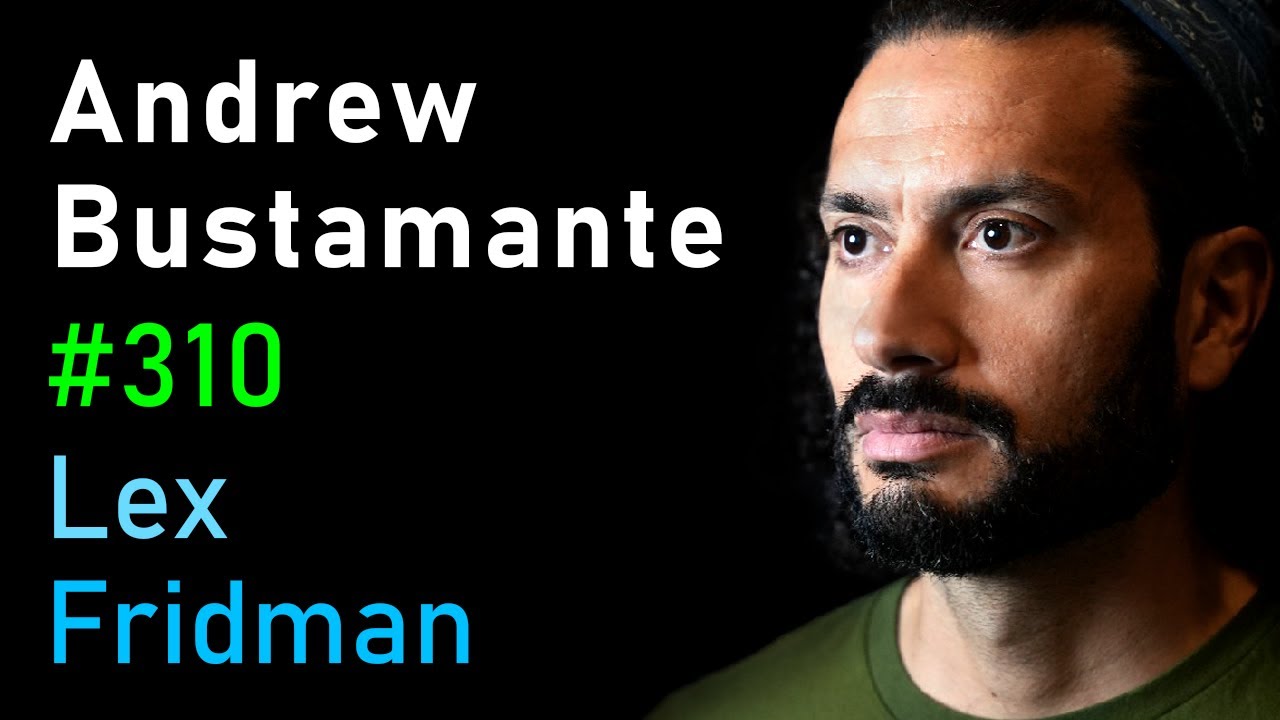
Key Insights
- The President's Daily Brief (PDB) is a critical CIA document, often 50-125 pages, tailored to the President's interests.
- CIA's leadership can be compromised by cronyism, affecting its effectiveness and truth communication.
- Putin's intelligence services are deemed effective, influencing his strategic success in Ukraine.
- CIA officers use three levels of disguise, with level two involving long-term physical changes.
- Polygraphs detect physiological changes, not lies, offering insights into a subject's sensitivity.
How the conversation moved
The episode begins with Andrew Bustamante outlining the structure and challenges of the CIA, particularly its relationship with the President of the United States. He explains the formation of the CIA as a central repository for intelligence and the critical role of the President's Daily Brief (PDB), which is tailored to the President's interests. This setup frames the conversation around the influence of presidential priorities on the CIA's operations and the potential for cronyism in its leadership, which can undermine the agency's effectiveness and truth communication.
Bustamante argues that the CIA's leadership is often compromised by cronyism, affecting its ability to communicate truthfully and effectively. He highlights that the President's interests heavily influence the PDB, which can lead to a biased presentation of intelligence. He also assesses that Vladimir Putin's intelligence services are effective, giving him a strategic edge in Ukraine. Bustamante supports his claims with examples of past military miscalculations and the economic implications of Western support for Ukraine, such as the debt incurred through the Lend Lease Act.
The conversation encounters tension when discussing the effectiveness of espionage techniques and the reliability of intelligence tools like polygraphs. Bustamante explains the three levels of disguise used by CIA officers, emphasizing the long-term physical changes involved in level two disguises. He also clarifies that polygraphs are not designed to detect lies but rather physiological changes, which challenges their perceived reliability. Lex Fridman does not explicitly challenge these points, but the conversation naturally raises questions about the ethical implications and effectiveness of these tools.
The discussion concludes by exploring the broader implications of intelligence operations and human interaction. Bustamante delves into the nuances of human nature, highlighting the predictability of human behavior and the universal longing for connection. This pivot from technical espionage techniques to human psychology underscores the complexities of intelligence work and its reliance on understanding human emotions and interactions. The episode leaves open questions about the future of intelligence operations and the balance between ethical considerations and operational effectiveness.
Surprising moments
In-depth
CIA and Presidential Influence
- The CIA's role in national security is influenced by presidential priorities.
- Cronyism in CIA leadership affects its effectiveness.
- The President's Daily Brief is tailored to the President's interests.
Ukraine Conflict and Military Strategy
- Putin's intelligence services are effective in Ukraine.
- The Lend Lease Act burdens Ukraine with debt.
- Russia's strategy focuses on natural resources.
Espionage and Disguise
- CIA officers use three levels of disguise.
- Level two involves long-term physical changes.
- Manipulation techniques create artificial relationships.
Human Interaction and Intelligence Gathering
- Interrogation differs from interviews in power dynamics.
- Human nature's predictability aids intelligence work.
- Loneliness and longing for connection are universal.
Polygraphs and Personality Assessment
- Polygraphs detect physiological changes, not lies.
- The MBTI is used for quick personality assessment.
- Core personality is believed to remain unchanged.
Notable Quotes
If the president doesn't care what you have to say, he's gonna take funding away or she will take funding away.
Still open
- Bustamante questions whether the CIA can maintain its effectiveness under current leadership influenced by cronyism.
- The conversation leaves open whether the ethical implications of using polygraphs and disguises align with their operational effectiveness.