New Lex Fridman Insight: Andrew Huberman: Neuroscience of Optimal Performance
Sent June 11, 2026
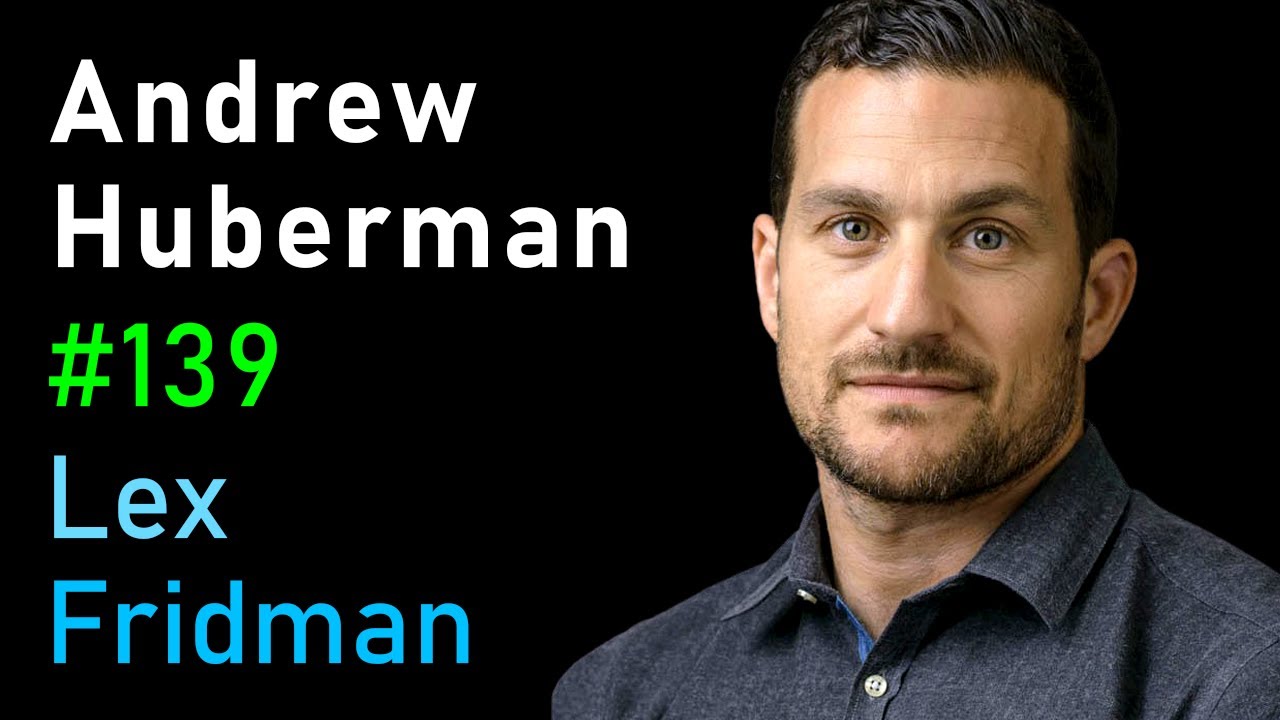
Key Insights
- Huberman's lab uses VR to study stress by simulating fear-inducing environments, showing stronger responses than static images.
- Melanopsin cells in the retina regulate circadian rhythms, impacting health outcomes like cancer and diabetes.
- Neuroscience currently understands only 1% of the brain, indicating vast potential for future discoveries.
- High autonomic arousal can hinder creativity, while psychedelics may enhance lateral connectivity in the cortex.
- Optimal performance is achieved when internal arousal matches external demands, affecting time perception.
How the conversation moved
The conversation begins with Andrew Huberman explaining his lab's innovative use of virtual reality to study stress and fear responses. By creating immersive environments, they can evoke stronger physiological reactions than traditional methods, such as static images. This approach allows researchers to measure autonomic responses like heart rate and breathing, providing a more realistic understanding of how stress affects the body and mind. Huberman emphasizes the importance of presence in these experiments, where participants momentarily forget they are in a lab setting, enhancing the authenticity of their fear responses.
Huberman delves into the neuroscience of fear, highlighting a 2018 study by Lindsay Saleh that identifies three primary responses to fear: pause, retreat, or advance. Each response correlates with different levels of autonomic arousal, with the lowest stress associated with freezing and the highest with advancing toward the threat. This nuanced understanding of fear responses is crucial for developing interventions for anxiety disorders. Huberman also explains the retina's role as a part of the brain, emphasizing its complexity and importance in visual processing.
Despite the depth of information shared, there is little pushback from Lex Fridman, which might have enriched the discussion. One area ripe for challenge could have been the implications of using virtual reality in psychological research, particularly regarding the ethical considerations and potential for adverse effects on participants. However, the conversation smoothly transitions into the broader implications of neuroscience on understanding consciousness and reality, without addressing these potential concerns.
The discussion concludes with a focus on practical applications of neuroscience in enhancing performance and creativity. Huberman discusses how optimal performance is achieved when internal autonomic arousal aligns with external demands, affecting time perception and cognitive function. The episode closes with a reflection on the vast potential for future discoveries in neuroscience, given that only about 1% of the brain's workings are currently understood. This leaves listeners with a sense of both the current limitations and the exciting possibilities that lie ahead in the field.
Surprising moments
In-depth
Fear and Stress Responses
- VR is used to simulate fear, showing stronger responses than static images.
- Fear responses correlate with autonomic arousal levels: pause, retreat, or advance.
Circadian Rhythms and Visual Processing
- Melanopsin cells regulate circadian rhythms, impacting health.
- Light exposure timing can improve outcomes in cancer and diabetes.
Creativity and Altered States
- High autonomic arousal hinders creativity; psychedelics enhance lateral connectivity.
- Drowsy states increase brain activation, aiding creativity.
Optimal Performance
- Optimal performance occurs when internal arousal matches external demands.
- Time perception changes affect performance, akin to a higher frame rate.
Notable Quotes
We need to do something where people aren't going to get injured, but where we can tap into the physiology and that thing of presence of people momentarily, not the whole time, but momentarily forgetting they're in a laboratory.
Still open
- Huberman questions whether the use of virtual reality in research might have unforeseen psychological impacts on participants.
- The conversation raises the question of how neuroscience can better operationalize concepts like 'flow' for practical applications.