New Lex Fridman Insight: Andrew Huberman: Relationships, Drama, Betrayal, Sex, and Love
Sent May 30, 2026
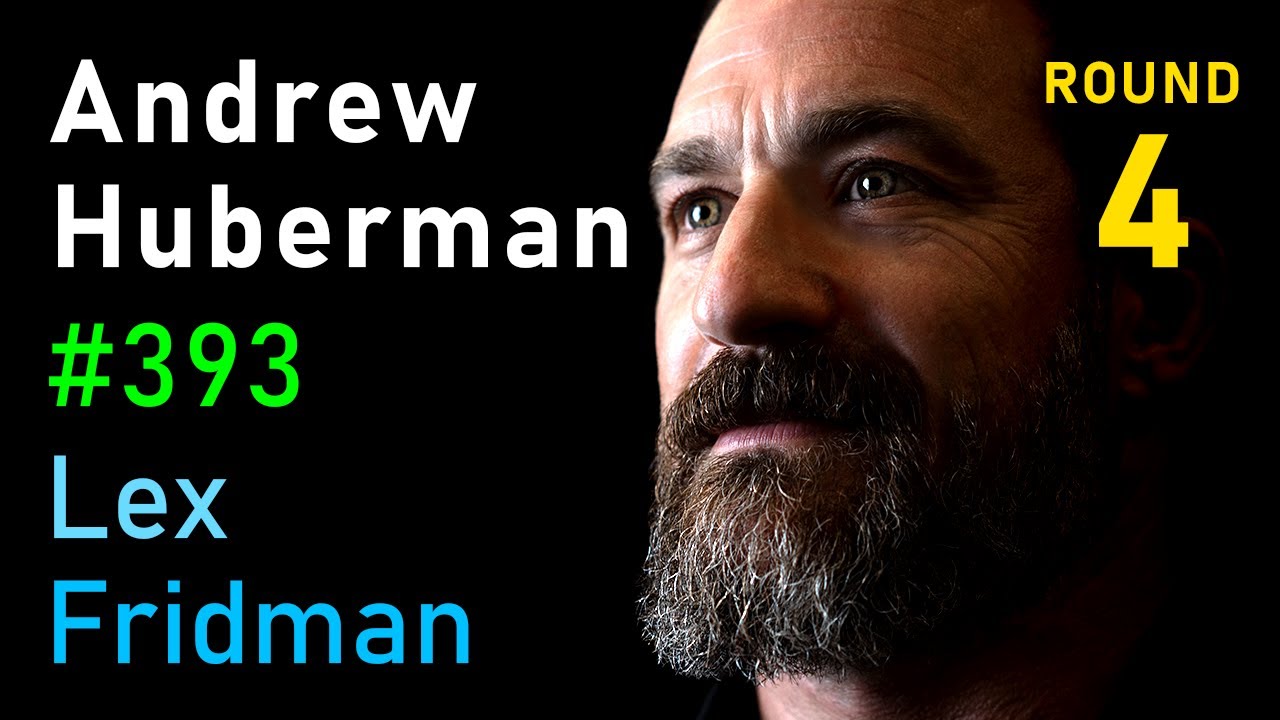
Key Insights
- Andrew Huberman asserts that 90% of mental processes are subconscious, driving decisions and emotions.
- Huberman emphasizes that covert contracts in relationships often lead to negative outcomes, while overt contracts foster positive interactions.
- He highlights that as fathers age, they are statistically more likely to have daughters, based on research findings.
- Huberman argues that successful romantic relationships often stem from strong friendships characterized by trust and mutual respect.
- He notes that only 3% of sexual dysfunction is hormonal, with most issues related to pelvic floor or vascular problems.
How the conversation moved
The episode begins with Andrew Huberman discussing the importance of trusting one's gut feelings, particularly in romantic relationships, where he asserts that full commitment is necessary for success. He frames this perspective within the broader context of aging, suggesting that as people grow older, they learn to trust their instincts more and rely less on over-analysis. This sets the stage for a discussion on the subconscious mind and its influence on behavior and decision-making, emphasizing the need for self-exploration to improve mental health.
Huberman's main argument revolves around the subconscious being a powerful driver of human behavior, with 90% of mental processes occurring below the conscious level. He suggests that many people fail to explore these deeper recesses of their minds, which could lead to improved mental health outcomes. He supports his argument with insights into the importance of overt contracts in relationships, contrasting them with covert contracts that often lead to negative outcomes. This is illustrated through examples from primate behavior and human interactions, highlighting the complexity of social dynamics.
Despite the compelling arguments, there is a noticeable lack of pushback from the host, Lex Fridman, on Huberman's claims. The conversation flows smoothly, with Huberman's assertions on the subconscious and relationship dynamics going largely unchallenged. This absence of tension leaves some of Huberman's more controversial statements, such as the impact of subconscious processes on behavior, without critical examination. Lex's agreement with Huberman's perspectives on relationships and mental health suggests a shared understanding, though a counter-position could have explored alternative views on these topics.
The conversation concludes with Huberman reflecting on the role of friendship in successful romantic relationships and the science behind gender selection in offspring. He emphasizes the importance of establishing a strong friendship foundation before engaging in sexual relationships, suggesting that this approach leads to greater trust and mutual respect. The discussion also touches on the complexities of sexual health, with Huberman noting that most dysfunctions are not hormonal, challenging common perceptions. The episode ends with Huberman sharing personal anecdotes on productivity and the emotional experiences that shape his perspectives, leaving open questions about the broader implications of his insights.
Surprising moments
In-depth
Subconscious and Mental Health
- 90% of mental processes are subconscious, influencing decisions.
- Exploring the subconscious can improve mental health.
- Few people actively explore their subconscious.
Relationships and Contracts
- Covert contracts lead to negative outcomes in relationships.
- Overt contracts foster positive interactions.
- Chimpanzee behavior illustrates social dynamics.
Romantic Relationships and Gender
- Friendship is key to successful romantic relationships.
- Older fathers are more likely to have daughters.
- Most sexual dysfunction is not hormonal.
Notable Quotes
Listen, when it comes to romantic relationships, if it’s not a 100% in you, it ain’t happening.
Still open
- Huberman discusses the role of subconscious processes in driving behavior but leaves open how individuals can effectively explore these processes.
- The implications of overt versus covert contracts in relationships are discussed, but the practical application of these concepts remains unresolved.