New Lex Fridman Insight: Bassem Youssef: Israel-Palestine, Gaza, Hamas, Middle East, Satire & Fame
Sent May 30, 2026
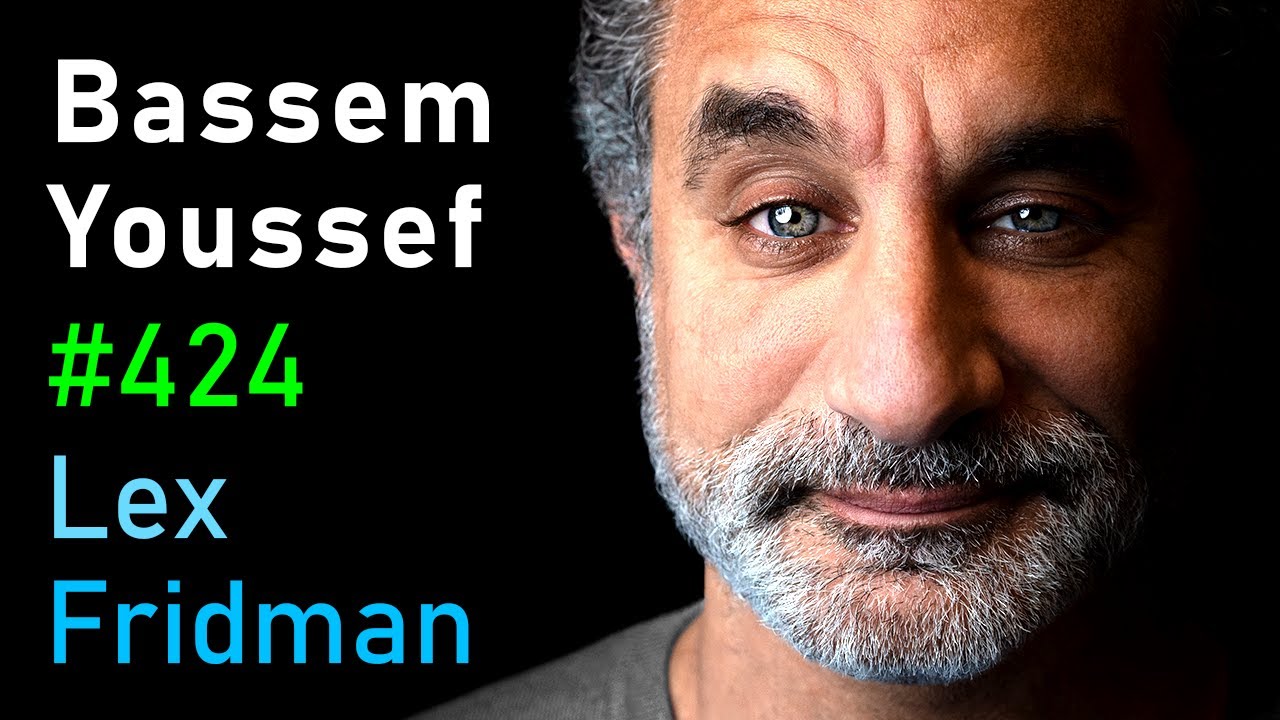
Key Insights
- Bassem Youssef argues that the Israeli military industry devalues human life by testing weapons on Palestinians in urban areas.
- Youssef claims that extremism in Israeli society has increased due to power dynamics and media portrayal of violence.
- He highlights the disparity in media narratives, questioning the value placed on different lives in conflict zones.
- Youssef critiques the American political system as an oligarchy, with leaders more loyal to financial backers than voters.
- He notes that Arabic's 22 dialects create division, while English unifies Arabs across regions.
How the conversation moved
The conversation begins with Bassem Youssef addressing the challenges of speaking out about the October 7th attacks, particularly the complexities involved in media narratives around human suffering. Youssef describes how media often dehumanizes certain groups, drawing a parallel between the reactions of Arab people to violence and the more empathetic responses from others. He highlights the disparity in how human suffering is reported, questioning the value placed on different lives in media coverage. This sets the stage for a broader discussion on the power dynamics at play in the Israeli-Palestinian conflict.
Youssef delves into the complexities of Israeli-Palestinian relations, focusing on the power dynamics and the impact of violence on perceptions of humanity. He argues that extremism breeds extremism, noting that Israeli society has moved significantly to the right. The conversation touches on the Israeli military industry, which Youssef claims tests its weapons on Palestinians in urban areas, highlighting a devaluation of human life. He also discusses the role of AI and technology in facilitating remote killing, making the act of violence feel more detached and less human. These points underscore the systemic issues that perpetuate conflict in the region.
Lex Fridman does not challenge Youssef's framing of the conflict, but Youssef himself pushes back against the notion that both leaderships want war equally, arguing that the two sides are not equal in power or influence. This moment of tension highlights the complexities of assigning blame in such a deeply rooted conflict. Youssef also challenges the idea that media representation is equal, emphasizing the significant inequality in how the conflict is portrayed. These points of contention reveal the nuanced perspectives that are often overlooked in mainstream narratives.
The conversation concludes with Youssef reflecting on the historical context of Arab-Jewish relations and the complexities surrounding identity in the Middle East. He discusses the impact of language, noting that Arabic's 22 dialects create division, while English serves as a unifying language among Arabs. Youssef also critiques the American political system, describing it as an oligarchy where leaders are more loyal to financial backers than voters. This critique extends to the influence of money in politics and the lack of term limits, which Youssef argues contribute to systemic corruption. The discussion ends on a hopeful note, with Youssef expressing optimism about the potential for societal change driven by younger generations.
Surprising moments
In-depth
Media Representation and Human Suffering
- Youssef critiques media narratives that devalue certain lives in conflict zones.
- The portrayal of violence often distracts from meaningful conversations about the conflict.
- Youssef felt compelled to speak out against one-sided media narratives despite risks.
Power Dynamics and Extremism
- Extremism in Israeli society has increased due to power dynamics and media portrayal.
- The Israeli military industry tests weapons on Palestinians, devaluing human life.
- AI and technology facilitate remote killing, detaching the act of violence from humanity.
Language and Identity
- Arabic's 22 dialects create division, while English unifies Arabs across regions.
- Youssef constructs his comedy to address different dialects and cultural references.
- He expresses reluctance to perform in Egypt due to a tumultuous relationship with the country.
Political Critique and Reform
- Youssef critiques the American political system as an oligarchy.
- He highlights the influence of money in politics and the lack of term limits.
- Youssef expresses concern about the potential for nuclear conflict due to aging leadership.
Notable Quotes
If you’re afraid of something, make fun about the fact that you’re afraid of it.
Still open
- Youssef questioned whether the next generation will value open dialogue and societal change, acknowledging the uncertainty of future developments.