New Lex Fridman Insight: Ben Goertzel: Artificial General Intelligence
Sent June 11, 2026
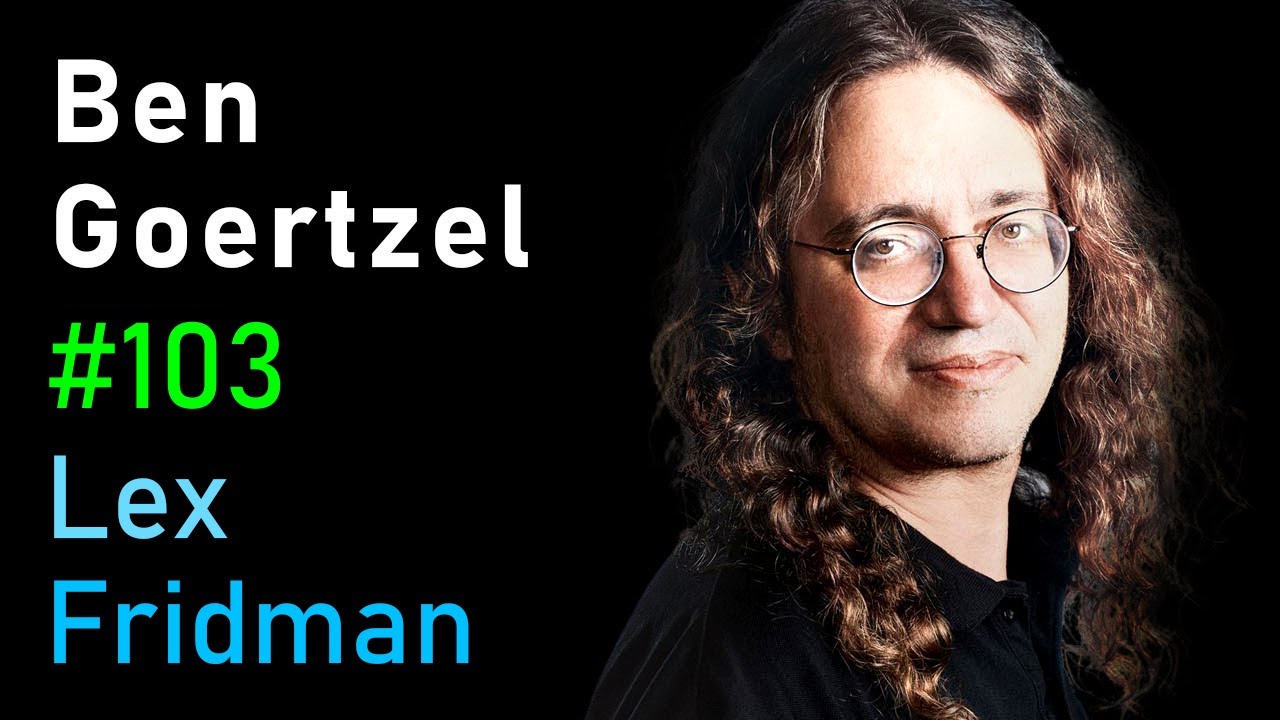
Key Insights
- Ben Goertzel argues that neural networks alone won't achieve AGI; a diverse approach integrating symbolic learning is needed.
- OpenCog's hypergraph-based architecture offers a dynamic alternative to static neural networks, potentially enhancing AGI development.
- SingularityNet aims to decentralize AI, using blockchain to enable autonomous AI cooperation without central control.
- Goertzel suggests that future generations may view the necessity of death as absurd, advocating for significant investment in longevity research.
How the conversation moved
The episode begins with Ben Goertzel discussing the influence of science fiction on his understanding of intelligence and the potential for intelligences beyond human comprehension. He cites works like Stanisław Lem's Solaris and the original Star Trek series as pivotal in shaping his vision of AI. Goertzel's fascination with the unknown and the incomprehensible drives his motivation to pursue AGI, suggesting that current human understanding may be limited by our cognitive biases and cultural constraints.
Goertzel argues that the current focus on neural networks in AGI research is misguided, emphasizing the need for a diverse approach that includes symbolic learning and other methodologies. He highlights OpenCog's hypergraph-based architecture as a promising alternative, capable of dynamically modeling complex systems in ways that static neural networks cannot. This approach, he suggests, could lead to more adaptive and scalable AI systems, crucial for achieving true AGI.
Lex Fridman does not directly challenge Goertzel's assertions about the limitations of neural networks, but the conversation implies a tension between the mainstream AI community's current trajectory and Goertzel's vision. The lack of direct pushback on Goertzel's critique of neural networks suggests a broader acceptance of his argument or a missed opportunity for deeper exploration of counterarguments.
The discussion concludes with Goertzel's reflections on the philosophical implications of AGI, particularly the potential to redefine human values and ethics. He advocates for significant investment in longevity research, positing that future generations may view the inevitability of death as an outdated concept. The conversation shifts towards the potential societal impacts of AGI and the ethical considerations that must guide its development, leaving open questions about the balance between technological advancement and human values.
Surprising moments
In-depth
Science Fiction's Influence on AGI
- Goertzel was inspired by science fiction, particularly Star Trek and Stanisław Lem's Solaris, to explore AI.
- He believes superhuman intelligences may exist beyond human comprehension, as depicted in these works.
Diverse Approaches to AGI
- Neural networks are not the sole path to AGI; symbolic learning and other methods are crucial.
- OpenCog's hypergraph model offers a dynamic alternative to static neural networks.
Decentralized AI Systems
- SingularityNet uses blockchain to enable decentralized AI cooperation, avoiding central control.
- This approach could protect AI development from regulatory constraints.
Philosophical Implications of AGI
- Future generations may view death as unnecessary, prompting investment in longevity research.
- Goertzel advocates for a $10 trillion investment to solve aging and death.
Notable Quotes
I mean, now it's a little bit different. We have AGI conference every year and there's several hundred people rather than 50.
Still open
- Goertzel wonders if future AI systems can integrate symbolic learning with neural networks effectively.
- The potential societal implications of abolishing death through longevity research remain uncertain.