New Lex Fridman Insight: Benjamin Netanyahu: Israel, Palestine, Power, Corruption, Hate, and Peace
Sent May 30, 2026
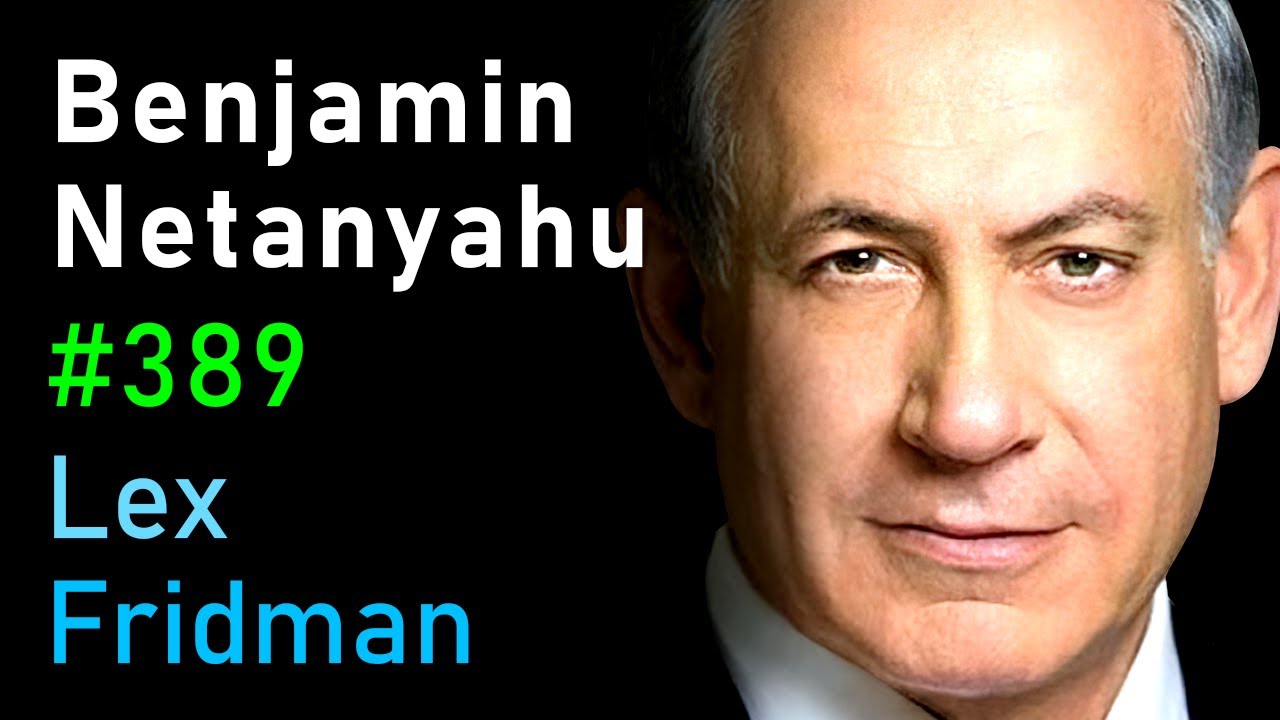
Key Insights
- Netanyahu asserts anti-Zionism equates to anti-Semitism, framing opposition to a Jewish state as opposition to Jewish people.
- Israel's AI sector is rapidly growing, with major investments from Nvidia and Intel, positioning it as a tech leader.
- Netanyahu claims Palestinian refusal to recognize Israel as a Jewish state is the core conflict issue, not territorial disputes.
- The Abraham Accords demonstrate Netanyahu's strategy of bypassing Palestinian negotiations to achieve broader Arab-Israeli peace.
- Netanyahu argues that AI will displace more jobs than it creates, challenging historical economic trends.
How the conversation moved
The host framed the conversation around the complex geopolitical and domestic challenges facing Israel, with Netanyahu initially focusing on existential threats and the nature of anti-Zionism. Netanyahu argued that anti-Zionism is synonymous with anti-Semitism, positioning opposition to the Jewish state as inherently anti-Jewish. He also addressed the need for judicial reforms in Israel, citing an imbalance of power due to judicial activism. This set the stage for a discussion on Israel's position in the global landscape, both politically and economically.
Netanyahu presented Israel as a burgeoning tech leader, highlighting significant investments from Nvidia and Intel as evidence of its growing importance. He expressed concerns about AI's rapid development, predicting that it would displace more jobs than it creates, a view contrary to historical trends of technological advancement. Netanyahu's argument was bolstered by Israel's strategic moves in tech innovation, suggesting that the country is well-positioned to capitalize on these developments.
Lex Fridman challenged Netanyahu's views on AI's impact on employment, suggesting that AI could create more jobs than it displaces. Netanyahu disagreed, emphasizing the potential for AI to concentrate wealth and necessitate new economic policies. This tension highlighted differing perspectives on the future of work and the role of technology in society. The conversation also touched on Netanyahu's controversial political standing, with pushback on the perception of him as a divisive figure.
The discussion concluded with Netanyahu's reflections on the Israeli-Palestinian conflict and his strategy for peace through the Abraham Accords. He argued that Palestinian refusal to recognize Israel as a Jewish state is the core issue, not territorial disputes. Netanyahu's approach involved bypassing Palestinian negotiations to secure peace with broader Arab states, a strategy that could redefine regional dynamics. The conversation ended with an emphasis on education and historical awareness as vital for leadership and security.
Surprising moments
In-depth
Anti-Zionism and Anti-Semitism
- Netanyahu argues anti-Zionism is a form of anti-Semitism.
- He claims that opposition to a Jewish state is equivalent to opposition to Jewish people.
Israel's Growing Tech Sector
- Israel is becoming a hub for innovation in sectors like medicine and agritech.
- Nvidia and Intel's investments highlight Israel's tech importance.
- AI's rapid development poses challenges in understanding its implications.
Israeli-Palestinian Conflict
- Netanyahu claims Palestinian refusal to recognize Israel is the core conflict issue.
- He suggests Palestinians should have self-governance without threatening Israel.
- The Abraham Accords aim to achieve peace with Arab states independently of the Palestinian issue.
AI's Impact on Jobs
- Netanyahu believes AI will displace more jobs than it creates.
- He suggests new taxation strategies may be needed as wealth concentrates.
Notable Quotes
If somebody threatens to eliminate you as Iran is doing today, and as Hitler did then, and people discounted it, well, if somebody threatens to annihilate us, take them seriously and act to prevent it early on.
Still open
- Netanyahu questioned whether the current economic and political systems can adapt to AI-induced job displacement and wealth concentration.
References & Resources
- Fact is Better Than Fiction by Winston Churchill — Search