New Lex Fridman Insight: Bernie Sanders Interview
Sent May 30, 2026
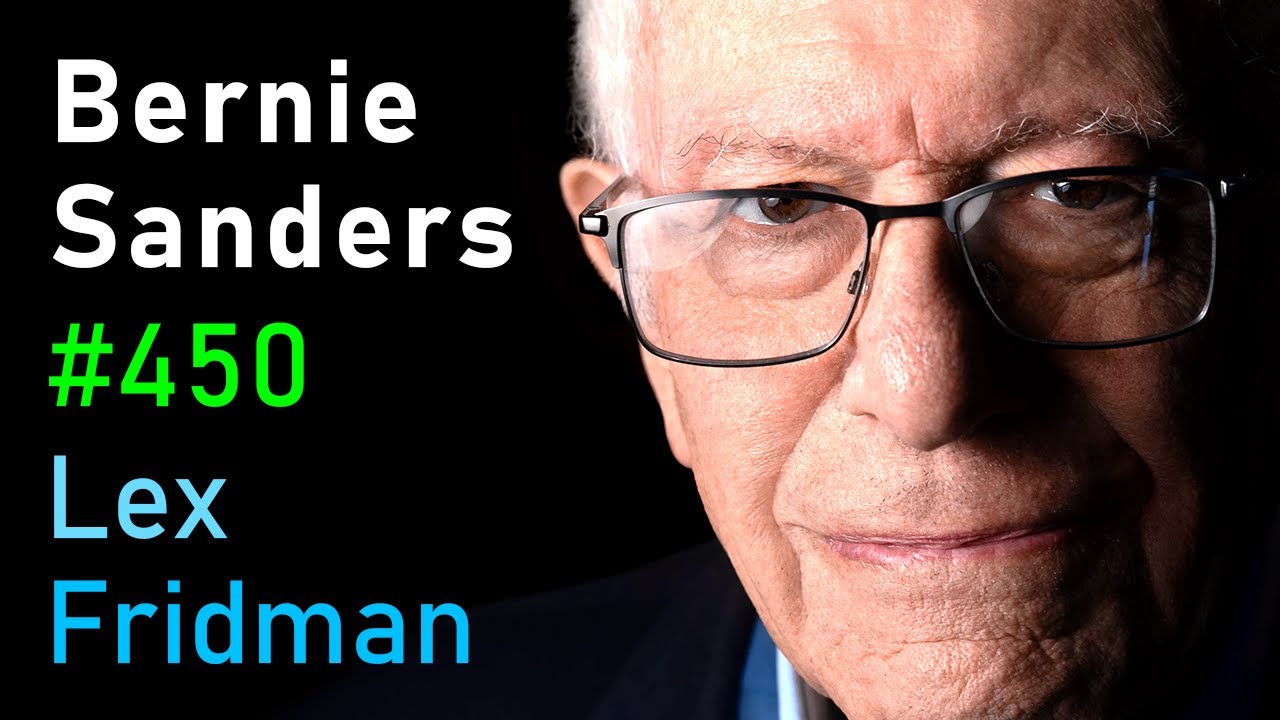
Key Insights
- Bernie Sanders asserts that the U.S. spends twice as much on healthcare per person compared to other nations, yet 85 million are uninsured or underinsured.
- Sanders claims there has been a $50 trillion wealth transfer from the bottom 90% to the top 1% over the last 50 years.
- He argues that 1,800 lobbyists represent drug companies in Washington, D.C., outnumbering Congress members significantly.
- Sanders highlights that his campaign contributions averaged $27 each in 2016, indicating strong grassroots support.
- He states that the federal minimum wage should be $17 an hour to prevent poverty for full-time workers.
How the conversation moved
The episode begins with Bernie Sanders discussing the pervasive influence of money in politics, particularly how billionaires and lobbyists exert disproportionate control over political processes. Sanders frames the central issue as a struggle between democracy and oligarchy, emphasizing the need for campaign finance reform to restore democratic integrity. He cites his own presidential campaign as an example of grassroots support challenging the traditional big-money influence.
Sanders then transitions to healthcare, arguing that the U.S. system is inefficient and inequitable, spending twice as much per person compared to other nations while leaving 85 million uninsured or underinsured. He presents stark statistics, such as 60,000 annual deaths due to financial barriers to healthcare, to underscore the urgent need for reform. Sanders contends that healthcare should be a human right, a view he claims is shared by the vast majority of Americans.
While Lex Fridman does not significantly challenge Sanders' framing, the conversation touches on potential criticisms of Sanders' proposals as radical. Sanders rebuts this by asserting that his ideas are not extreme but rather align with global norms and the views of most Americans. This lack of substantial pushback leaves the conversation largely aligned with Sanders' perspective, focusing on the systemic issues he highlights.
The discussion concludes with Sanders reflecting on his political legacy and the role of grassroots movements in shaping American politics. He emphasizes the importance of continuing to fight for progressive causes, despite the challenges posed by entrenched interests. Sanders remains optimistic about the potential for change, citing the growing influence of progressive voices within the Democratic Party and the broader political landscape.
Surprising moments
In-depth
Healthcare Inequities
- The U.S. spends twice as much on healthcare per person compared to other nations.
- 85 million Americans are uninsured or underinsured.
- 60,000 Americans die annually due to financial barriers to healthcare access.
Economic Inequality
- $50 trillion wealth transfer from the bottom 90% to the top 1% over 50 years.
- CEOs earn 300 times more than their workers.
- Federal minimum wage should be $17 an hour.
Political Influence and Reform
- 1,800 lobbyists represent drug companies in Washington, D.C.
- Sanders' campaign contributions averaged $27 each, indicating grassroots support.
- Progressive Caucus in the House has nearly 100 members.
Notable Quotes
If I talk about peace and nonviolence, I can’t sit back and allow what’s going on in Vietnam to continue without speaking out.
Still open
- Lex asked whether Sanders' proposals are too radical, to which Sanders responded that they align with global norms, leaving the question of feasibility open.