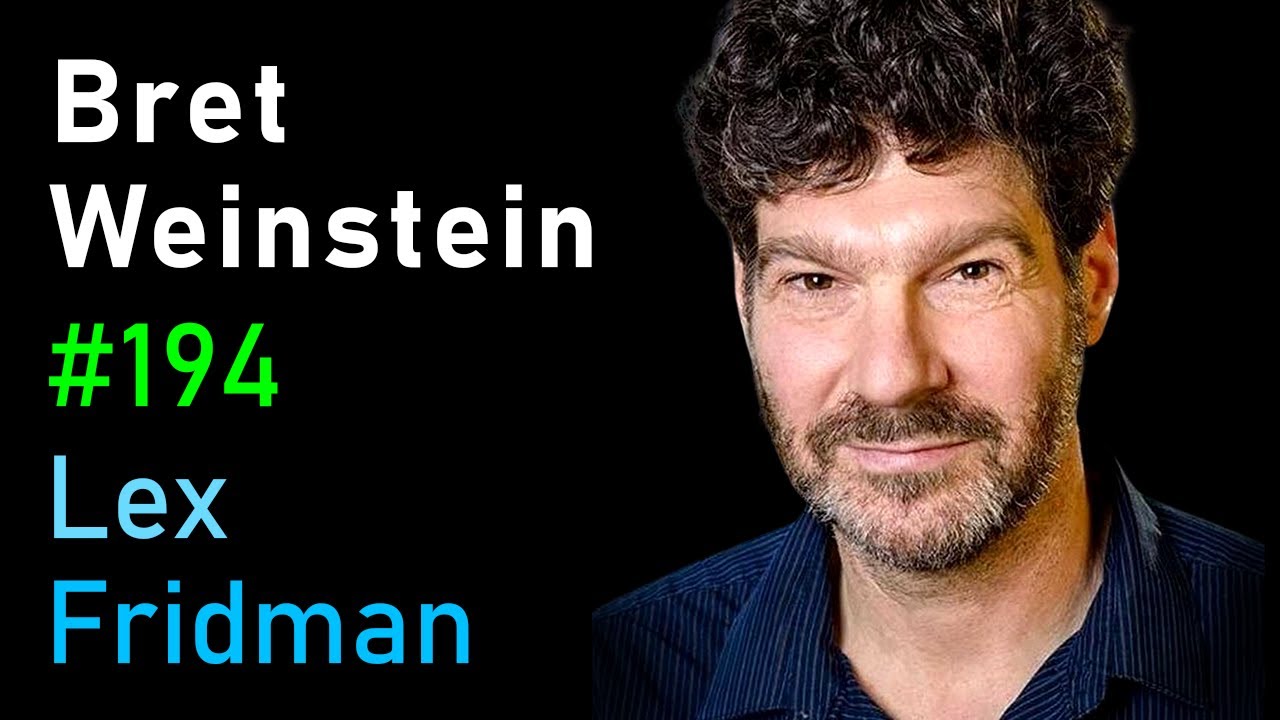
New Lex Fridman Insight: Bret Weinstein: Truth, Science, and Censorship in the Time of a Pandemic
Sent June 11, 2026
Key Insights
- Bret Weinstein argues that Ivermectin, if widely used, could drive SARS CoV2 to extinction due to its 86% effectiveness as a prophylactic.
- Weinstein claims YouTube's censorship of Ivermectin discussions serves pharmaceutical interests by suppressing recognition of effective treatments.
- The likelihood that COVID-19 originated from a lab is estimated by Weinstein to be over 95%, with the Wuhan Institute as the most likely source.
- Weinstein critiques the scientific community's self-censorship, arguing it stifles innovation and the power of free speech.
- Weinstein emphasizes the need for algorithms to prioritize long-term personal growth over short-term engagement metrics.
How the conversation moved
Lex Fridman opens the conversation by framing the central question around the intersection of truth, science, and censorship in the context of the COVID-19 pandemic. Bret Weinstein begins by critiquing the lack of transparency and honest communication from leaders during the pandemic, which he argues led to unnecessary suffering and financial loss. He introduces the idea that various solutions, including masks, at-home testing, and vaccines, were not effectively communicated or implemented, leading to widespread confusion and mistrust.
Weinstein's main argument centers around the effectiveness of Ivermectin as a prophylactic treatment for COVID-19, citing a meta-analysis that claims an 86% effectiveness rate. He argues that if Ivermectin were widely deployed, it could potentially drive the virus to extinction. Weinstein also discusses the implications of self-censorship within the scientific community, suggesting that fear of backlash has stifled open discourse and innovation. He claims that platforms like YouTube have censored discussions around Ivermectin, which he believes serves the interests of pharmaceutical companies.
Lex Fridman does not offer significant pushback on Weinstein's claims about Ivermectin or censorship, though the conversation touches on the broader implications of self-censorship in science. Weinstein's assertion that the WHO and CDC are not scientific entities but rather public health organizations that may oversimplify information is a point where reasonable people might disagree. The conversation also delves into the lab leak hypothesis, with Weinstein estimating a 95% likelihood that COVID-19 originated from a lab, a claim that challenges the consensus narrative.
The discussion concludes with Weinstein emphasizing the need for algorithms to prioritize long-term personal growth over short-term engagement metrics, arguing that the current market dynamics favor short-term gains at the expense of societal well-being. Weinstein's critique of the scientific community's handling of the pandemic highlights the need for more transparent and open communication. The conversation leaves open questions about the role of self-censorship in scientific discourse and the ethical considerations surrounding the suppression of potentially effective treatments like Ivermectin.
Surprising moments
In-depth
Ivermectin's Role in COVID-19
- Ivermectin has been administered 4 billion times over four decades.
- A meta-analysis showed Ivermectin's 86% effectiveness in preventing COVID-19.
Censorship in Scientific Discourse
- Weinstein argues YouTube's censorship serves pharmaceutical interests.
- Self-censorship stifles innovation and the power of free speech.
COVID-19 Origins
- Weinstein estimates a 95% likelihood of a lab origin for COVID-19.
- The Wuhan Institute is identified as the most likely source.
Algorithmic Influence on Society
- Algorithms should prioritize long-term personal growth over short-term gains.
- Current market dynamics favor short-term engagement, undermining potential growth.
Notable Quotes
The capability of a human at adulthood is the mirror image, it's the flip side of our helplessness at birth.
Still open
- Weinstein questions whether the scientific community will address the self-censorship that stifles innovation.
- The conversation leaves open the ethical implications of censoring discussions around vaccine safety.