New Lex Fridman Insight: Carl Hart: Heroin, Cocaine, MDMA, Alcohol & the Role of Drugs in Society
Sent June 11, 2026
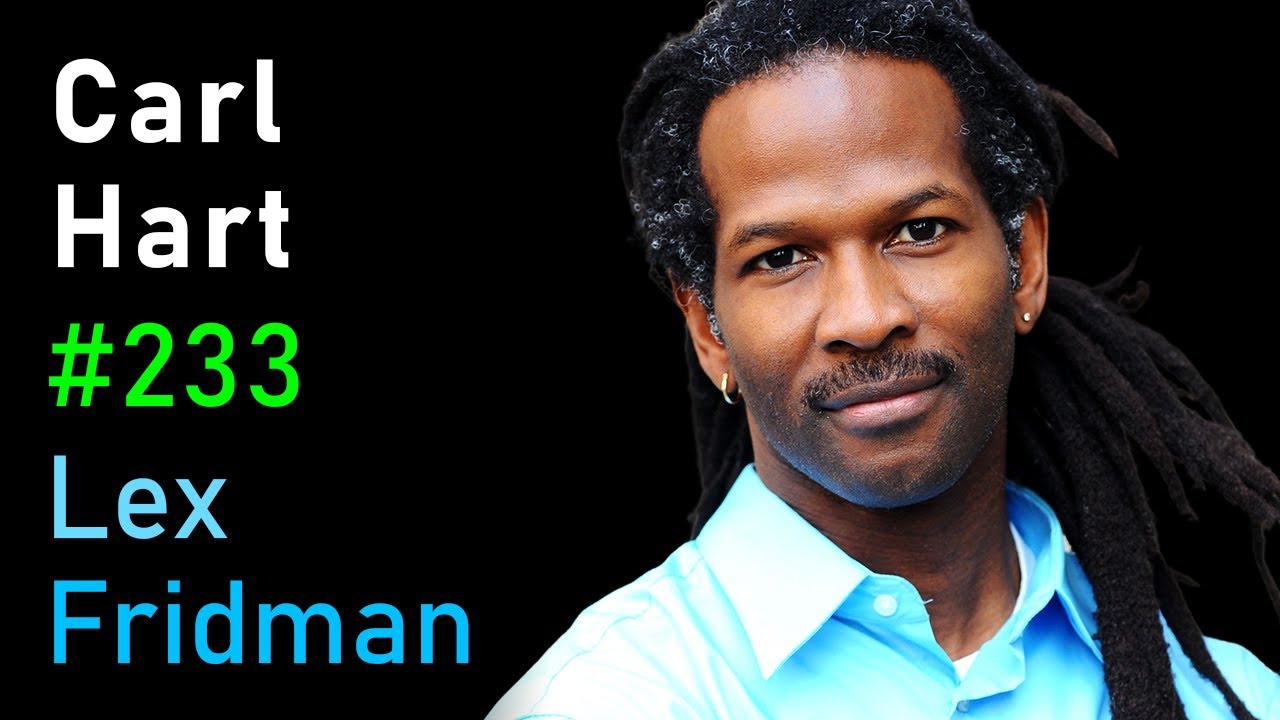
Key Insights
- Carl Hart argues that drug addiction is primarily linked to socioeconomic and psychiatric factors, not the drugs themselves.
- Hart advocates for the legalization and regulation of all drugs, asserting that responsible use is possible with proper education.
- Media narratives often exaggerate negative drug effects due to sensationalism, skewing public perception.
- Withdrawal symptoms vary significantly between substances; heroin withdrawal is unpleasant but not fatal, unlike alcohol.
- Psychedelics like psilocybin and ayahuasca can offer unique healing experiences not replicated by other drugs.
How the conversation moved
The episode opens with Carl Hart challenging the conventional narrative around drug addiction, suggesting that it is more closely linked to socioeconomic and psychiatric factors than to the drugs themselves. Hart argues for the legalization of all drugs, positing that responsible use is possible with proper education and regulation. This sets the stage for a broader discussion on how society perceives and manages drug use, with Hart advocating for a shift in policy and public perception.
Hart supports his argument by highlighting how media narratives often exaggerate the negative effects of drugs due to sensationalism, which skews public perception and influences policy. He points out that most drug users do not become addicted, suggesting that addiction is more about the individual's environment and mental health than the substance itself. Hart also notes that withdrawal symptoms vary significantly between substances, using alcohol and heroin as examples to illustrate the need for informed drug policy.
Despite the strong claims, Lex Fridman does not challenge Hart's framing directly, but the conversation naturally raises questions about the feasibility of widespread drug legalization and the societal readiness for such a shift. The lack of direct pushback allows Hart to further elaborate on the potential benefits of psychedelics like psilocybin and ayahuasca, which he claims offer unique healing experiences that could transform mental health treatment paradigms.
The conversation concludes with reflections on how cultural perceptions, particularly in media and hip hop, shape societal views on drugs and law enforcement. Hart critiques the glorification of law enforcement in hip hop as dangerous and discusses how his personal experiences with drugs have led to greater tolerance and understanding of others. The episode ends on an open note, with Hart advocating for a more nuanced understanding of drug use and its role in society.
Surprising moments
In-depth
Drug Addiction and Socioeconomic Factors
- Addiction is linked to psychiatric and socioeconomic factors, not just drug use.
- Legalizing drugs could allow for safer, responsible use.
Media Influence on Drug Perception
- Media sensationalizes negative drug effects, skewing public perception.
- This misrepresentation impacts drug policy and public fear.
Drug Regulation and Education
- Legal regulation of drugs could minimize harm.
- Education is crucial for responsible drug use, similar to alcohol.
Therapeutic Potential of Psychedelics
- Psychedelics offer unique healing experiences.
- These experiences could transform mental health treatments.
Notable Quotes
I discovered that the predominant effects produced by the drugs discussed in this book are positive.
Still open
- Hart questioned the societal readiness for widespread drug legalization and the necessary educational measures to ensure responsible use.