New Lex Fridman Insight: Cenk Uygur: Trump vs Harris, Progressive Politics, Communism & Capitalism
Sent May 30, 2026
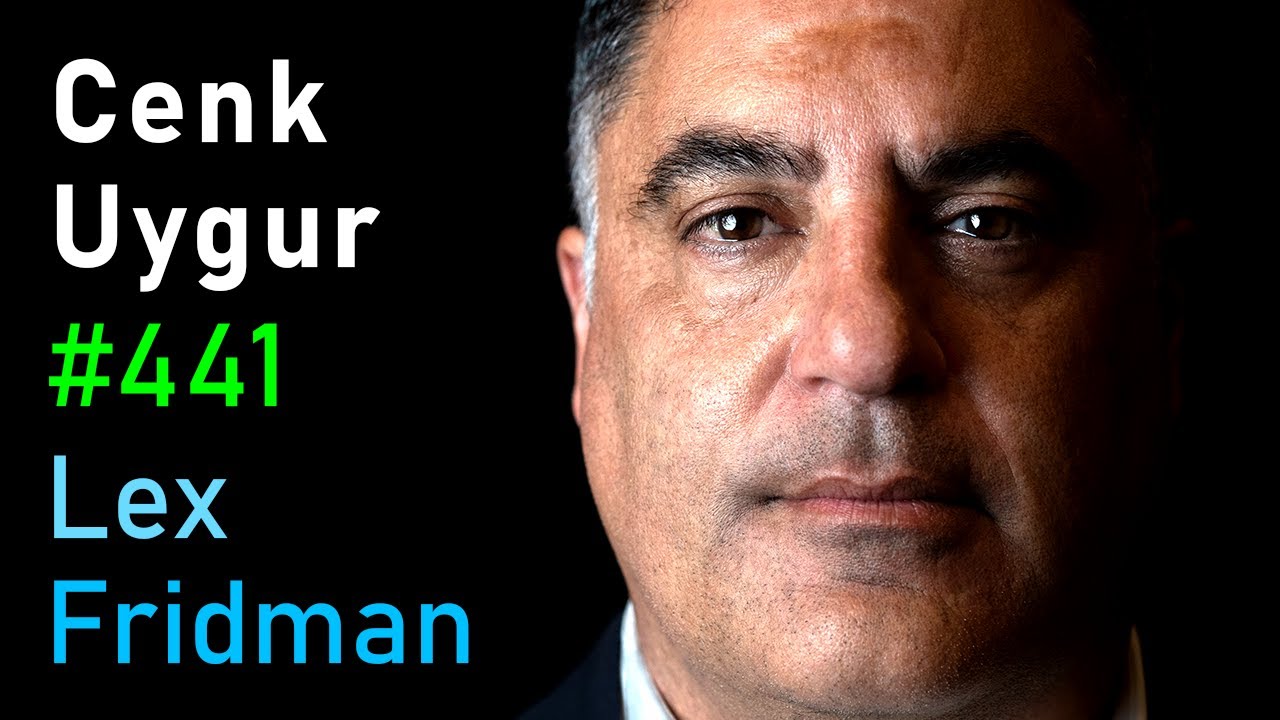
Key Insights
- Cenk Uygur argues that communism inevitably turns into dictatorship due to human nature and power vacuums.
- Corporatism, not capitalism, is the real enemy of competition, as it seeks monopoly power and stifles free markets.
- Uygur claims that 98% of politicians are influenced by corporatism, undermining democratic processes.
- He believes that Kamala Harris is a corporatist, not a communist, challenging common political labels.
- Uygur asserts that the corporate media is the most significant force in rigging elections through biased coverage.
How the conversation moved
Lex Fridman opens the conversation by framing the discussion around the dichotomy of communism and capitalism, asking Cenk Uygur to elaborate on his views. Uygur immediately critiques communism as inherently flawed due to its tendency to evolve into dictatorship, citing human nature and power vacuums as the primary reasons. He contrasts this with corporatism, which he argues seeks monopoly power, stifling competition unlike capitalism, which thrives on it. Uygur advocates for a balanced form of capitalism that promotes equality of opportunity, highlighting the carried interest loophole as an example of economic disparity that needs addressing.
Uygur's main argument centers on the corrupting influence of money in politics, claiming that 98% of politicians are corporatists, influenced by financial interests rather than voter needs. He discusses the role of the Supreme Court in legalizing corporate influence through decisions like Citizens United, which equate money with free speech. Uygur emphasizes the need for a constitutional amendment to end private financing of elections, proposing public financing as an alternative. He cites Wolf-PAC's efforts as a grassroots movement aimed at achieving this goal, underscoring the systemic nature of financial influence in politics.
Lex Fridman doesn't push back strongly against Uygur's claims about corporatism's pervasive influence, but he does express skepticism about the notion that all politicians are corrupt. Uygur counters this by asserting that the systemic nature of financial influence makes it difficult for politicians to act independently of their donors. Fridman also questions Uygur's labeling of Kamala Harris as a corporatist, prompting Uygur to clarify his stance that political labels often misrepresent actual positions, with Harris being more aligned with corporate interests than commonly perceived.
The conversation shifts to the role of media in shaping political outcomes, with Uygur arguing that corporate media is the most significant force in rigging elections through biased coverage. He claims that media narratives often prioritize corporate interests, influencing public perception and electoral outcomes. Uygur concludes by stressing the importance of independent media sources to provide objective information, advocating for a more informed electorate. The discussion leaves open the question of how to effectively combat media bias and ensure fair representation in politics.
Surprising moments
In-depth
Communism vs. Capitalism
- Communism evolves into dictatorship due to power vacuums.
- Corporatism seeks monopoly power, unlike capitalism which thrives on competition.
- Balanced capitalism is needed to ensure equality of opportunity.
Money and Politics
- 98% of politicians are influenced by corporate interests, undermining democracy.
- The Supreme Court's decisions have legalized corporate influence in politics.
- Wolf-PAC aims to end private financing of elections.
Political Labels and Misconceptions
- Kamala Harris is labeled as a corporatist, not a communist.
- Common political labels often misrepresent actual political positions.
Media Influence on Elections
- Corporate media is the most significant force in rigging elections.
- Media bias shapes public perception and electoral outcomes.
Notable Quotes
Communism makes no sense at all, totally opposed to human nature. It never works. It always evolves into dictatorship.
Still open
- Uygur questions whether a constitutional amendment to end private election financing is feasible given current political dynamics.
- Fridman wonders how media bias can be effectively countered to ensure fair representation in politics.