New Lex Fridman Insight: Chamath Palihapitiya: Money, Success, Startups, Energy, Poker & Happiness
Sent June 11, 2026
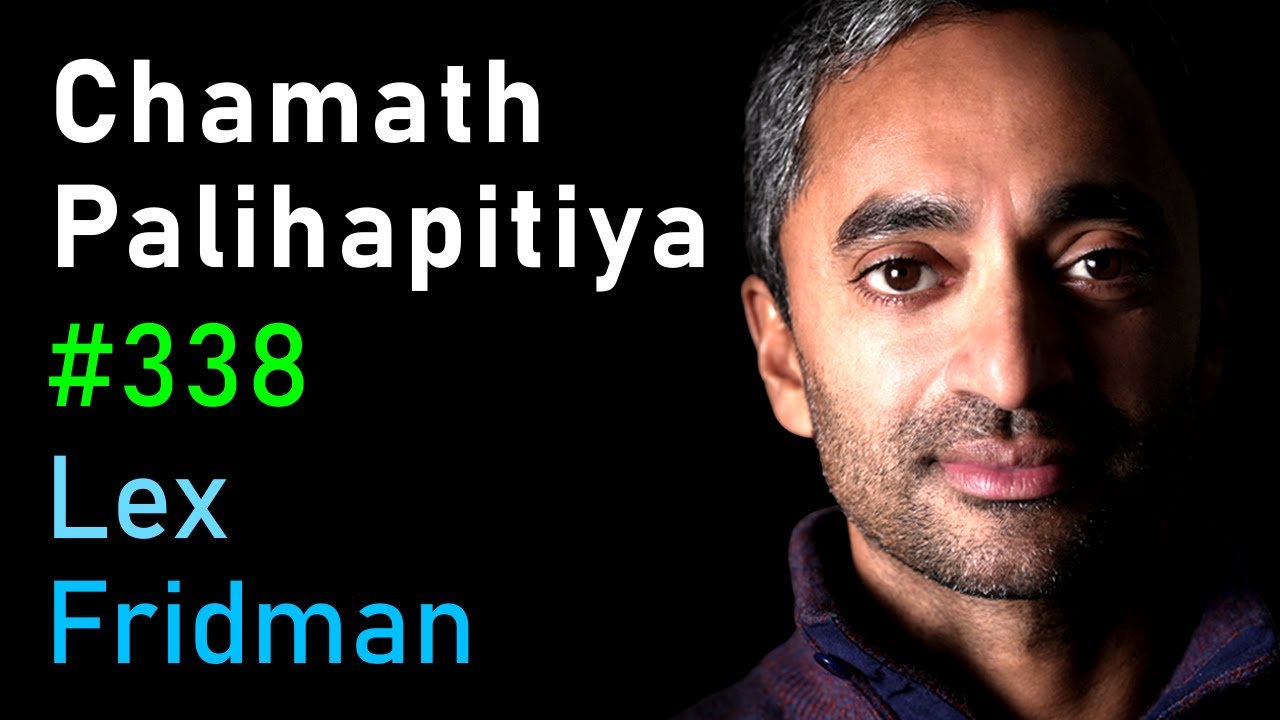
Key Insights
- Chamath Palihapitiya believes the link between money and happiness peaks at $50 million, beyond which happiness doesn't increase.
- Chamath argues that 'move fast and break things' is misunderstood as toxic, but it fosters rapid learning and innovation.
- The U.S. energy landscape could shift dramatically as 100 million homeowners become power producers with solar panels.
- Chamath suggests the world's first trillionaire will emerge from the energy transition sector, highlighting its massive potential.
- Jerome Powell's management of interest rates is crucial in preventing the U.S. from entering war, according to Chamath.
How the conversation moved
Lex Fridman opens the conversation with Chamath Palihapitiya by exploring the complex relationship between money and happiness. Chamath shares his perspective that happiness peaks at a certain wealth level, specifically around $50 million, beyond which additional wealth does not lead to increased happiness. This sets the stage for a broader discussion on how money influences personal satisfaction and societal dynamics.
Chamath argues that money, while not a direct source of happiness, provides a comfort level that allows individuals to focus on what truly makes them happy. He emphasizes that beyond a certain point, wealth does not equate to happiness, challenging the common belief that more money always leads to a better life. He supports this with references to studies and personal anecdotes about the amplification of personality traits through wealth.
Lex does not challenge Chamath's assertions directly, but the conversation naturally raises questions about the societal obsession with wealth accumulation. Chamath's views could be seen as contrarian to the typical Silicon Valley narrative, which often equates success with financial gain. The discussion also touches on the 'move fast and break things' philosophy, where Chamath defends it against its reputation as a toxic approach, arguing it fosters innovation and learning.
The conversation pivots to the future of energy and geopolitics, where Chamath predicts the emergence of trillionaires from the energy transition sector. He highlights the potential for homeowners to become energy producers with solar panels, disrupting traditional utility models. The discussion concludes with Chamath emphasizing the critical role of Jerome Powell in managing interest rates to prevent geopolitical conflicts, underscoring the interconnectedness of financial and geopolitical stability.
Surprising moments
In-depth
Money and Happiness
- The link between money and happiness peaks at $50 million.
- Beyond a certain wealth, happiness doesn't increase with more possessions.
- Money amplifies personality traits, revealing true character.
Innovation and Risk
- 'Move fast and break things' fosters rapid learning and innovation.
- This philosophy is misunderstood as purely toxic.
- Rapid experimentation can have societal impacts.
Energy and Geopolitics
- 100 million U.S. homeowners could become power producers with solar.
- The energy transition sector could create the first trillionaire.
- Interest rates are crucial in preventing U.S. involvement in war.
Notable Quotes
If you can step outside of that and you think about any child in the world, they don't deserve to go through that.
Still open
- Chamath questions whether financial forces alone can explain geopolitical stability, suggesting other factors are at play.