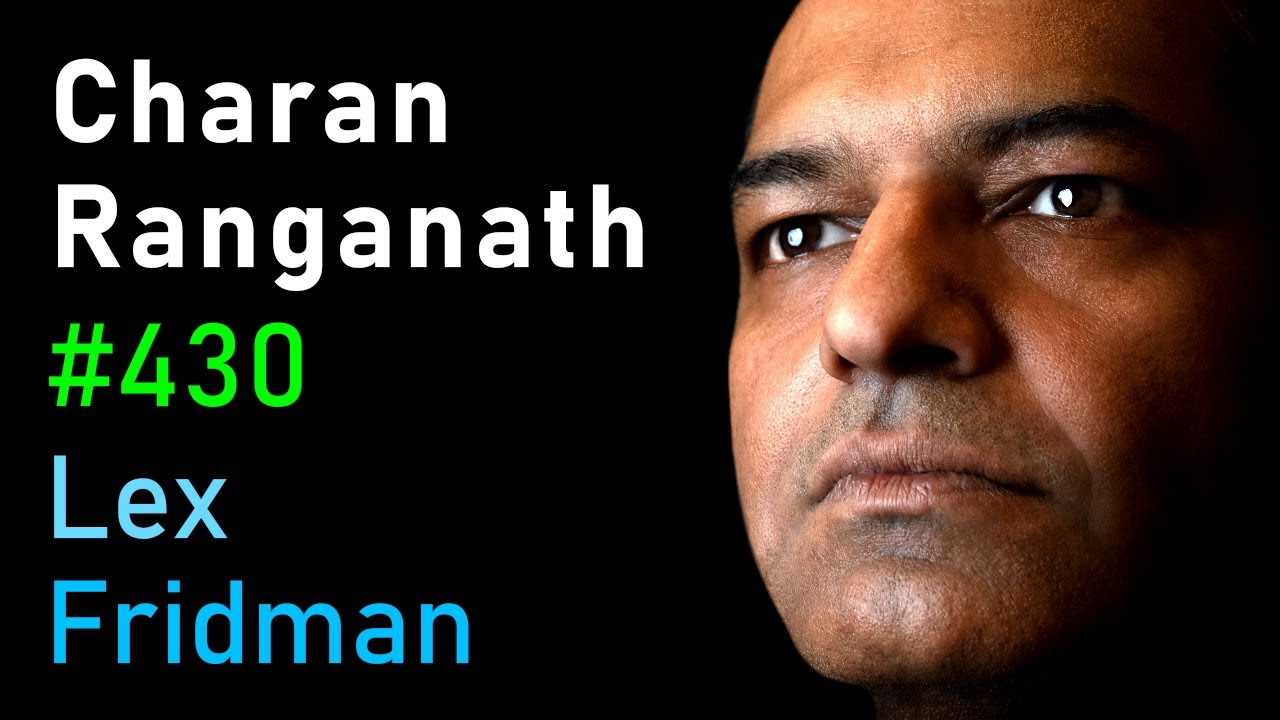
New Lex Fridman Insight: Charan Ranganath: Human Memory, Imagination, Deja Vu, and False Memories
Sent May 30, 2026
Key Insights
- Memory is not a static replay but an evolving narrative influenced by new information and biases.
- The hippocampus is crucial for episodic memory, and its development explains infantile amnesia.
- Deja vu occurs in 75% of people and can be artificially induced by stimulating the temporal lobes.
- False memories form when original memories mix with misinformation, leading to vivid but inaccurate recollections.
- Spaced repetition and the method of loci are effective strategies for improving memory retention.
How the conversation moved
The episode begins with Lex framing the conversation around the complexities of human memory and its impact on our perception of reality. Charan Ranganath introduces the concept of the experiencing self versus the remembering self, emphasizing that memory is not a static replay of events but an evolving narrative shaped by biases and new information. This frames memory as a dynamic process that influences personal identity and decision-making, rather than a mere record of the past.
Ranganath delves into the development of memory, explaining the role of the hippocampus in episodic memory and the phenomenon of infantile amnesia. He highlights how memory evolves across different life stages, with older adults transitioning from forming new episodic memories to passing on semantic memories. This discussion underscores the evolutionary significance of memory and its role in identity formation, particularly during adolescence.
Lex doesn't challenge Ranganath's assertions on memory development but brings up the potential for trauma in early memory formation. Ranganath counters by arguing that prediction errors, often perceived as negative, are actually positive learning opportunities. This pushback highlights differing perspectives on how early experiences shape memory, with Ranganath advocating for a more optimistic view of cognitive development.
The conversation shifts towards practical memory techniques, such as spaced repetition and the method of loci, which Ranganath recommends for improving retention. He also explores the interplay between memory and imagination, noting that the default mode network is active during both processes. This suggests a functional link between recalling past events and imagining future scenarios, leaving open questions about how these cognitive processes might be further leveraged for educational and therapeutic purposes.
Surprising moments
In-depth
Memory Development
- The hippocampus is essential for episodic memory, explaining infantile amnesia.
- Older adults transition to passing on semantic memories, a role seen in social animals.
Deja Vu and False Memories
- 75% of people experience deja vu, which can be induced by stimulating the temporal lobes.
- False memories arise from mixing original memories with misinformation.
Memory Techniques
- Spaced repetition improves long-term retention compared to cramming.
- The method of loci links information to spatial contexts for better recall.
Memory and Imagination
- The default mode network links memory recall and imagining future scenarios.
- Cognitive maps are a mix of verifiable details and inferences for navigation.
Notable Quotes
I like to say it’s like there’s no point in suffering unless you get a story out of it.
Still open
- Ranganath questions how the default mode network's role in both memory and imagination can be leveraged for educational purposes.
- Lex and Ranganath discuss whether AI can truly replicate human intelligence without making the same characteristic mistakes.
References & Resources
- Why We Remember. Unlocking Memory’s Power To Hold On To What Matters by Charan Ranganath — Search
- The Scientist in the Crib by Alison Gopnik — Search
- Peak Mind by Amishi Jha — Search
- The Collective Memory of the Vietnam War by Thanh Viet Nguyen — Search
- Misinformation and Memory by Elizabeth Loftus — Search