New Lex Fridman Insight: Chris Mason: Space Travel, Colonization, and Long-Term Survival in Space
Sent June 11, 2026
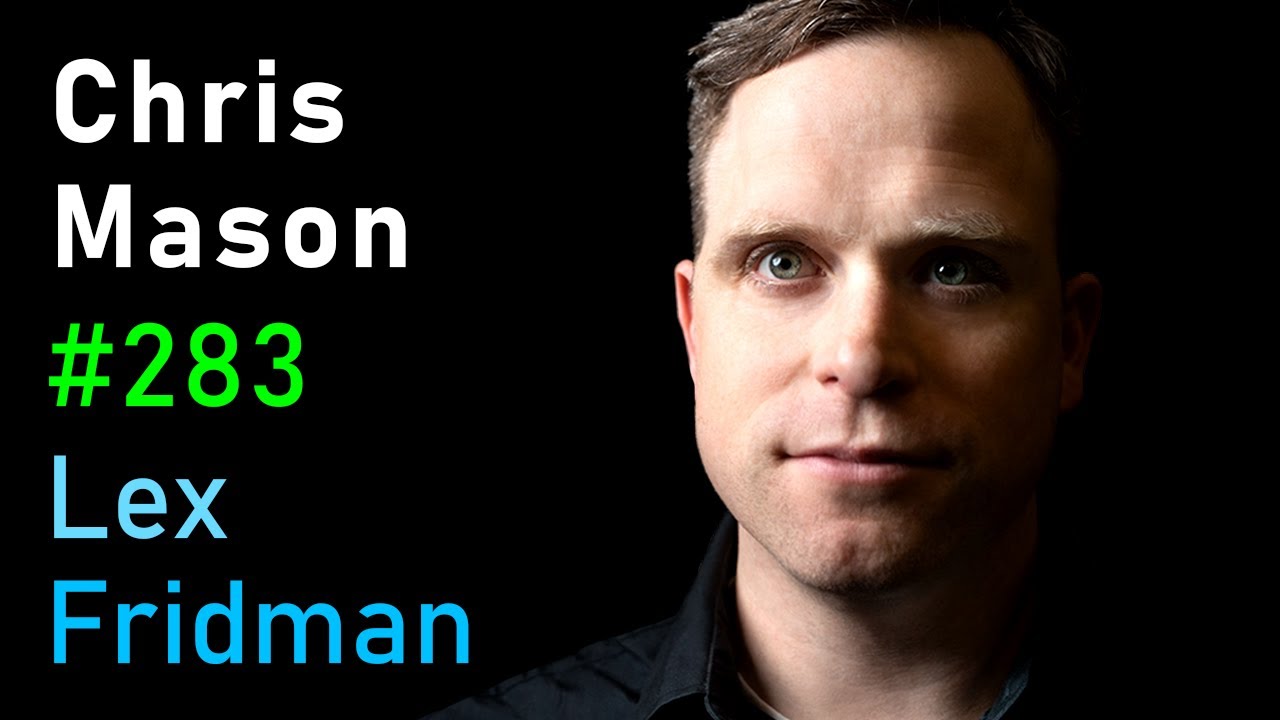
Key Insights
- Chris Mason argues humanity's awareness of extinction gives us a moral duty to preserve life across generations.
- Mason believes humanity has the best chance of long-term survival, potentially addressing cosmic challenges like the heat death of the universe.
- Mars is considered a viable option for colonization, with its gravity and potential habitats like lava tubes offering protection.
- The cost of space travel remains high, with Axiom's mission to the ISS costing approximately $55 million per trip.
- CRISPR technology is advancing towards modifying genes for health and survival in space, such as reactivating pseudogenes.
How the conversation moved
The host opened the conversation by framing the discussion around humanity's unique traits and responsibilities, particularly our awareness of extinction and the moral duty it imposes. Chris Mason emphasized that this awareness is a distinctly human trait, driving us to preserve life for future generations. He connected this to the broader theme of intergenerational responsibility, arguing that humanity is now better positioned than ever to consider long-term planning due to economic security and technological advancements.
Mason's main argument centered on humanity's potential for long-term survival and addressing cosmic challenges like the heat death of the universe. He presented the idea that humans might be among the first life forms in the universe, suggesting that the question should be when other life forms will arrive rather than where they are now. This perspective reframes the search for extraterrestrial life and positions humanity as a pioneer in the cosmos, with a unique opportunity to shape the future of life.
The conversation lacked explicit pushback from the host, though potential areas of tension could include the feasibility of Mason's claims about addressing the heat death of the universe and the practicality of Mars colonization. Lex Fridman did not challenge Mason's framing, but the absence of debate on these ambitious ideas leaves room for skepticism about humanity's capacity to tackle such monumental challenges. The discussion could have explored the logistical and ethical concerns associated with these proposals in more depth.
The conversation concluded with a focus on the practical steps toward space colonization and genetic advancements for survival. Mason highlighted Mars as a viable option for colonization, with its gravity and potential habitats like lava tubes offering protection. He also discussed the role of CRISPR technology in modifying genes for health and survival in space, suggesting that these advancements could enhance human resilience in extraterrestrial environments. The dialogue left open questions about the timeline and ethical implications of these developments.
Surprising moments
In-depth
Humanity's Responsibilities
- Awareness of extinction drives moral duty to preserve life.
- Humanity's unique traits position us to address cosmic challenges.
- Intergenerational responsibility is more feasible now due to economic security.
Space Colonization
- Mars offers viable colonization options with protective habitats.
- Cultural and social evolution expected among Mars settlers.
- China's Mars mission timeline could outpace NASA.
Space Travel Costs
- Axiom's mission costs highlight the financial barrier to space travel.
- Commercial space stations are emerging, increasing accessibility.
Genetic and Technological Advances
- CRISPR can modify genes for space survival.
- Potential to reactivate dormant genes for health benefits.
Notable Quotes
I think this is actually one of the most human-specific traits and features that we have.
Still open
- Mason proposed a deep genetic profile study of astronauts, but NASA's lack of samples and plans leaves this unresolved.
- The practicality and timeline for Mars colonization remain open, with significant challenges yet to be addressed.